• Home
  • Offerings
    • My Book
    • Magick Mail (It's Free!)
    • The Lunar Apothecary
    • The Tarot Apothecary
    • The Plant Ally Library
    • Solace: Herbs for Sensitive People
    • Begin With the Breath
    • The Green Bottle Method
    • Gatherings
    • Patreon
  • Blog
    • most recent
    • plant allies
    • astroherbology
    • moon studies
    • recipes + tutorials
    • magickal arts
    • tarot + divination
    • sliding scale
    • archive
    • search
  • About
  • FAQ
  • Search
  • More
    • Support the Work
    • Calls to Action + Resources
    • Recommended Reading
  • Home
  • Offerings
    • My Book
    • Magick Mail (It's Free!)
    • The Lunar Apothecary
    • The Tarot Apothecary
    • The Plant Ally Library
    • Solace: Herbs for Sensitive People
    • Begin With the Breath
    • The Green Bottle Method
    • Gatherings
    • Patreon
  • Blog
    • most recent
    • plant allies
    • astroherbology
    • moon studies
    • recipes + tutorials
    • magickal arts
    • tarot + divination
    • sliding scale
    • archive
    • search
  • About
  • FAQ
  • Search
  • More
    • Support the Work
    • Calls to Action + Resources
    • Recommended Reading

Worts & Cunning Apothecary | Intersectional Herbalism + Magickal Arts

Chosen Family: A Tarot Spread for Finding One Another
April 16, 2026  /  Alexis J. Cunningfolk

lgbt tarot

I spend a lot of time in my work exploring belonging: how we recognize it, embrace it, and making more space in our lives for feeling it with one another.

One of the ways of experiencing belonging - of having our belonging recognized as whole, holy, and inherent - is through our encounters with chosen family. When we're seeking out new relationships and trying out new patterns of how we relate to others, being able to get a sense of how that new style of relationship might feel in our bodies can be a helpful. One of my favorite tools for finding certain sorts of feelings in the body is the tarot.

The tarot is a multifaceted tool with plenty of historical paths to follow, magickal elements to study, and somatic experiences to explore. Made up of 78 cards that seek to both embody universal experiences yet be open-ended enough to be endlessly customizable to individual lives, the tarot can be utilized in our quest for deeper connection with people we already know and those that we've yet to meet.

Chosen family refers to people in your life that you're not related to biologically but who you have a deep, healthy familial relationship with built on mutual respect, kindness, love, and care. Sharing resources, looking out for one another, and affirming each other's dignity are all hallmarks of chosen family and are typically in response to not receiving this kind of care and consideration in your family of origin. However your chosen family comes together, participating in the act of making and being part of a chosen family is one of the ways we let ourselves be seen and held while learning to listen and perceive more deeply. For many, queerness and chosen family are woven together and from my own experience as a queer kid chosen family was a matter of survival and now, as a queer adult, chosen family remains a sanctuary. But anyone can experience chosen family and I've found it amongst my Pagan and Witch friends as well as in a variety of other identity-affirming groups.

Chosen family shows up all throughout the keystone tarot developed by A.E. Waite and Pamela Colman Smith not least because of Pamela Colman Smith's experiences with queer chosen family and, perhaps, A.E. Waite's experiences with the hermetic orders he belonged to.¹ For me, tarot has always been a tool of learning about and seeking connection not just with our inner worlds, but the people, places, and creatures of the world around us.

So let’s cast some cards and explore what sort of chosen family we’re seeking, the healing we’re looking for, and the hope of community that we’re cultivating.
chosen family tarot for finding community

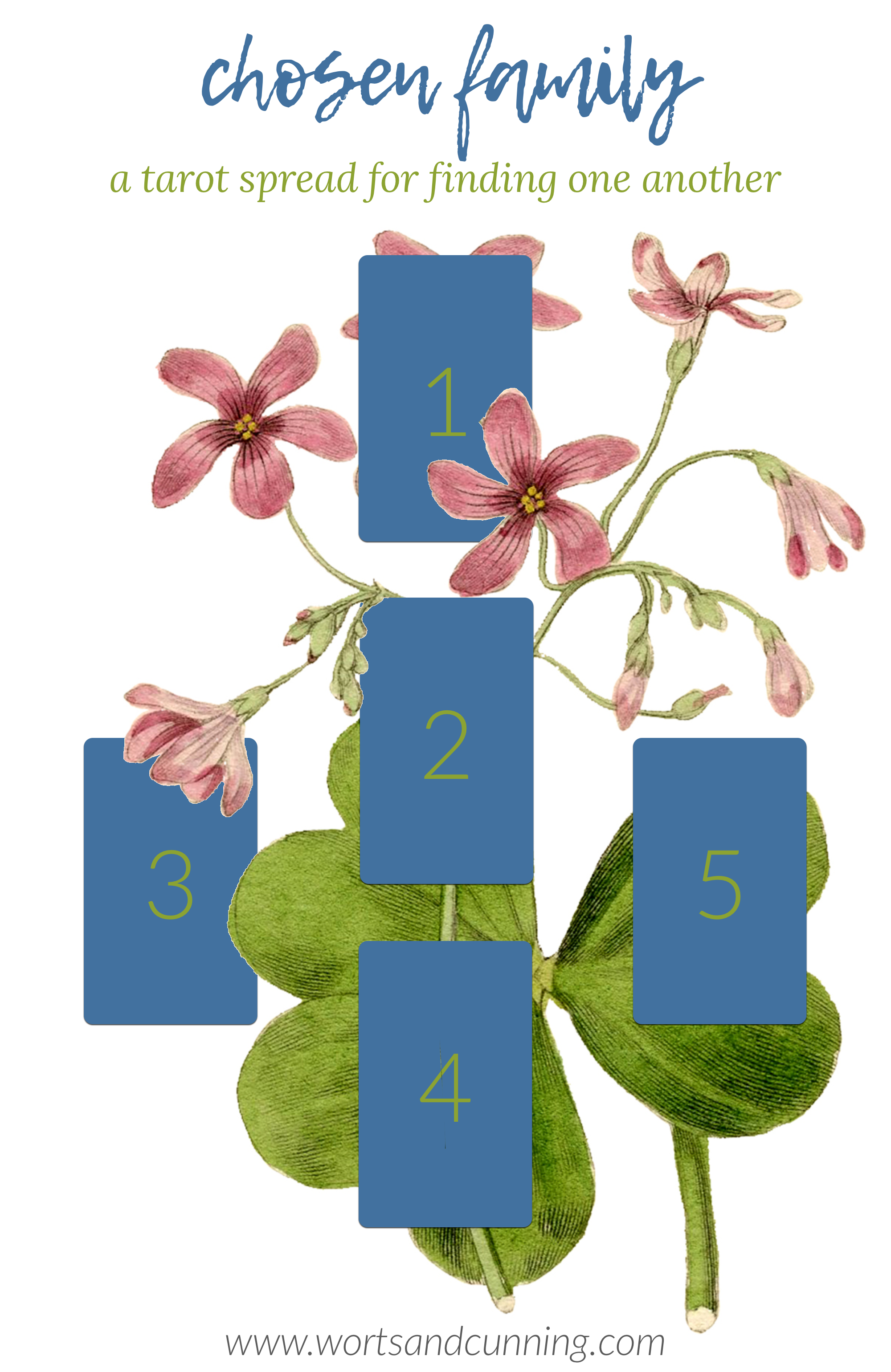
The Chosen Family Tarot Spread

The following tarot spread helps us to understand the feeling of chosen family we're seeking and the type of relationships that feel missing or underrepresented in our lives.

Just the act of identifying the types of relationships we're yearning for can be healing - we're letting ourselves hope for connections that we may not have experienced before or had little of. After identifying the chosen family we're seeking, this spread leads us through understanding why we're seeking that connection and then tapping into the collective energy of chosen family - that magickal web that helps us to find each other - to receive supportive guidance.

Doing this spread again and again through the years can help you develop a deck-within-a-deck of helpful figures that you can call upon when looking for specific insight on your healing journey - you’ll find more suggested practices like this below. I’ve also included three sample spreads to illustrate the ways that this spread can be approached.

Note: While I love a precocious beginner, I do think that this tarot spread works best for folks with a firm understanding of the tarot (or oracle deck you're using), it’s structure and meaning, and a strong working relationship with the cards. Because we are seeking a somatic experience, where we feel the kind of relationship we're looking for, having a connection with your deck of cards already, where you've previously had somatic experiences with them, will serve you well.  

✨ Card 1. Choosing Our Family

Begin by choosing a card (or two) to represent the sort of chosen family you're seeking. A card for this position might come to mind easily, but if you're having a harder time choosing, here are two suggestions. First, you can look through every card in your deck, asking yourself "Who’s the family I'm seeking?" and choosing a card that feels right. Second, is to spend time journaling and/or meditating on the chosen family you're seeking and then choosing a card. There is no right or wrong card and there is a lot of room for play when it comes to your choice. Here are some examples of reasons folks might choose certain cards:

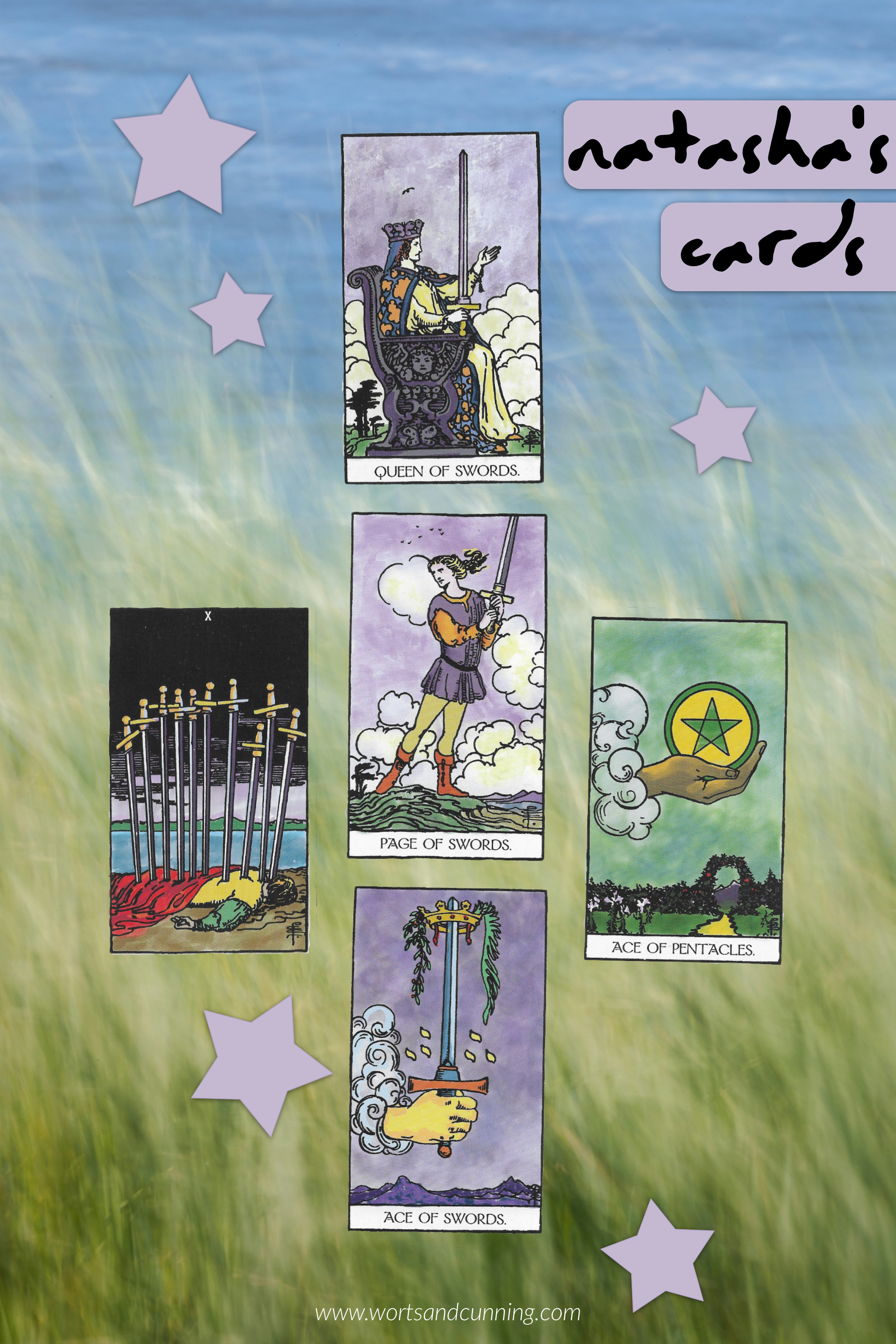
Natasha just wants someone to tell them how it is - gently but fiercely - and help them sort through the complicated dynamics with her biological family. She chooses the Queen of Swords as her first card.

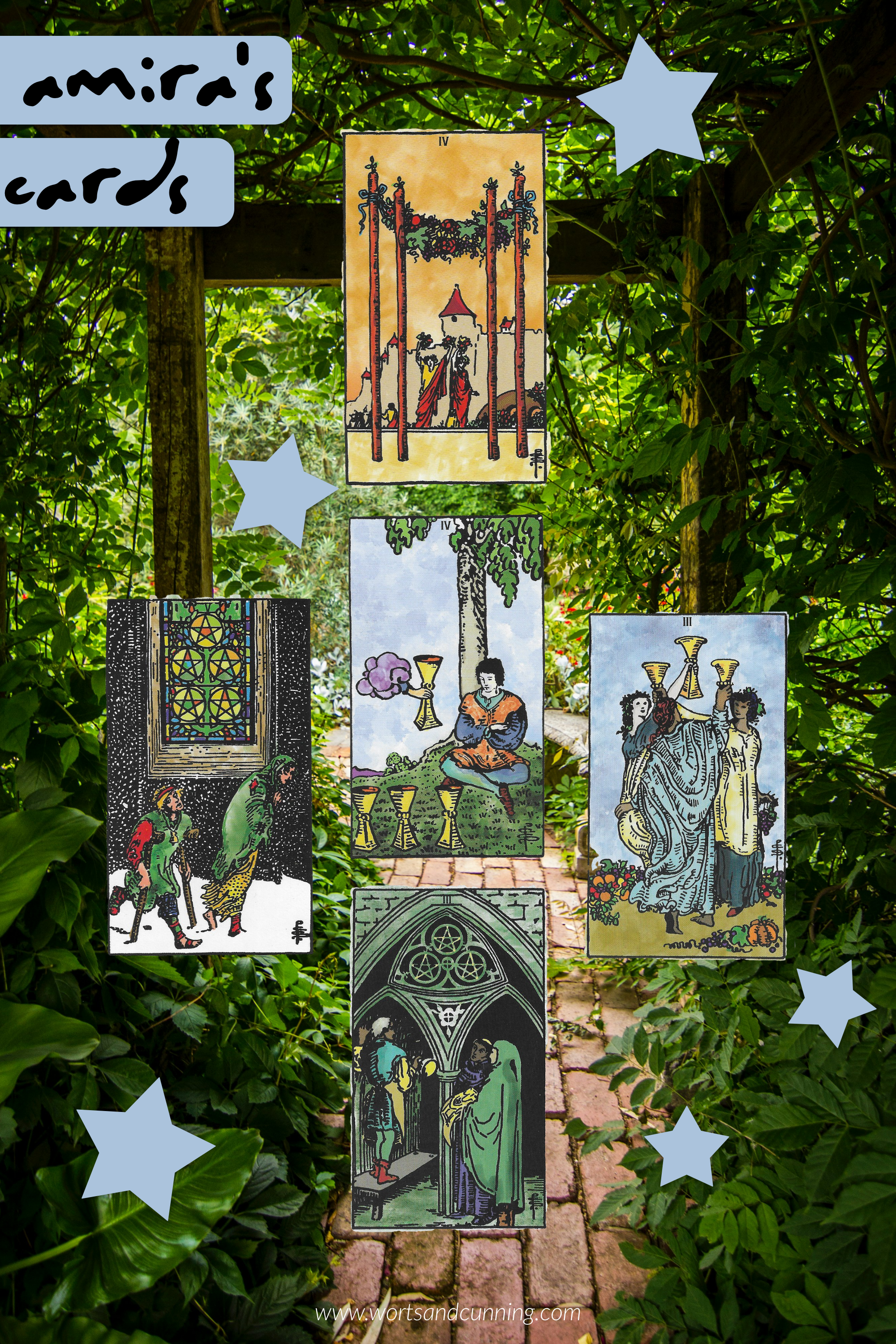
Amira wants to feel part of a friend group that values in-person get-togethers and supporting each other's creative pursuits. They choose the Four of Wands.

Leo really wants a friend who is as excited about going on hikes as they are for sitting around with tea talking about everything from a favorite band to their favorite megaliths. He chooses the Empress as his found family card. 
tarot for community

background image @iamthedave | tarot deck shown is the Weiser Tarot

✨ Card 2. Finding Our Healing 

The next cards will be chosen at random, using your preferred shuffling method. The second card represents the healing that we are seeking with the family we’ve chosen in card one. We seek our chosen family to get a need met that we're not experiencing with our family of origin - this card helps us to name that need more clearly. Continuing from our examples above:

Natasha pulls the Page of Swords which speaks to her younger self's confusion within her family of origin who relied on unspoken rules and sharp criticism in place of open communication. The Page of swords represents the part of Natasha that craves clear communication in relationships and wants to trust that people can be open and honest in their communication style.

Amira pulls the Four of Cups and recognizes the ways that they felt bored and out-of-step with her family whose older siblings and parents didn't show curiosity around any of Amira's interests that didn't align with their own. It led to a pattern of Amira believing that they aren’t interesting enough to be part of anyone's friend group. 

Leo pulls the Five of Wands and laughs. His family was constantly in a state-of-disarray, especially when it came to doing anything outside of their normal routine. It made the idea of going out and doing things feel stressful not because of the stress of the unknown, but knowing that arguments and hurt feelings would be inevitable. 
background image via @tcooper86 | tarot deck shown is the weiser tarot

✨ Cards 3 - 6. Embracing Our Connection

The last three cards, pulled at random using your preferred shuffling method, represents a message of clarity from your chosen family card to help you embrace your instinct and desire for connection with people out in the world. These cards might point to next steps to take, new ways of thinking to consider, and other healthy actions to take in your life to make finding and embracing chosen family that much easier. Here's a brief rundown on the cards our example readers have pulled:

Natasha pulls the 10 of Swords, the Ace of Swords, and the Ace of Pentacles. She interprets this as the Queen of Swords saying that her family's approach to communication was almost comically useless but led to a real deprivation of language which carries a deep wound in Natasha's heart. It also shows how Natasha struggles to explain this pain to others, feeling overwhelmed by the task, but the Queen of Swords points out that there is hope on the horizon with the sunrise and Natasha's quest to learn beyond the limitations of her family of origin. The Ace of Sword points Natasha to continuing to strengthen her communication skills, to speak clearly of what she wants. "Let them know what you want! Ask for what you need! Say no! Say yes! Embrace that voice of yours!," the Queen of Swords speaks. The Ace of Pentacle encourages Natasha to seek out that feeling of being held in a relationship, being cared for, and having communication not just be about talking but feeling heard. 

Amira pulls the Five of Pentacles, the Three of Pentacles, and the Three of Cups. The Five of Pentacles points to that deep fear that Amira will always be on the outside, begging for social scraps. The interesting thing about the Five of Pentacles is that there are two folks in the card, reminding Amira that they're not alone in their fear and there are a lot more folks like them than not. The Three of Pentacles encourages Amira to show off their interests more, not less, and to embrace the perspective that there is enough interest to go around - that Amira doesn't have to live in a place of feeling like there is scarcity when it comes to connection. The final card is like a zoom-in on the Four of Pentacles and carries a lot of hope and encouragement - "We're here waiting for you, Amira! We can't wait to finally meet you!" 

Leo pulls the Eight of Wands, the Queen of Pentacles, and the Ten of Cups. The Empress points to the Eight of Pentacles and Leo's constant vigilance to conflict in his relationships and his need to guard against them. "What if you practiced laying that wand down, sneaking through the gap in the fence, and letting yourself visualize peaceful encounters more than strained ones?," the Empress suggests. The Queen of Pentacles points to practices that Leo might consider adopting including restorative stillness and the joy of being in a place rather than worrying about getting there. Finally, the Ten of Pentacles points to not only the hope and real future of chosen family awaiting Leo, but that he should seek out examples of how a healthy family acts in order to be able to spot it more readily in his current and future relationships. 
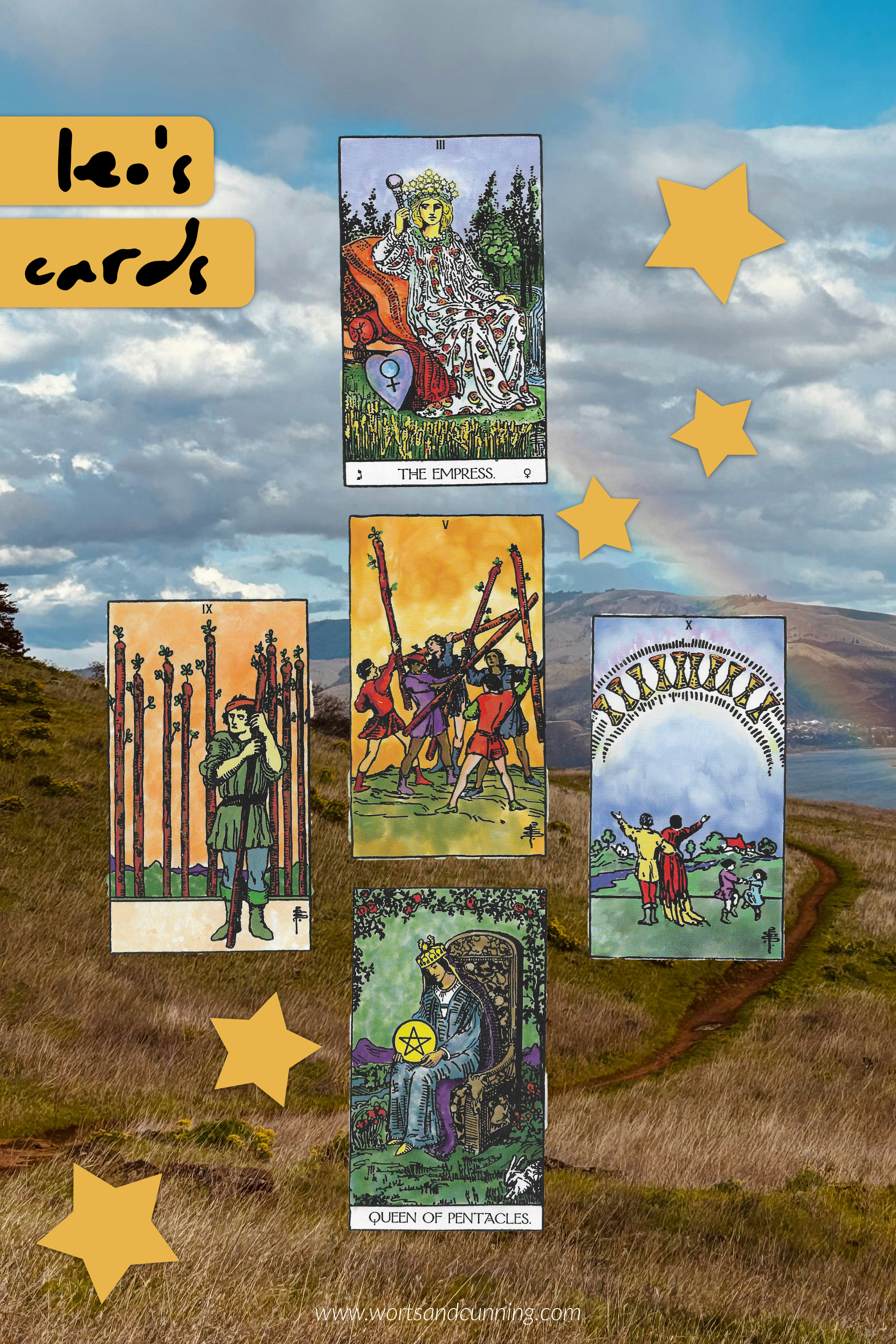
chosen family tarot

background image via @lkmatt | tarot deck shown is The Weiser Tarot

Future Practices

As mentioned at the top, working with a spread like this more than once helps us to develop our own deck-within-a-deck of useful allies - the spirits of our chosen family - to call upon when we need clarification. Natasha's Queen of Swords becomes a source of plain-speaking with things feel confused in her relationships. Amira's Four of Wands is a reminder of the vast possibility for community, illuminating all the pathways to get there. And Leo's Empress is a source of calm and reassurance, pointing out helpful ways for Leo to ground, center, and put everything going on around him into perspective. If you have a chosen family card that you want to work with you can always pull it out to do the Chosen Family spread again, but you can also pay close attention to whenever that particular card is showing up in another spread. You can also do a quick reading with any of your chosen family cards by looking for the card in your deck and reading the card before and after it as a message from them.

And if you're the altar-making type or love to cast a spell, cards from this spread easily lend themselves to an altar or spell calling in chosen family. It can be easier to follow up these type of self-reflective tarot spreads with actions when you have a sense of what these new types of relationships might feel like in your life, because feeling something can make it all the more real. So cast your cards, but also go to that game night that you've been planning on. Magick and real-world action go hand-in-hand!

✨

I hope you enjoyed the Chosen Family Tarot Spread and are feeling inspired by the ways we can approach tarot not only as a tool of self-reflective, but as impetus for connection.

If you’re looking for more tarot spreads, be sure to check out my tarot archive. There is over a decade of tarot spreads and tutorials for you to enjoy! And, if you interested in exploring the intersections between healing and belonging, come this way.

Finally, friends, I hope that your life is rich with people that love and support you and that you are able to be the chosen family to others in a big-hearted way. And if you’re feeling lonely right now, I hope that loneliness dissipates with the arrival of chosen family at the crossroads of wherever it is you are.

This post was made possible through patron support.
❤︎ Thanks, friends. ❤︎

📚

Footnotes

The tarot deck shown is the Weiser Tarot.

1. Though orders like the Hermetic Order of the Golden Dawn seemed more an intense interpersonal drama than a healthy chosen family. There were so many big personalities and feelings - intermixed with all the effort for costumes and rituals and arguing about secret texts - and including some truly incredible scam artists hanging out around the edges. But this also might just be a description of much of western esoteric tradition…

 

We respect your privacy.

Thank you for signing up for Magick Mail! Once you have confirmed your subscription to the list you will gain access to our member's only apothecary.

0 Likes
categories / tarot + divination
tags / tarot spread for connection, tarot, the weiser tarot, tarot for belonging, tarot spread, lgbt tarot

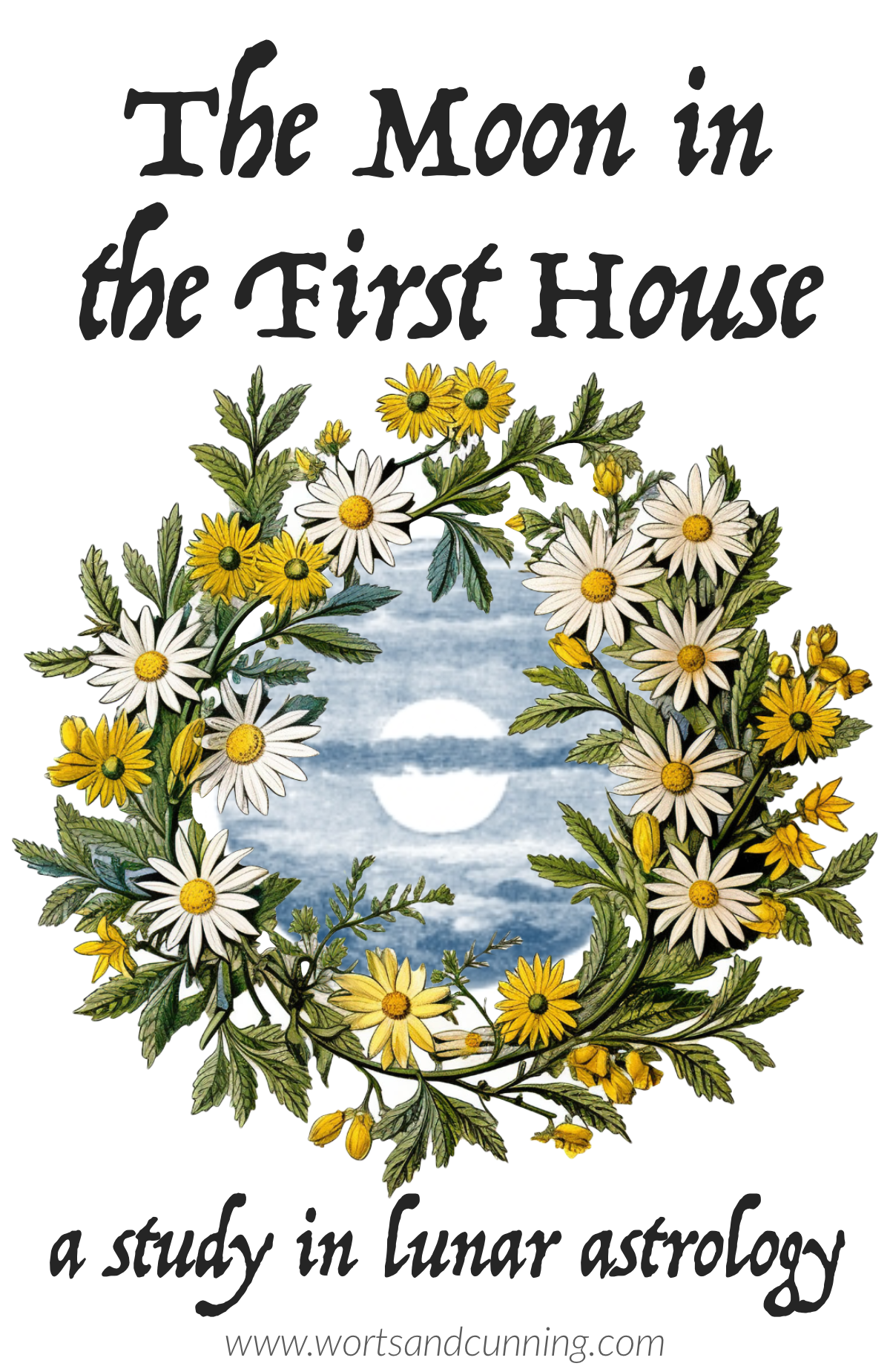
The Moon in the First House: A Study in Lunar Astrology

March 31, 2026  /  Alexis J. Cunningfolk

the moon in the first house

Each month, the Moon journeys through the Twelve Houses of our birth chart - the mountain vistas and drylands, the caverns and ravines, the meadows and shorelines, the ancient woodlands and jungle terrain - illuminating the hidden currents that flow through each one.

Continuing our series on lunar astrology, I wanted to share with you the guide I wrote about the Moon visiting the First House. This is part of a year long series exploring the Moon in each of the Twelve Houses of the birth chart that students of The Lunar Apothecary and my patrons have access to. My hope with series like these is to not only provide practitioners with additional storytelling tools for their practice, but make astrology feel like an accessible form of reflection and connection.

If you haven’t already, be sure to read my guide to the Moon in the Houses to better understand what I’ll be sharing about the First House. But, briefly, rather than focusing on the Natal Moon (e.g. the place where the Moon was located at the time of your birth), we’re exploring the transiting or visiting Moon. If the Full Moon is in Virgo, for example, the Moon in the Houses guide is meant to help you understand what energies the Full Moon in Virgo will be stirring up in your birth chart (or the birth charts of the clients you work with).

I’ll be sharing the guide to the First House, but if you’d like access to the full series please check out The Lunar Apothecary or consider becoming a patron. Not only will you get access to a ton of exclusive resources, but you’ll be supporting my ability to offer the majority of what I do for free or at a low-cost.

The First House is a place of important storytelling in astrology - it sets the stage for the rest of the birth chart, containing not only the Ascendent or Rising Sign, but acting like a compass for the rest of the energies we find in all the other Houses. A lunar visitor to our First House (which will happen at various times throughout the year whenever the Moon is in the sign of our Ascendant) can illuminate our depths in ways that can help us understand the wisdom of our feeling-body and the waters of our intuitive pattern-sensing self. It’s a great place to start our journey, so let’s begin!

the moon in the first house astrology

image via @sonance

The First House

Key Concepts: You, individual identity, self-expression, inherent vitality, health constitution, and physical form. Who am I and what am I feeling? 

Guardian Sign & Element: Aries & Fire

House Type: Angular

Lunar Phrase: I am feeling…

Lunar Focus: The Moon focuses on or reveals how we intuit information as well as how we express what we feel (or want to feel) through our physical appearance throughout different areas in our life.

Healing Opportunities: Re-examining how we want to be perceived in the world versus our own perceptions of ourself. Calling home all parts of ourselves back to our bodies. Ritual styles that speak to our unique sense of self. Reconnecting with a sense of wonder and possibility for life. Gathering up energy to start a new project that is meaningful to who we are and want to be. Releasing outmoded ways of being that no longer align with who we currently are. Sacred body blessings of all kinds. Naming and renaming ceremonies.

Inner Landscape: The place where you feel most free to be able to express yourself wholly and completely, without reservation or fear, but with ease and encouragement.

☽〇☾

Note: Your Rising Sign or Ascendant will always be in your First House. While the Ascendant, the sign which shapes our perception of the world and how we want to be perceived, is not the focus of this profile, it is inherently tied up with the energy of the First House and is worth exploring further.

It is from the First House that we look out across our birth chart. While we'll find ourselves engaged with the energy of other Houses throughout our life, it is from the First House that we first woke up at the dawn of our life. Representing our self and the perspective from which we view our life and experiences, the First House is where we are able to gain the widest vision of our inner world. In other words, the First House is our most comfortable vantage point at which to view the rest of our life.

We get to know ourselves in all areas of our chart, but it is in the First House that we come to know what it is we inherited (from our inherent vitality, physical features, and genetic disposition) as well as how we choose to adorn and express ourselves. These choices shift throughout our life as they're are based partly on what we've chose to leave behind or carry forward from what we've inherited biologically, emotionally, culturally and spiritually as well as from our ongoing lived experiences. Through the First House we understand ourselves as individuals within the collective from our families, relationships of all kinds including with place and beyond-human kin. While other parts of the birth chart can feel like places we visit or where we are visited upon, the First House carries the energy of the self, where we are at, and the place from which we perceive everything happening in our life. For that reason, planets that show up in the First House feel more tied to our sense of self than when they appear in other parts of the chart. If we were to imagine that every planet (or celestial body like an asteroid) in our birth chart has an audible tone, the ones that are in the First House are the tones we hear the clearest and most consistently.

The Moon in the First House illuminates the deep, true-to-us stories and beliefs that we carry within, share with few people, but that shape our instinctual reactions and the intuitive impulses, both internal and external, to the world around us. Lunar illumination in our First House helps to draw these stories out from deep within us so that they can dance closer to our skin, letting us see how these stories find resonance or dissonance with our current self-expression. The Moon draws close and asks us to consider the shape of our individual spirit and what that spirit is feeling in our current life. What are the stories we are relying on to perceive ourselves and what we want others to perceive about us? If the First House represents us awakening to the world and then making choices in how we want to participate in it, the Moon asks us to check in with what feelings are behind our choices and initiatives.

The Moon in the First House helps us explore the tension between our private self and our public self, including our private self that feels called to the path of the herbalist or healer and the public self who is that herbalist or healer in the world. As we work as herbalists, it's important to know where our edges begin and end as we work with clients so that our story doesn't get muddled up in their needs. There is an inherent and ongoing exploration of personal boundaries within the First House as we examine what parts of the world outside of us we invite in, what we keep out, and what we are reconsidering. The return of the Moon to the First House, especially when in the Full Moon phase, is like sitting down with a precious and beloved companion - It's you! I see all of you! How beautiful you are! 

If we are struggling with our sense of self and self-expression, the appearance of the Moon in the First House can be a helpful spotlight directing us towards the stories that carry the hope of liberation for us. Working with the New Moon or Dark Moon in our First House can help to clear out the old myths and welcome in more empowering tales of wonder. 

🌙
Lunar Affirmations of the First House

🌕 The Full Moon: I energize the fullest expression of my self so it may flow unhindered throughout my life.

🌒 The New Moon: I clear the path around me and make space for my self-expression.

🌑 The Dark Moon: I let go of self-censorship and old stories, embracing the wisdom of discernment.

🌙
Sacred Inquiry for the First House

  • I most easily express myself when I feel ___________.

  • My intuition is strengthened through ___________.

  • I express my Moon through my physical experience by ___________.

🌙
Lunar Rituals of the First House

Think about your favorite types of rituals, the loveliest experiences where you feel most in tune with who you are and your magick - these are the rituals of the First House. There is value in putting in the effort to invite all parts of yourself to a First House ritual, whether that is getting dressed up, doing a more complex spiritual cleansing practice beforehand, playing your favorite album at top volume while working candle magick, etc. Whatever your ritual might be, let it be you. 

  • Body blessings to help you embrace healing self-expression

  • Rituals working with your ascendant energy

  • Wayfinding rituals to help you return to your self

  • Uncrossing rituals to help remove obstacles that hinder your self-expression

  • Energy hygiene rituals to support your work as a practicing herbalist

  • Soul calling and retrieving rituals

  • Rituals to call in newness

  • Celebratory rituals honoring changes and transitions

🌙
First House Remedies

  • Ascendant/Rising Sign supporting blends including teas, flower essences, and baths

  • Aries remedies of all kinds, including remedies for head, face, eyes, hair, blood, and brain

  • Elemental fire remedies of all kinds

  • Body & hair oils

  • Facial toners

  • Perfumes and remedies that have strong scents aligned to your preferences

  • Herbal remedies that support strong personal boundaries

  • Daily blends aligned to supporting your unique energetic needs to achieve a sense of ease and balance (e.g. daily tonics that are energizing versus relaxing)

  • Plant allies that support sense of self, gifts of discernment, and self-expression 

🌙

What astrological myths are you most drawn to?

When we approach astrology as storytelling and mnemonic device that connects us to our herbal ancestors while contributing to the ever-expanding present, it can be such an interesting and healing tool to work with. While I choose to focus on the lunar aspects of astrology, especially as tied to herbal practice, astrology is a vast library of myth and to draw upon and I hope you’re feeling inspired.

If you’d like to explore the other Houses of the birth chart, you can find the complete series in The Lunar Apothecary as well as in my patreon community. And for other lunar-focused resources, check out my Moon Studies archive or my Astroherbology archive for a broader astrological focus.

Until we meet again, whether under the light of the Full Moon or the sliver of silver at the New Moon, I hope all your lunar journeys are revealing, full of magick, and thick with myth.

This post was made possible through patron support.
❤︎ Thanks, friends. ❤︎


We respect your privacy.

Thank you for signing up for Magick Mail! Once you have confirmed your subscription to the list you will gain access to our member's only apothecary.

1 Likes
categories / astroherbology
tags / lunar astrology, the lunar apothecary, the moon in astrology, lunar herbalism, the first house, astrology, the astrological apothecary

The Waking Earth: Herbs for Allergy Season

March 13, 2026  /  Alexis J. Cunningfolk

Let's explore plant allies for allergy season!

There are many herbs that can help alleviate allergy symptoms brought on by seasonal changes and the pollen from plants that are abundant during the warming and warmer parts of the year. Herbal remedies can offer a non-drowsy, whole body approach to allergy season that help us navigate this time of the year with greater ease.

The most effective herbal protocols for seasonal allergies, in my experience, is one that aligns with the seasons, where remedies and practices build upon themselves to help the body¹ pull on the nourishment of the past seasons to move through the present one with greater ease. In other words, herbal remedies for allergies are most effective when used in conjunction with other simple practices (some of which are listed below) rather than used exclusively on their own.

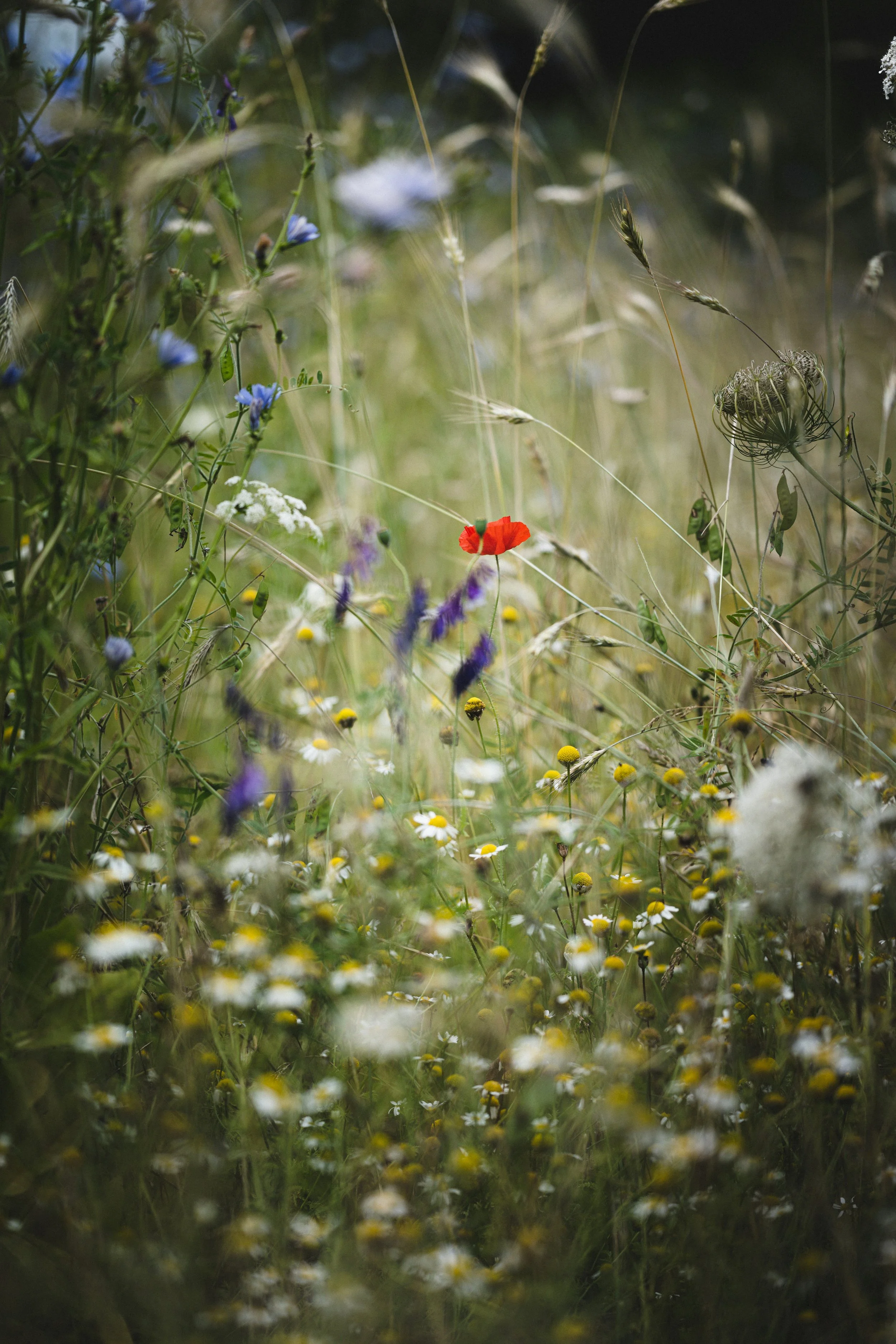
herbs for allergies

image via @anniespratt

Laying the Foundation

For allergy relief, it's best to start preparing in the weeks before allergy season starts. We begin with lymphatics (e.g. lymphatic system tonics), add in nervines (e.g. nervous system tonics), and start incorporating general and symptom-specific antihistamines.

Lymph tonics start showing up in the land around us during late winter and early spring. All those wild and weedy plants that pop up at the end of winter and beginning of spring, such as Dandelions (Taraxacum officinale) and Cleavers (Galium aparine), are a great way to start incorporating lymph system tonics into your daily tea blends. Overall, we're wanting to add herbs that are gently energizing and tonifying to the body including lymph system tonics, blood building herbs (which is an old herbal way of describing plants which help with building up vitality, including preventing anemia, as well as broader neurological diseases and early concepts of mental health conditions), and herbs that help get our energy moving after the slowness of winter. 

I also recommend that folks work with 1 to 2 nervines (Melissa officinalis and Avena sativa are two of my favorites) as well as a general antihistamine herb like Nettles (Urtica dioica) or Butterburr (Petasites hybridus) that can be taken daily two or three weeks before the arrival of allergy season.

herbs for hay fever

image via @amylynngrover

Plant Allies for Allergy Season

Once allergy season has arrived, you can start incorporating more symptom-specific herbs. I've listed some of my favorite plant allies for allergy season below, many of which are recommendations from my book The Apothecary of Belonging: Seasonal Rituals & Practical Herbalism.

In addition to exploring the herbs below, when you can try to incorporate herbs that are local to the land you live with - local plants can sometimes help us adjust to our local environment more effectively.

🌿 Nettles (Urtica dioica): A nutritionally dense plant ally, Nettles is a great herb to work with in strengthening and nourishing our body. Indications include general seasonal allergies, fatigue, and adrenal stress. Nettles has antihistamine qualities and is traditionally described as an herb that helps to "build the blood" which not only speaks to the herb's iron content, but Nettle's overall nutritive and energizing healing qualities.

🌿 Goldenrod (Solidago spp.): Goldenrod is a great choice of antihistamine when allergies manifest as sinusitis, respiratory inflammation, and excess mucus. Further indications include asthma, stagnant digestion, adrenal fatigue, sore throat, eczema irritated by allergies (it makes a great salve for rashes), and asthma.

🌿 Lemon Balm (Melissa officinalis): A good tonic herb, Lemon Balm helps to protect against overwhelm, whether that's feeling overwhelmed by change, social situations, the effects of allergies or whatever else is looming large in your life. Indications include itchy eyes and skin (use both internally and externally as a skin wash or steam), hay fever, and sinus headaches.

🌿 Peppermint (Mentha piperita): If you're feeling particularly sluggish this spring, turn to Peppermint to help sweep away the remaining drowsiness of winter so you can connect with the energy of the new season. The anti-inflammatory qualities of Peppermint help us to breathe deeper, reduce the allergy-induced brain fog, and alleviate any allergy related pain due to inflammation.

🌿 Dandelion (Taraxacum officinale): The arrival of Dandelion on the land I live with is a time of celebration! Dandelion remedies made during the spring carries the energy of the season throughout the year. A wonderful general ally for allergies, Dandelion helps to reduce sinus inflammation and expel excess mucus (along with the allergens it carries). Additional indications include neck pain, low-grade spring fevers or feeling overheated, and conditions that improve with movement (including receiving bodywork) and worsen when trying to be still.

🌿 Yarrow (Alchemilla millefolium): While you can use Yarrow as a tea, tincture or capsule, the flowers and leaves are one of my favorite topical treatments as a steam for allergy relief, helping to alleviate allergy related headaches, asthma, and congestion. I also love Yarrow in an herbal shower rinse or bath. Indications include water retention, poor circulation, low energy, red splotchiness of the skin, conditions that worsen in air conditioned environments, and exposure to environmental pollutants (including wildfire smoke).

🌿 Butterbur (Petasites hybridus): A lovely antihistamine, Butterburr works best when you start to take it a few weeks before allergy season arrives. Indications include asthma, hay fever, allergy-induced headaches, and skin conditions brought on or aggravated by allergies.

🌿 Mullein (Verbascum thapsus): If you've had a long season of being sick this past winter, Mullein can be a great ally, especially if there is a lingering cough. I like combining Mullein with Elder (Sambucus nigra) and Peppermint (Mentha piperita) for a lung-opening, immunomodulating blend. A helpful ally for those whose asthma is irritated by the increase in heat and allergens that spring brings. Indications include dry and spasmodic coughs, general lung weakness, and hoarseness.

🌿 Wild Cherry (Prunus serotina, avium): Wild Cherry can help to sedate hacking, repetitive coughs and can be especially useful in the evenings when you are trying to relax. Indications include a sharp, hacking cough, indigestion, and sore throats. 

🌿 Passionflower (Passiflora incarnata): Sometimes a gently sedating herb is what is needed in the evenings when allergy symptoms are making it hard to settle down and rest. A little goes a long way with Passionflower, but in addition to sedation, the herb also has anti-inflammatory and pain-alleviating qualities. Indications include insomnia, spasmodic coughs, and busy, chattering thoughts.

herbs allergy season herbal

image via @anniespratt

A Full & Supported Practice

Once you've got your nervine and your allergy-specific plant ally, you can begin to add in other herbs to help to reduce symptoms, strengthen body systems, and provide overall support. For example, I recently recommended Mullein (Verbascum thapsus) combined with Marshmallow (Althea officinalis) for a dry, hacking cough that was disrupting a person's ability to work. Mullein works on the respiratory system, while a small dose of Marshmallow brings that extra bit of mucilaginous relief to calm and quiet their high and tight respiratory system.

For times that you know are going to be high allergen days, you can take a standard dose² of Echinacea (Echinacea spp.) in the morning for extra support. But Echinacea should be taken only a few days here and there (and no longer than 7 days in a row) because it is immunostimulating and can create stress on our immune system if used for too long. When taken occasionally on high allergen days, Echinacea can be very helpful in preventing more intense and debilitating allergy symptoms.

My additional recommendations are: 

  • Use a neti pot daily in the morning

  • Salt water gargle mornings and evenings (combined with oil pulling if you like)

  • Change sheets weekly (and your pillowcase more if you need to)

  • Use a physical barrier like a mask to help protect your respiratory system on high allergen days when you still have to go out.

While not all of these beyond-herbs recommendations will work for everyone, use what does, and consider other ways that you can physically remove from your environment and reduce exposure to allergens.

Allergies can be tricky, so it can take a moment to figure out what herbs work best for you. Having a general structure of preparatory lymph tonics and antihistamines, followed by a combination of nervines, antihistamines, and symptom-specific support (i.e. mucilaginous herbs for dry conditions or astringents for damp conditions) can be helpful place to start.

🌸

If you like this style of an indications-based guide to plants, you'll likely enjoy the herbal recommendations organized by season you'll find in my book.

And if you're looking to connect with the seasonal energy of the year you might enjoy my winter to spring or spring to summer recommendations. I also have a full post on the plant allies of spring and how to create a spring apothecary.

I hope you found this guide to plant allies and ways to work with them to alleviate the stress of allergy season useful. May you enjoy the bright half of the year more thoroughly (and with less runny noses and itchy eyes) with your plant allies at your side.

This post was made possible through patron support.
❤︎ Thanks, friends. ❤︎

📚

Footnotes

1. I use the term body here in its most expansive term including our physical, emotional, mental, and spiritual bodies.

2. In general, a standard dose for an alcohol extract (aka tincture) is 20 - 60 drops (or about 1 - 2 dropperfuls). Whenever working with herbal remedies, it's important to look up contraindications, adjust protocols based on your medical needs and either follow guidelines recommended on the bottle and/or the guidelines from your herbalist or qualified health practitioner.


We respect your privacy.

Thank you for signing up for Magick Mail! Once you have confirmed your subscription to the list you will gain access to our member's only apothecary.

1 Likes
categories / plant allies
tags / herbs for allergies, herbs for allergy season, herbalism for beginners, seasonal herbalism, earth-centered herbalism, the apothecary of belonging, lemon balm, milky oat, nettles, goldenrod, peppermint, dandelion, yarrow, butterbur, mullein, wild cherry, passionflower, echinacea

The Resting Body: Herbs for Sleep & Relaxation

February 25, 2026  /  Alexis J. Cunningfolk

herbs for sleep and relaxation

Winter is winding down but the long enough nights of the season of Imbolc remain and I'll be indulging in as many of the quiet dreams of these still dark days as I can.

It's been a colder and grayer winter than recent years and I love this break from the rest of the year's endless sun. And while I'm trying to get just a little more time under the blanket of this gentle winter coming to an end and spring's raucous start, I also wrestle, like so many of us, with a restlessness that spits and hisses within me, pointing to a thousand (a million, a multitude) of reasons to sprint through the season, to try and dig a deeper well for the profound and thirsty needs among us. 

It can be really easy to give into the fearful noise that I carry within me, trying to convince me that taking a break will actually break something. I can spend a lot of time on that tumultuous shoreline, battling between a protective instinct that can be too easily fed by anti-rest culture and the thunderous waves of all that needs feeling through. But, I ask myself, why have I worked so hard to create shelter in my practice and to extend that shelter to others, if I won't let myself go inside and rest?¹ 

I've learned (slowly, slowly) that refusing to rest is to willingly engage in its forgetting and risk losing the words for rest and all its stories. 

image via @anniespratt

These body-felt words of rest that helped me to slow down and illuminate what was possible on my own healing journey, are too generous a gift from peers and partners, elders and guides, to not nurture them within the shelter we're all building together. We hold each other's possibilities, carrying these gifts of what-can-be through the seasons of our lives, offering them to fellow travelers as the wheel turns, and remembering a future where these words are abundant in the stories we tell. If the season of winter (or any season of the year) offers rest to me now, I'm learning to welcome it, knowing that it serves as practice for offering deep rest for others in the seasons ahead. And I'll still find myself on a noisy shoreline some days, but that's part of the practice, too - rest often arrives with the ruckus of a storm, making the everyday work of shelter, of story making, and little rests that much more powerful. 

Caring for the resting body is a central focus for many herbalists since it is through deep rest that so much of the healing work of our body occurs. Addressing disruptions to the cycles of rest and sleep in a person's life is an important part of supporting the ways that the healing gifts of plants move through our bodies. Our plant allies, like with most recommendations you'll receive from an herbalist, are only one part of supporting our cycles of rest, but they can make all the other restful practices we may be adopting that much more successful. 

So with all that considered, please enjoy the following excerpt from The Apothecary of Belonging all about my favorite plant allies for rest and sleep.

Book shown is The Apothecary of Belonging. Deck shown is My Friend Fire by mari in the sky.

The Resting Body:
Herbs for Sleep & Relaxation

Herbal Actions:
Sedatives, soporifics, nervines, and adaptogens²

Creating a practice of rest and deep sleep is foundational to well-being. The roots of restlessness, exhaustion, and insomnia can range from the relatively simple to the complex, as our sleep cycles can be disrupted by illness, stress, structural racism, lifestyle changes, family obligations, adventure, and more. Here are recommendations for classic sedating herbs as well as nervous system tonics for more complex needs. With sedating herbs like Valerian (Valeriana spp.), Passionflower (Passiflora incarnata), and California Poppy (Eschscholzia californica), I recommend starting with small doses (10 drops up to three times daily) before trying a standard dosage. As always, look up contraindications and consult with your health practitioners before adding herbs into your sleep routine.

🌿

California Poppy (Eschscholzia californica): If you’re looking for an herb to reset disruptive sleep patterns but others like Valeriana spp. or Passiflora incarnata leave you too drowsy, California Poppy might be good to work with. California Poppy is less sedating but still relaxing, helping to draw energy downward. Indications include insomnia, tension headaches, bed-wetting, attention-deficit hyperactivity disorder (ADHD), and a dysregulated nervous system.

Eleuthero (Eleutherococcus senticosus): A favorite relaxing nervine to help return the body back to a state of rest. Eleuthero reduces stress, regulates the endocrine system, and strengthens our inner vitality. Indications include hypersensitivity, nervous exhaustion, PTSD, ADHD, adrenal stress, and recovering from intense physical exertion.

Sacred Basil (Ocimum tenuiflorum): A preferred nervine to alleviate tension and anxiety contributing to restlessness and disrupting sleep cycles. Indications include excess stagnation, brain fog, weak circulation, and sore muscles.

Lemon Balm (Melissa officinalis): I love recommending Lemon Balm for finding that restful flow state during waking hours leading to easier periods of rest and sleep. Indications include tension, hypersensitivity, overextension of energy, stress, and postpartum.

Passionflower (Passiflora incarnata): A classic remedy for overworkers, the overworked, and those with difficulty taking a genuine break or rest without feeling anxiety or panic. Passionflower is excellent for insomnia, bringing in restful sleep, and helping you wake up refreshed. Indications include insomnia, muscle spasms, tremors, hiccups, pain, inflammation, and feeling easily overheated at night.

Skullcap (Scutellaria lateriflora): A great nervous system tonic and rest aid for those who start to fall asleep but get woken up by anxious thoughts. Indications include anxiety, overthinking, nervous exhaustion, and neuralgia.

Valerian (Valeriana spp.): When Valerian is effective, it’s great for calming the nervous system and bringing on sleep, especially when there are connected issues of anxiety. For a small percentage of folks, however, Valerian can bring agitation, so start slow and if Valerian isn’t a fit, try Eschscholzia californica. Indications include insomnia, tension headaches, muscle spasms, PTSD, and ADHD.

🌙

If you're looking for more resources on incorporating plant allies of rest and sleep into your practice, here is my favorite relaxing tea blend. I also love recommending herbal baths and shower rinses to support cycles of rest and relaxation. Our Moon sign can be an interesting well of stories about rest to draw from - if you're curious, you might start with this post on restorative healing with a lunar focus. If you enjoyed the style of this post and would like to support my work, purchasing a copy of my book goes a long way in doing just that - thank you so much!

Friends, thank you for the words you carry and the stories of rest you've created and shared - may the season of rest always be easy to access, an everglowing brightness in your heart.

This post was made possible through patron support.
❤︎ Thanks, friends. ❤︎

📚
Footnotes

The book shown in the photo is The Apothecary of Belonging: Seasonal Rituals & Practical Herbalism. The beautiful deck shown is My Friend Fire by mari in the sky.

1. Since I work with a lot of fellow herbalists, activists, and organizers there is always a point where I find myself asking them some variation of this same question. And the only reason I've become better at asking it of myself is I’m trying to set a good example because it is something I still struggle to remember, too!

2. Ah, the term adaptogen. I wrote this book about three years ago and by the time I got to final edits I was questioning whether or not to use the term adaptogen. I decided to ultimately include the term in my book because I was both admittedly very tired of edits and it didn't feel like a make-or-break sort of thing to have to rework in the book. I still don't think it is make-or-break, but if I were to rewrite the book now, I'd probably take out the term adaptogen. Mostly, this is because I think the term is increasingly misused by the "biohacking" and "wellness" influencer types who are trying to promote herbs we've categorized as adaptogens as some sort of super drug (and promoting some really questionable use). But more importantly, I don't think the term is that useful anymore and we can use other more accurate terminology in its place (such as stimulating nervines for many plants classified as adaptogens).

When I was coming up in herbalism, adaptogens were considered a newly discovered type of herbal action - with whole books dedicated to the subject assigned as recommended reading in my courses - but even I remember as an herbal student reading about the less than ethical Cold War trials for these plants and feeling a bit concerned. I don't think the term adaptogen is going anywhere, but I'm more cautious using it these days, even though it has been a favorite term to describe that dynamic nervine nature of some plants like Ocimum tenuiflorum (you'll find other terms like "amphoteric" used among herbalist to describe herbs like Ocimum tenuiflorum or Mentha piperita that are either relaxing or stimulating as needed). But it's good practice to continue to be mindful and more expansive about the terms we use for plants and their actions, hence a two-paragraph footnote on the term adaptogen…


We respect your privacy.

Thank you for signing up for Magick Mail! Once you have confirmed your subscription to the list you will gain access to our member's only apothecary.

0 Likes
categories / plant allies
tags / plant allies, herbs for insomnia, herbs for the tired, herbs for the nervous system, herbs for sleep, herbs for rest, the apothecary of belonging, california poppy, eleuthero, sacred basil, lemon balm, passionflower, skullcap, valerian

All Together Now! An Herbalist’s Guide to After the Protest

February 03, 2026  /  Alexis J. Cunningfolk

herbal support for protests

Walkouts and protests are incredible events of solidarity and excellent fodder not only for the change that's needed, but for growing the community joy and hope that will sustain us. 

While I've written before about different ways to support community movements with an herbal focus including joining your local mutual aid effort or training as a street medic (you can find a ton of resources on my Calls to Action & Community Resources page), I wanted to focus on what we do after the march, the action, or the night spent protesting.

There are lots of guides out there all about attending a protest, what to bring, and how to protect yourself and your fellow protestors - which you should definitely read - but I wanted to share some of my after the protest tips which include the practical, the energetic, and the herbal.

The following is not an endlessly detailed treatise on aftercare, but is meant to be something that folks can read a day or even a few hours before a protest and feel like they can do a few simple things ahead of time to make their lives easier. My hope with my aftercare suggestions is to help you develop practices that reduce burnout and sustainably support your ability to be a thriving activist in your community for the long run. Solidarity, friends!

image via @couserjl

Before You Go To The Protest 

Things That'll Make It Easier When You Get Home

While it isn't always possible to plan ahead - because sometimes we just need to get out into the streets - when you are able to it can make coming home after a protest that much easier. 

Make Food & Rest Easy

If you can, have a plan for what you're going to eat when you get home. The length of a protest or march can be unpredictable and can involve a lot of mental and physical energy (including making a lot of little decisions throughout the event), so reduce post-protest decision making when you can. Know that you have leftovers ready to go, your favorite easy to prepare food stocked or where you'll be grabbing food with fellow protestors on the way home. Nourishing your body after a protest is key to longevity as an activist, so when able, make a decision about food ahead of time instead of when you're likely to feel too tired to do so after an action. 

Cut Down on Contaminants

If you think you're likely to encounter chemical weapons at an event (including tear gas and pepper spray), put a plastic bag right by your front door so that you can easily take off contaminated clothes and isolate irritants right away.

Sensory Support

Protests and marches can be sensory-intense environments and whether or not you have sensory issues, doing things before you leave like setting out clean, comfortable clothes to change into when you get home or knowing that your favorite cozy spot to sit and decompress is free of mess are little practices that add up to big support (and we'll talk about herbal support below). A protest is a big thing - honor your body's need to adjust after that big thing it just did - what an act of love!

A few more tips

✏️ Write down the local chapter of the National Lawyers Guild on your body with non-washable marker for your own use or to support other protestors. 

🩹 Carry a small first aid kit with extra bandages and medicated wipes to help your fellow protestors with simple injuries.

🥁 Small noisemakers are great! Choose your classic whistle or shake it up with a harmonica (laughter is important fuel for any protest) or kazoo.

image via @artchicago

After the Protest: The Elements of Activist Longevity

🔥 Fire: Feed Yourself
Support the digestive fires of your body with food that you want to eat, adding in nutritious extras as you feel able to, and honoring all that your body has done in the world today.

💧 Water: Hydrate
Support the rivers of your body with water, herbal teas, coconut water, or rehydrating sports drinks, either adding them too or choosing them instead of more stimulating drink choices, honoring the waters of life that flow through you.

🌿 Earth: Rest
Support the land of your body with rest, turning off unnecessary updates, getting cosy, moving and breathing in ways that help you feel settled, and honoring the rich soil of possibility that exists within you. 

🦋 Air: Connect With Your Community
Support the breath of your body with nourishing kinship, whether checking in with fellow protestors to make sure they got home, calling your friends, chatting with your partner(s), connecting with your elders, mentors, and mental health support, texting your family (chosen or otherwise), and honoring the breath of life shared between all of us. 

image via @erikmclean

Plant Allies for After the Protest

Disclaimer: Plants are not replacements for medical care and all information herein is for educational purposes only. If you've been injured at a protest or exposed to chemical weapons like tear gas or pepper spray, you're encouraged to seek out a health practitioner to support you. Part of being a protestor is knowing when to ask for help and reaching out to the generosity of the community you're helping to create! We got each other!

🌿

The first few herbs are ones that you're more likely to find in tea blends at a standard grocery (rather than a natural foods market or coop) and then I list out herbs that are common within western herbalism, but need to be sought out.

The following plant allies are considered generally safe for the general population, but be sure to look up contraindications or work with your health practitioner before working with herbs especially if you are pregnant, breastfeeding, are on medication or have health concerns.

Herbs with '⭐️' next to them support respiratory help if you've been exposed to chemical weapons (CW), and should be used as tea or herbal steam after you've cleaned yourself thoroughly. 

🌿

Prepare the following herbs like tea - either one teabag or 1 heaping teaspoon per cup of water and steeped for 10 - 15 minutes.

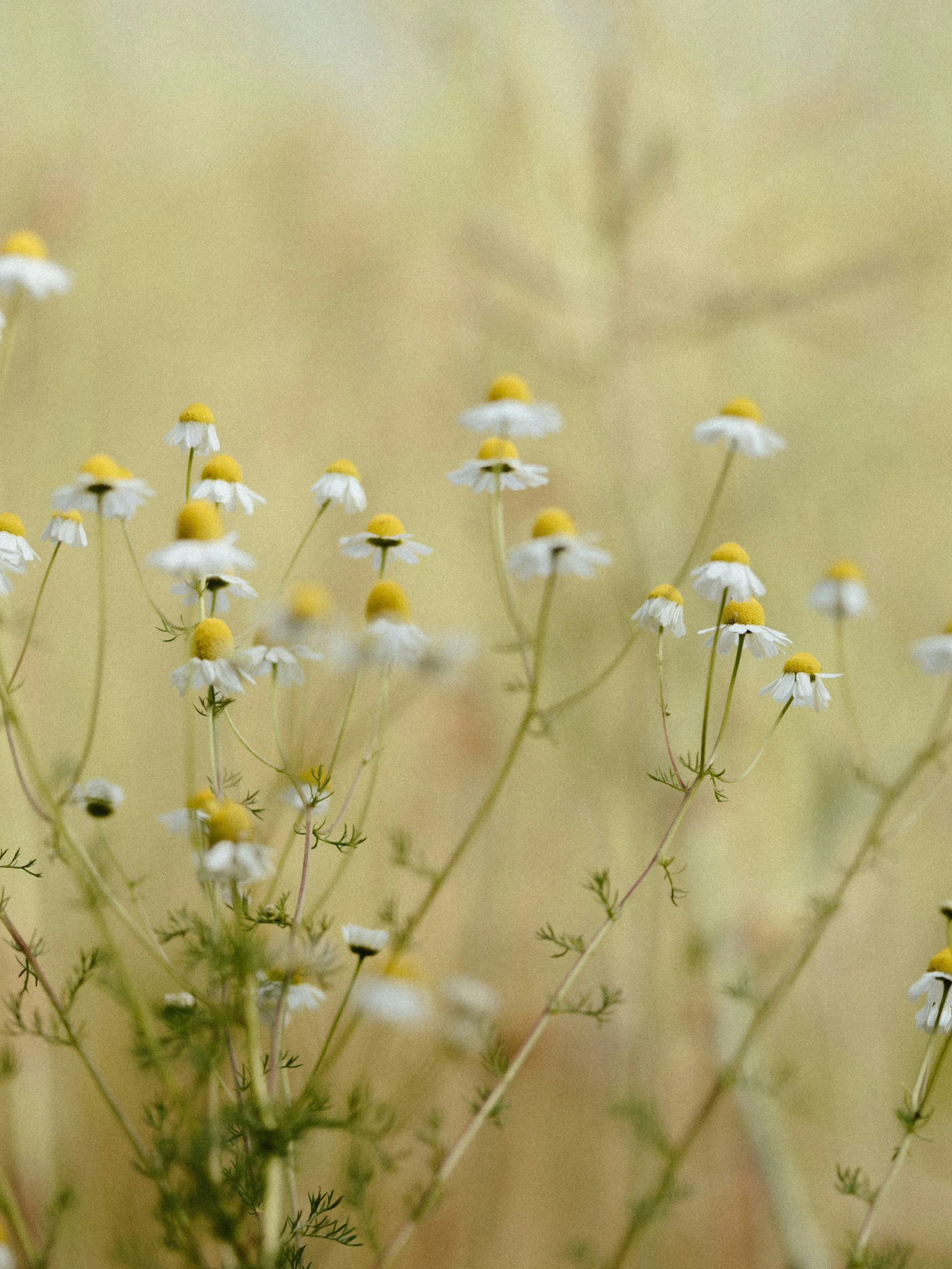
⭐️ Chamomile (Matricaria chamomilla): One of my favorite digestive tonics for folks whose indigestion has been caused by a disruption to their day - which is what a protest or march is. Helps with Sleep. Other indications include general crankiness, gas, digestive cramps, and feeling like you need help "digesting" or processing everything you're feeling.

⭐️ Peppermint (Mentha piperita): A great circulatory tonic, Peppermint helps to calm us when we need to rest or energize us when we need to get moving. The herb supports the immune system and can be especially useful if your action took place indoors where you might have been exposed to more germs than you're used to. 

⭐️ Lavender (Lavandula spp.): For mental and physical restlessness that is making it hard for you to decompress after an action, Lavender is a beautiful nervous system tonic. Helps with sleep. Indications include overstimulation, agitation, nervousness, and insomnia.

Ginger (Zingiber officinale): A great all around post-protest herb, helping to reduce inflammation from all the extra walking, chanting or physical activity, as well as helping protect against colds. In addition to tea, Ginger makes a great bath herb or compress for pain.

Milky Oat (Milky Oat): My favorite tonic for the nervous system, Milky Oat is calming, grounding, and centering. It is a wonderful way to help re-center after the noise and motion of a protest.

⭐️ Mullein (Verbascum thapsus): Mullein moistens the airways and can be a very useful herb if you've been exposed to CWs. Mullein is often present in "throat coat" and "cold care" tea blends that you might be able to find at your local grocer. Throat coat style blends can be great for post CW care.

Skullcap (Scutellaria lateriflora): If you find yourself with a busy mind and are struggling to settle down after a protest, Skullcap is a great plant to work with. Another great rest and sleep aid. Indications include overwork, exhaustion with hyperactivity (e.g. having trouble settling down), and brain fog.

Additional herbs to consider: Calendula (Calendula officinalis) as a salve or herbal oil for helping clean skin heal after CW exposure. Dandelion (Taraxacum officinale) to help the body process and release CWs. Turmeric (Curcuma longa) on its own or in haldi doodh (golden milk blend) for inflammation from injury. Motherwort (Leonurus cardiaca) and/or Rose (Rosa spp.) to alleviate the emotional strain of protesting. Passionflower (Passiflora incarnata) or California Poppy (Eschscholzia californica) to help with getting to and staying asleep. 

image via @linusbelanger

Recipes 

☕️ Bliss Blend remains a perennial favorite for grounding and centering after a period of intensity. 

🫖 My Tea for the Tired post offers three different recipes:

  • Gentle Buzz: For those struggling with social burnout, a tea to help settle the nervous system and help us feel connection without overwhelm.

  • Lush Cloud: For those needing a soft place to land and looking to restore their sleep cycles after a period of stress.

  • Wellspring: For those whose creativity or hope feels dulled by chronic stress, a tea blend to help refill the well of inspiration.

🌻 For practitioners looking to support their community and folks wanting more resources, I wrote a series on herbal practices for highly sensitive folks that is essentially a guide to taking care of our nervous system and sensory practices that help us reduce overwhelm. The necessity of large-scale protests means that we're all swimming through intense times where extra attention to our nervous system and sensory environment will benefit us in the long run, so you might find these simple suggestions useful.

Additional Resources

Calls to Action & Community Resources
For more in-depth guides to mutual aid, herbal street medicine and clinics, becoming an constitutional observer, and more

Preparing for, Protecting Against, and Treating Tear Gas and Other Chemical Irritant Exposure: A Protestor’s Guide
~ Physician's for Human Rights ~

So You Got Teargassed? Herbal Self-Care After Exposure to Chemical Weapons
~ Missy Rohs ~

Read This When Things Fall Apart: Letters to Activists in Crisis
~ Kelly Hayes ~

✨

I hope you found my quick guide to after the protest useful and that it inspires you to think about the ways that you can support yourself and your community as we work together for a more just, more kind world.

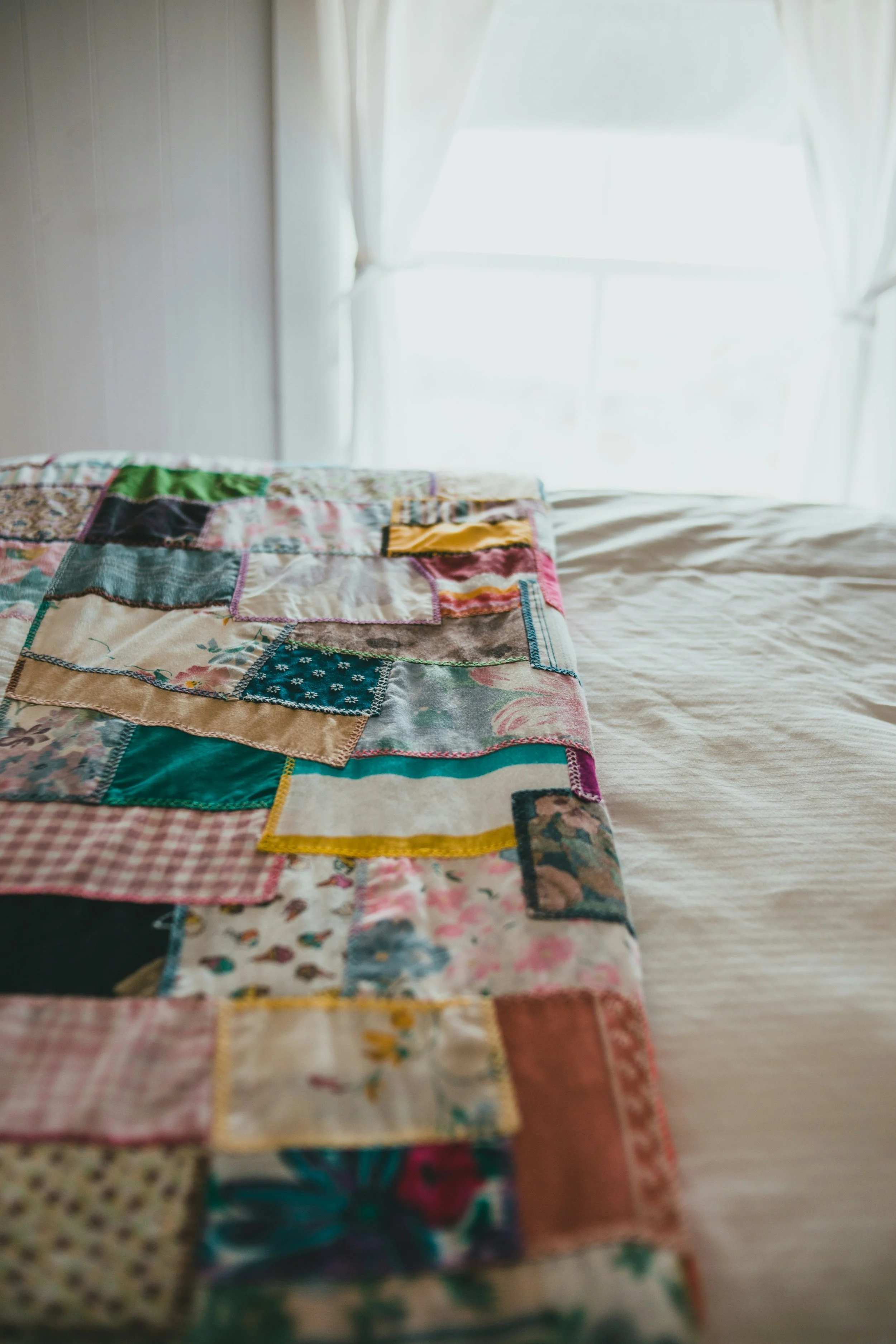
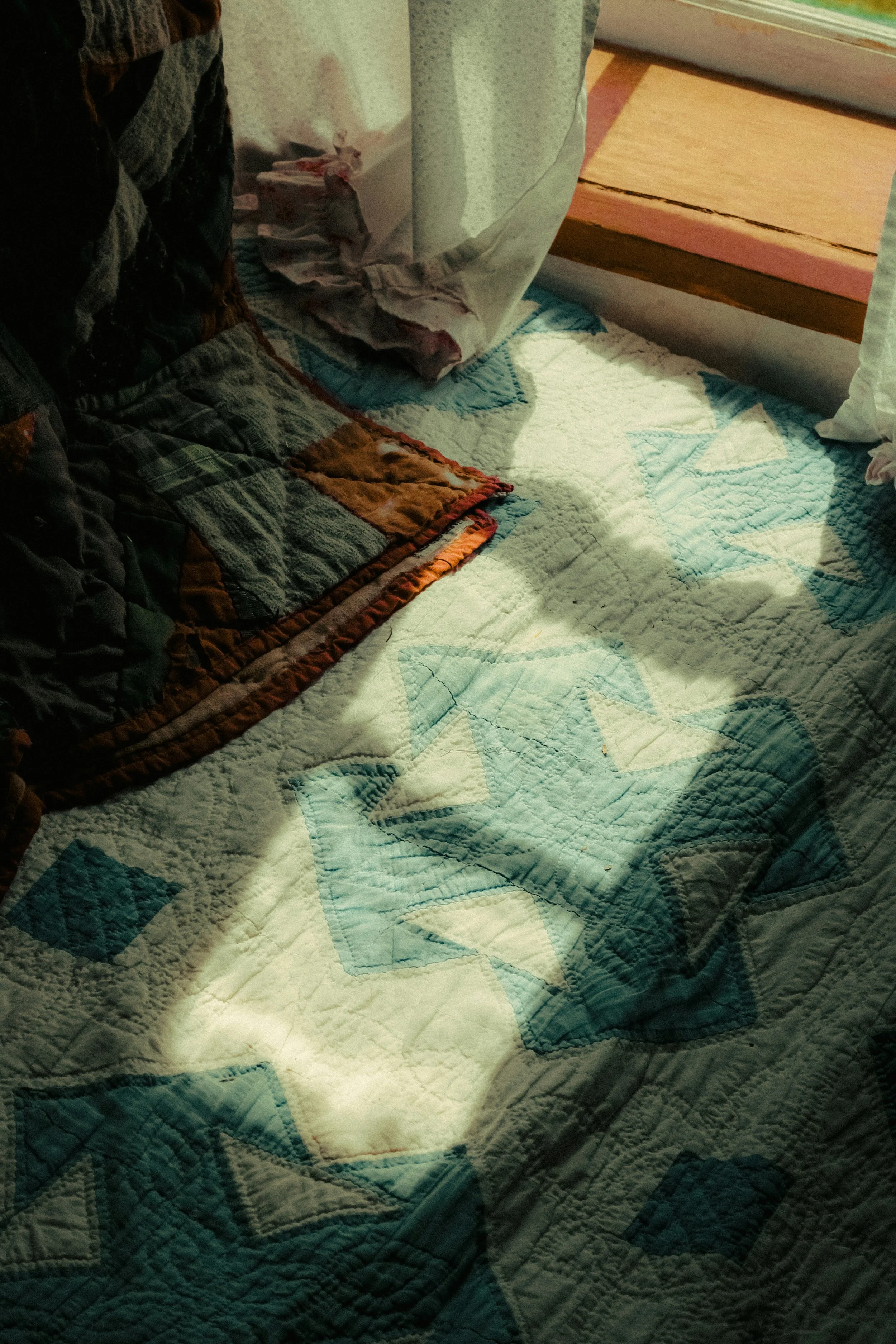
And, if you were wondering why I included images of quilts for this post, I wanted to represent not only how we’re all stitched together in this, but to celebrate the often invisible but essential work of women - tireless quilters of community - that are behind so much organizing. Blessed be the quiltmakers & the peacemakers!

This post was made possible through patron support.
❤︎ Thanks, friends. ❤︎


We respect your privacy.

Thank you for signing up for Magick Mail! Once you have confirmed your subscription to the list you will gain access to our member's only apothecary.

0 Likes
categories / recipes + tutorials, path of the herbalist
tags / community herbalism, building community during times of crisis, protest aftercare, chamomile, peppermint, lavender, ginger, milky oat, mullein, skullcap, calendula, turmeric, motherwort, rose, california poppy, passionflower
Newer  /  Older

© 2010 - 2026 Worts & Cunning Apothecary | All Rights Reserved | Disclaimer | Land Acknowledgement
. live your magick .