
Relief for the Restless: Wild Cherry Plant Profile
While I keep a list of plants profiles to write up (many of which are suggested by my patrons), some times you wake up in the morning with the name of a plant swirling around in your head, knowing that they are who you need to write about next. That was the case with Wild Cherry (Prunus spp.) a few months ago.
It's not surprising that Wild Cherry appeared in my dreams during the late autumn of the year - it's a plant that I rely on regularly to help folks alleviate any type of cough that appears often in this season - especially persistent, spasmodic coughs.
Wild Cherry is one of those plant allies that has limited use but when it is needed, it can be pretty wondrous. So, with that in mind, let’s get to know our the beautiful Wild Cherry.
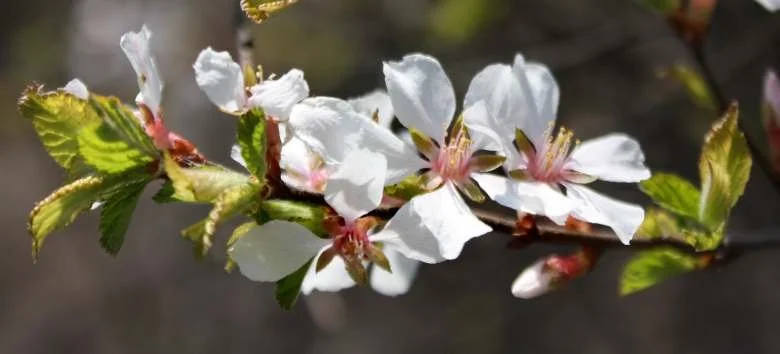
Prunus avium, I.Sáček, senior, Public domain, via Wikimedia Commons
Wild Cherry
(Prunus serotina, avium)
Common + Folk Names : Black Cherry (Prunus serotina, virens), Chokecherry (P. virginiana), Cherry Stalks (Prunus avium), Bitter Berry, Bitter Cherry, Virginia Bird Cherry, Virginian Prune, Sour Cherry (Prunus cerasis), Sweet Cherry (Prunus avium)
Element : Earth, Fire
Zodiac Signs : Carries the energy of Libra and Taurus. A remedy for Aries, Leo, and Sagittarius.
Planets : Venus, Mars
Moon Phase : Dark Moon
Tarot Cards : The Tower, the Suit of Wands (learn more about the connections between the tarot and herbs)
Parts used : Dried inner bark
Habitat : Varieties are native throughout North America and Eurasia.
Growing Conditions : Partial sun to moist well-drained soil.
Collection : Harvest the inner bark from young trees during the fall or spring preferably from windfallen or small branches.
Flavor : Bittersweet
Temperature : Cooling to Neutral
Moisture : Dry
Tissue State : Heat, Tension, Stagnation
Constituents : Cyanogenic glycosides, benzaldehyde, essential oils, coumarins, gallitannins, isoamygdaline, amygdalin, scopoletin, tannin, resin.
Actions : Antitussive, astringent, anti-inflammatory, antispasmodic, bitter, bronchodilator, carminative, cardiotonic, diuretic, expectorant, lymphatic, sedative, spasmolytic, tonic.
Main Uses : I first came to know Wild Cherry while living in Maine, where Wild Cherry syrups were commonly found in health food stores and farmer's markets. The syrup, mixed with other herbs like Elder Berry (Sambucus nigra) and sweetened with local Maple syrup was a desert-like revelation! A plant with long use in both the European and Indigenous North American herbal traditions, Wild Cherry has an affinity for the mucous membranes of both the respiratory and digestive systems. Combined with its astringent and gently sedating qualities, Wild Cherry is a fantastic ally during cold and flu season when damp coughs and digestive upset are common. It feels especially useful for the increase in long and lingering colds with intermittent fevers which seem more common in our post-pandemic age.
In North America, Wild Cherry has long been used as a respiratory tonic, especially among First Nations along the eastern seaboard, including the Lenape (Delaware Nation) who use the fruits for cough syrups, though its use extends throughout North America, including among the Potawatomi, Cherokee, Cheyenne, and Lakota.¹ While in the European context, Wild Cherry was predominantly used as a digestive tonic, with its respiratory qualities learned from various First Nations of North America. Culpeper writes of Sweet Cherry's (Prunus avium) ability to balance out excessive humours in the body and especially useful for "hot stomachs" where stagnant digestion leads to gas and diarrhea - but he was using sour and tart fruit, rather than the bark, for digestive complaints. He used the gum of the tree, dissolved in the alcohol, for issues of digestion as well as coughs and to improve eyesight.² Within Irish tradition, Wild Cherry was part of a remedy for treating an injury to the back of the brain/head, including repairing any wound or ulcer caused by the initial injury.³
The primary use of Wild Cherry bark in western herbalism is as an effective remedy for coughs. Since Wild Cherry acts as a mucous membrane tonic, it works well to help bring balance to the soft tissue lining the canals of the respiratory system. It is best used at the earliest sign of a cough, but can be helpful throughout a cold and beyond for coughs that are continuously spasmodic as well as conditions like smoker's cough, sore throats and coughs associated with asthma. Wild Cherry contains cyanogenic glycosides which has a sedating effect on the smooth muscle of the mucosa which relaxes the cough reflex.⁴ This sedation effect extends to the nervous system as well and is reflected in the indications for Wild Cherry which include nervous exhaustion and a febrile state that can oscillate between unrest and exhaustion. Combined with Wild Cherry's drying effect, rather than expelling catarrh (like a plant like Inula helenium might do), the herb dries up excess damp causing congestion.

Rijksmuseum, CC0, via Wikimedia Commons
Other indications for Wild Cherry include an erratic fever, poor circulation (check for cold, sometimes damp hands and feet) and general irritability. When using Wild Cherry for chest infections or viruses like the common cold, it's important to combine it with antiviral or antimicrobial herbs along with an immunomodulator or immunostimulant since the herb does not possess any of these qualities. I often find myself combining Wild Cherry with herbs like Boneset (Eupatorium perfoliatum), an immunostimulant, and Pleurisy Root (Asclepias tuberosa), an antiviral and antimicrobial ally, but use the herbs you have available to you and are most appropriate for the need at hand. In general, Wild Cherry is a useful recovery herb which doesn't overstimulate the immune system, but instead helps to bring the soft energy of the body back into balance by alleviating excess tension, improving circulation, and supporting the lymphatic system. Its lack of immunostimulation means that it can be a useful anti-inflammatory in cases of autoimmune disease.
Wild Cherry also has resonance with a "restless" heart which include symptoms like palpitations (especially when caused by indigestion), nervous energy leading to fatigue, mental restlessness, muscle spasms, and inflammation of the soft tissue of the body. The herb's qualities as a mucous membrane tonic extend to the digestive tract. As a digestive remedy, Wild Cherry is drying to the digestive tract and can be especially useful especially after illness when the gastrointestinal tract has been disturbed leading to excess mucus in the bowels and/or diarrhea. Look for indications including loss of appetite, a tender abdomen, diarrhea, and gas.
The herb also has historically been used to break up kidney and gallbladder stones, but has more likely to be used as an aid for the urinary tract in the modern age, helping to reduce inflammation (again, be sure to combine with other herbs in case of infection). The fruit of wild cherry can be used to alleviate inflammatory conditions such as arthritis and help prevent gout attacks. While not a common usage, Wild Cherry's astringent and anti-inflammatory actions on the mucus membranes may also be useful for heavy menstruation, including the dissolution of uterine fibroids.⁵ Look for signs of nervous tension, premenstrual fevers, and diarrhea. Northern Plains tribes also use the herb for postpartum hemorrhage.⁶
Like many astringent Venus herbs, the bark can be used in tea or hydrosol form on the skin for its tonifying qualities. Anne McIntyre suggests using the herb as an eyewash for keratitis, which is the inflammation of the cornea.⁷ It also has historical use as a wash for acute eye inflammation and "ill conditioned ulcers" (aka non-healing wounds especially common with seniors, which these days should be treated with biomedical techniques with herbal medicine playing a supporting role).⁸
Magickal Uses : I encourage you to search around for myths involving varieties of Wild Cherry in your ancestral lines, both mighty and beloved. In a number of First Nation myths, the Chokecherry plant often features as a sweet lure or healing aid by trickster spirits like Coyote, to protect resources from overconsumption.⁹ It is one of the sacred trees in Irish tradition and there has been a compelling argument made that it should be included in the tree ogham, represented by the fid Nion/Nin.¹⁰
I love Paul Beyerl's description of Wild Cherry as a bark to be gathered "when one wishes to revitalize the magickal energy needed to complete an old project."¹¹ It so beautifully aligns with Wild Cherry's healing qualities and the type of energy that any of us could benefit from in different stages of our life. Being an herb of Venus, the sweet varieties of Cherry often appear in love spells from the simple (tying hair to branches) to the complex (drilling holes in stones in correspondence with the lunar phases) and the juice of the fruit can be used as a blood substitute for spells and rituals.¹² My experience with Wild Cherry is that it is a wonderful magickal ally to call on when recovering from a relationship, especially one that was not beneficial to your wellbeing - consider combining with Rose (Rosa spp.) and Hawthorn (Crataegus monogyna).
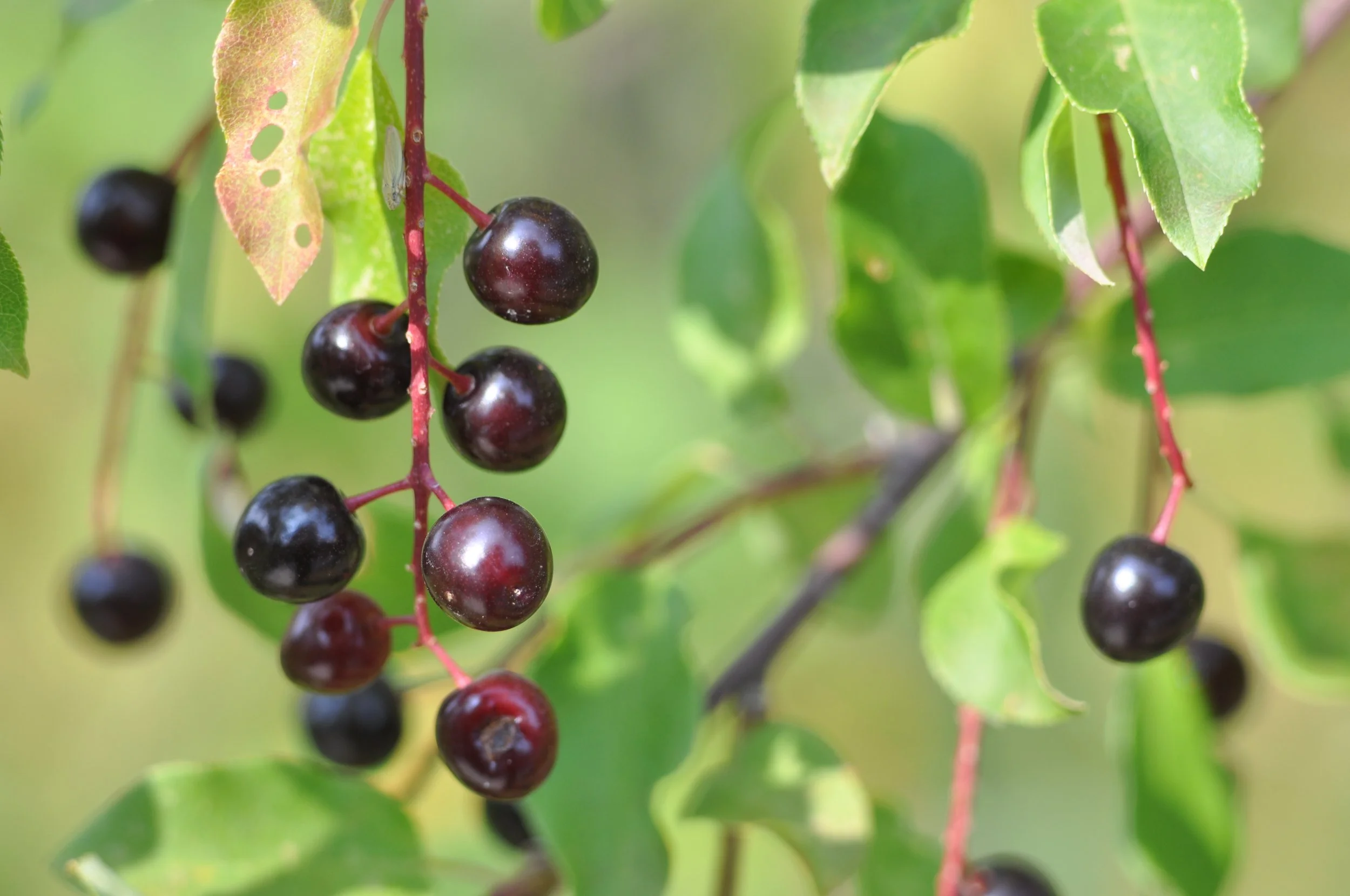
Prunus virginiana, English: NPS Photo, Public domain, via Wikimedia Commons
The Wild Cherry Personality : There is a deep unsettled feeling within Wild Cherry folk. Something is restless and wild within them, making it hard to rest and to be calm enough to focus in the ways they want. Their energy carries a nervous uncertainty that has settled within their soft places creating tension where they feel depleted but are too restless to actually relax. From the outside, it can seem like Wild Cherry folk live a hectic life, prone to irritation to those around them, having moments of creative insight, but unable/unwilling/afraid to slow down enough to create. Slowing down and implementing different ways of moving through the day can feel like a path towards further destabilization for Wild Cherry folk - the buzzy, oscillating energy is what they feel like holds them together. After an extended period in this ungrounded state, a distance to oneself and others can begin to develop, where the heart begins to feel like a foreign place instead of one's homeland. Working with Wild Cherry helps us to start asking, "What is actually going on?" instead of assuming everything is on fire. When we don't feel like we have a firm grasp of any one thing in our life everything can feel unstable, every decision overwhelming, and the lure of hopelessness all too tempting.
Wild Cherry offers an energy that soothes, helping us to sort our thoughts and begin to create new pathways and practices that help us feel settled and avoid falling back into frantic habits. The grand gift of Wild Cherry folk is the despair-dissolving beauty they carry, having been to the precarious places and come back home again, full of stories of the sweetest fruits and the brightest blossoms.
Contraindications : Use only in small doses - standard dosage over the short term (like the length of a cold) is fine. Large doses can be toxic or at minimum induce nausea, dizziness, and vomiting. Use the dried inner bark as the fresh or wilted bark contains the highest amounts of prunasin. Avoid during pregnancy and breastfeeding.
Drug interactions : May reduce effectiveness of medications due to effects of cytochrome liver enzymes. Avoid with anticoagulants and hypotensives.
Dosage : Standard dosage. Not for long-term use. Wild Cherry bark is prepared differently than other bark medicines you might be used to and doesn't particularly like being boiled. Do not decoct the bark, instead use infusion method as for tea. It's also prepared differently than standard alcohol extractions (tinctures). The following summary for preparing Wild Cherry bark comes by way of jim mcdonald via Rebecca Beyer's excellent book Folk Herbal: An Illustrated Guide to Natural Remedies and Everyday Healing :
Cherry bark tinctures are best made a little differently than others. This particular method comes from the wonderful Michigan herbalist jim mcdonald. Cherry bark tinctures best after being finely ground and then being hydrated with water before adding alcohol. This allows the alcohol to more fully penetrate the cell walls of the bark.
The recipe is 1 part bark, 3 parts water, and 2 parts 95% alcohol. Take 1 part cherry bark and add three times as much water in a 1-quart glass jar. For example, take ½ cup of bark and add 1 ½ cups of water to hydrate it overnight. Then add your alcohol, which should be 1 cup in this example. Allow this to tincture for 4 to 8 weeks, then strain, squeezing out all the alcohol, and store the tincture in a dark, dry place in a labeled, lined jar.¹³
🌿
Is Wild Cherry a plant you work with in your practice?
If you’re looking for more plant profiles, be sure to check out my plant allies archive. For a complete collection of all of my plant profiles from all of my courses (including easy-to-download PDFs), you’re welcome to visit The Plant Ally Library.
I hope that you find sweetness along your herbal path, with plenty of space for the healing gifts of the wild, the bitter, and the relief of finding the remedy you seek.

This post was made possible through patron support.
❤︎ Thanks, friends. ❤︎
📚
Footnotes
1. Rebecca Beyer, The Complete Folk Herbal: An Illustrated Guide to Natural Remedies and Everyday Healing (New York, NY: Simon Element, 2025), 349. Enrique Salmón, Iwigara: The Kinship of Plants and People (Portland, OR: Timber Press, 2020), 70.
2. Nicholas Culpeper, and J. J. Pursell, Culpeper's Complete Herbal: A Compendium of Herbs and Their Uses, Annotated for Modern Herbalists, Healers, and Witches (Portland, OR: Microcosm Publishing, 2022), 80.
3. Dr Siobhán Barrett, 'Trees and Medicine, Part 2,' LEIGHEAS: Language, Education and Medical Learning in the Premodern Gaelic World, May 30, 2024 https://leigheas.maynoothuniversity.ie/trees-and-medicine-part-2/ (accessed December 2025).
4. Cyanogenic glycosides are found in herbs like Sambucus nigra and are based on the toxin cyanide. However, they are present in these plants in minute amounts, and proper preparation of plants like these (see guidance in dosage suggestions below) reduce overexposure even further.
5. Phyllis Light via Matthew Wood, The Earthwise Herbal: A Complete Guide to New World Medicinal Plants (Berkeley, CA: North Atlantic Books, 2009), 288.
6. Salmón, 70.
7. Anne McIntyre, Dispensing with Tradition: A Practitioner's Guide to using Indian and Western Herbs the Ayurvedic Way (Cheltenham: Artemis House, 2012), 107.
8. David Hoffman, Medical Herbalism: The Science and Practice of Herbal Medicine (Rochester, VT: Healing Arts Press, 2003), 576.
9. Salmón, 69 - 70.
10. Luke Eastwood, A Re-Evaluation of the Ogham Tree List, OBOD, February 11, 2020 https://druidry.org/resources/a-re-evaluation-of-the-ogham-tree-list (accessed December 2025).
11. Paul Beyerl, A Compendium of Herbal Magick (Custer, WA: Phoenix Publishing, 1998), 125.
12. Scott Cunningham, Cunningham's Encyclopedia of Magical Herbs (St. Paul, MN: Llewellyn, 2001), 80.
13. Beyer, 350 - 351.
