
The Waking Earth: Herbs for Allergy Season
Let's explore plant allies for allergy season!
There are many herbs that can help alleviate allergy symptoms brought on by seasonal changes and the pollen from plants that are abundant during the warming and warmer parts of the year. Herbal remedies can offer a non-drowsy, whole body approach to allergy season that help us navigate this time of the year with greater ease.
The most effective herbal protocols for seasonal allergies, in my experience, is one that aligns with the seasons, where remedies and practices build upon themselves to help the body¹ pull on the nourishment of the past seasons to move through the present one with greater ease. In other words, herbal remedies for allergies are most effective when used in conjunction with other simple practices (some of which are listed below) rather than used exclusively on their own.
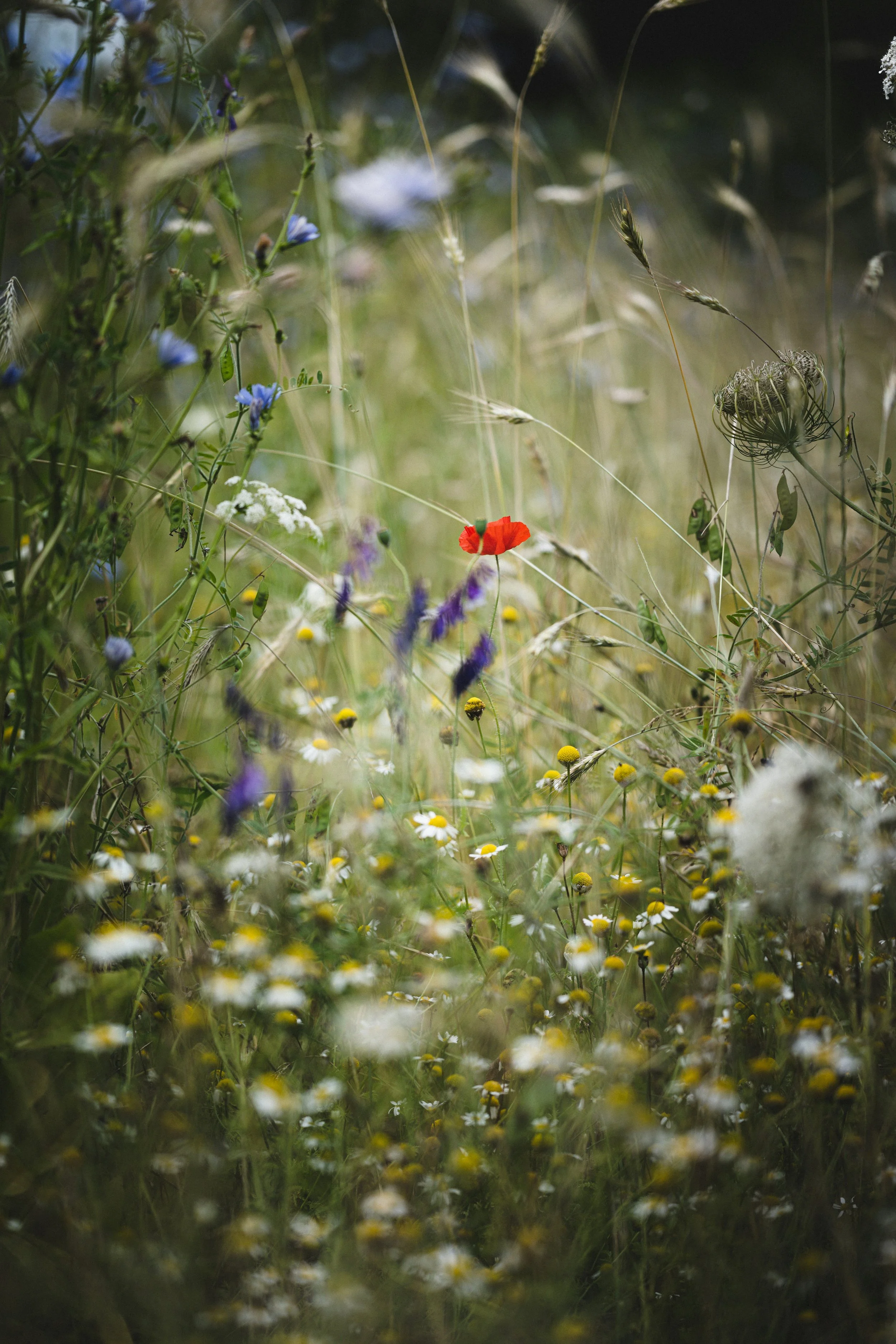
image via @anniespratt
Laying the Foundation
For allergy relief, it's best to start preparing in the weeks before allergy season starts. We begin with lymphatics (e.g. lymphatic system tonics), add in nervines (e.g. nervous system tonics), and start incorporating general and symptom-specific antihistamines.
Lymph tonics start showing up in the land around us during late winter and early spring. All those wild and weedy plants that pop up at the end of winter and beginning of spring, such as Dandelions (Taraxacum officinale) and Cleavers (Galium aparine), are a great way to start incorporating lymph system tonics into your daily tea blends. Overall, we're wanting to add herbs that are gently energizing and tonifying to the body including lymph system tonics, blood building herbs (which is an old herbal way of describing plants which help with building up vitality, including preventing anemia, as well as broader neurological diseases and early concepts of mental health conditions), and herbs that help get our energy moving after the slowness of winter.
I also recommend that folks work with 1 to 2 nervines (Melissa officinalis and Avena sativa are two of my favorites) as well as a general antihistamine herb like Nettles (Urtica dioica) or Butterburr (Petasites hybridus) that can be taken daily two or three weeks before the arrival of allergy season.
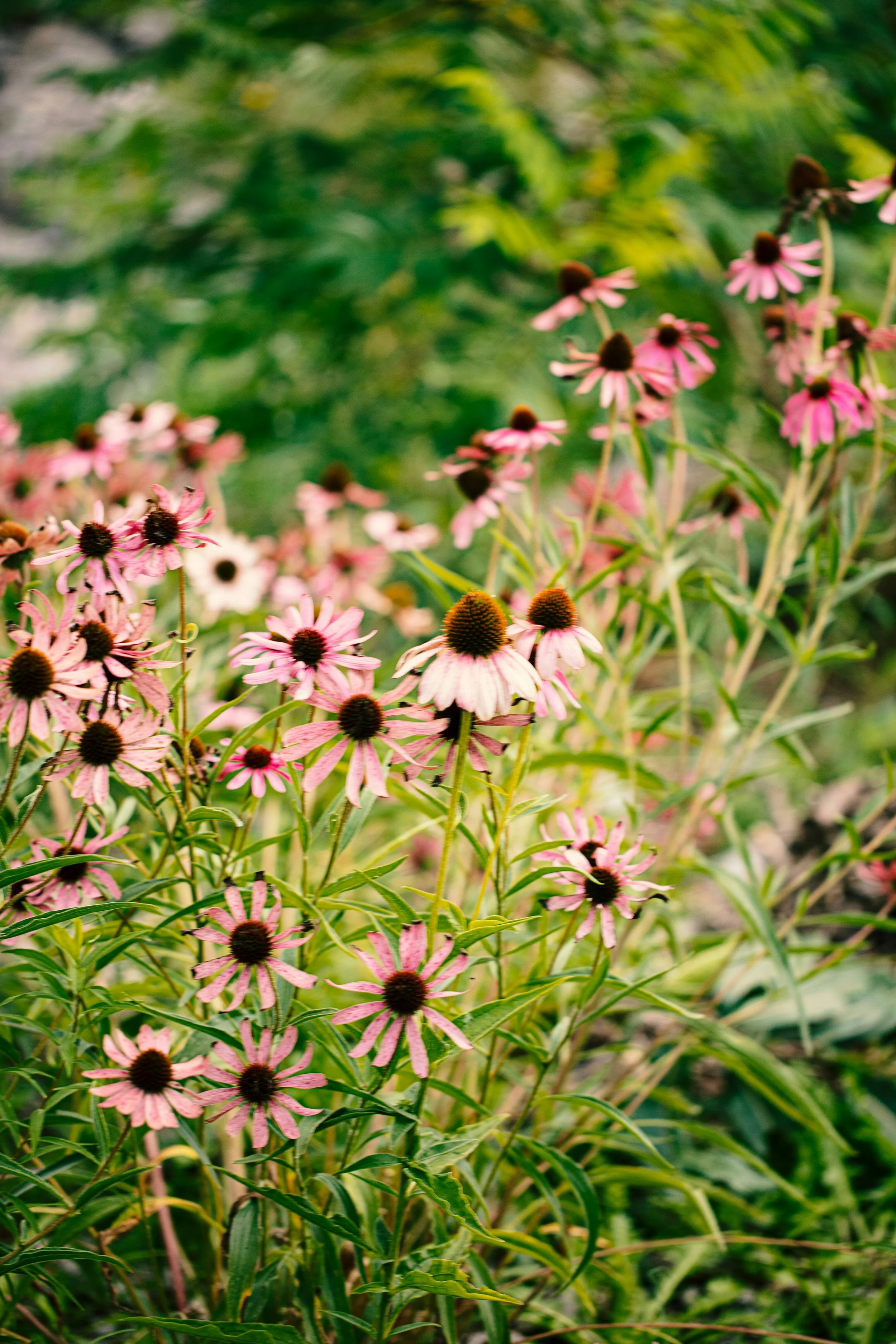
image via @amylynngrover
Plant Allies for Allergy Season
Once allergy season has arrived, you can start incorporating more symptom-specific herbs. I've listed some of my favorite plant allies for allergy season below, many of which are recommendations from my book The Apothecary of Belonging: Seasonal Rituals & Practical Herbalism.
In addition to exploring the herbs below, when you can try to incorporate herbs that are local to the land you live with - local plants can sometimes help us adjust to our local environment more effectively.
🌿 Nettles (Urtica dioica): A nutritionally dense plant ally, Nettles is a great herb to work with in strengthening and nourishing our body. Indications include general seasonal allergies, fatigue, and adrenal stress. Nettles has antihistamine qualities and is traditionally described as an herb that helps to "build the blood" which not only speaks to the herb's iron content, but Nettle's overall nutritive and energizing healing qualities.
🌿 Goldenrod (Solidago spp.): Goldenrod is a great choice of antihistamine when allergies manifest as sinusitis, respiratory inflammation, and excess mucus. Further indications include asthma, stagnant digestion, adrenal fatigue, sore throat, eczema irritated by allergies (it makes a great salve for rashes), and asthma.
🌿 Lemon Balm (Melissa officinalis): A good tonic herb, Lemon Balm helps to protect against overwhelm, whether that's feeling overwhelmed by change, social situations, the effects of allergies or whatever else is looming large in your life. Indications include itchy eyes and skin (use both internally and externally as a skin wash or steam), hay fever, and sinus headaches.
🌿 Peppermint (Mentha piperita): If you're feeling particularly sluggish this spring, turn to Peppermint to help sweep away the remaining drowsiness of winter so you can connect with the energy of the new season. The anti-inflammatory qualities of Peppermint help us to breathe deeper, reduce the allergy-induced brain fog, and alleviate any allergy related pain due to inflammation.
🌿 Dandelion (Taraxacum officinale): The arrival of Dandelion on the land I live with is a time of celebration! Dandelion remedies made during the spring carries the energy of the season throughout the year. A wonderful general ally for allergies, Dandelion helps to reduce sinus inflammation and expel excess mucus (along with the allergens it carries). Additional indications include neck pain, low-grade spring fevers or feeling overheated, and conditions that improve with movement (including receiving bodywork) and worsen when trying to be still.
🌿 Yarrow (Alchemilla millefolium): While you can use Yarrow as a tea, tincture or capsule, the flowers and leaves are one of my favorite topical treatments as a steam for allergy relief, helping to alleviate allergy related headaches, asthma, and congestion. I also love Yarrow in an herbal shower rinse or bath. Indications include water retention, poor circulation, low energy, red splotchiness of the skin, conditions that worsen in air conditioned environments, and exposure to environmental pollutants (including wildfire smoke).
🌿 Butterbur (Petasites hybridus): A lovely antihistamine, Butterburr works best when you start to take it a few weeks before allergy season arrives. Indications include asthma, hay fever, allergy-induced headaches, and skin conditions brought on or aggravated by allergies.
🌿 Mullein (Verbascum thapsus): If you've had a long season of being sick this past winter, Mullein can be a great ally, especially if there is a lingering cough. I like combining Mullein with Elder (Sambucus nigra) and Peppermint (Mentha piperita) for a lung-opening, immunomodulating blend. A helpful ally for those whose asthma is irritated by the increase in heat and allergens that spring brings. Indications include dry and spasmodic coughs, general lung weakness, and hoarseness.
🌿 Wild Cherry (Prunus serotina, avium): Wild Cherry can help to sedate hacking, repetitive coughs and can be especially useful in the evenings when you are trying to relax. Indications include a sharp, hacking cough, indigestion, and sore throats.
🌿 Passionflower (Passiflora incarnata): Sometimes a gently sedating herb is what is needed in the evenings when allergy symptoms are making it hard to settle down and rest. A little goes a long way with Passionflower, but in addition to sedation, the herb also has anti-inflammatory and pain-alleviating qualities. Indications include insomnia, spasmodic coughs, and busy, chattering thoughts.
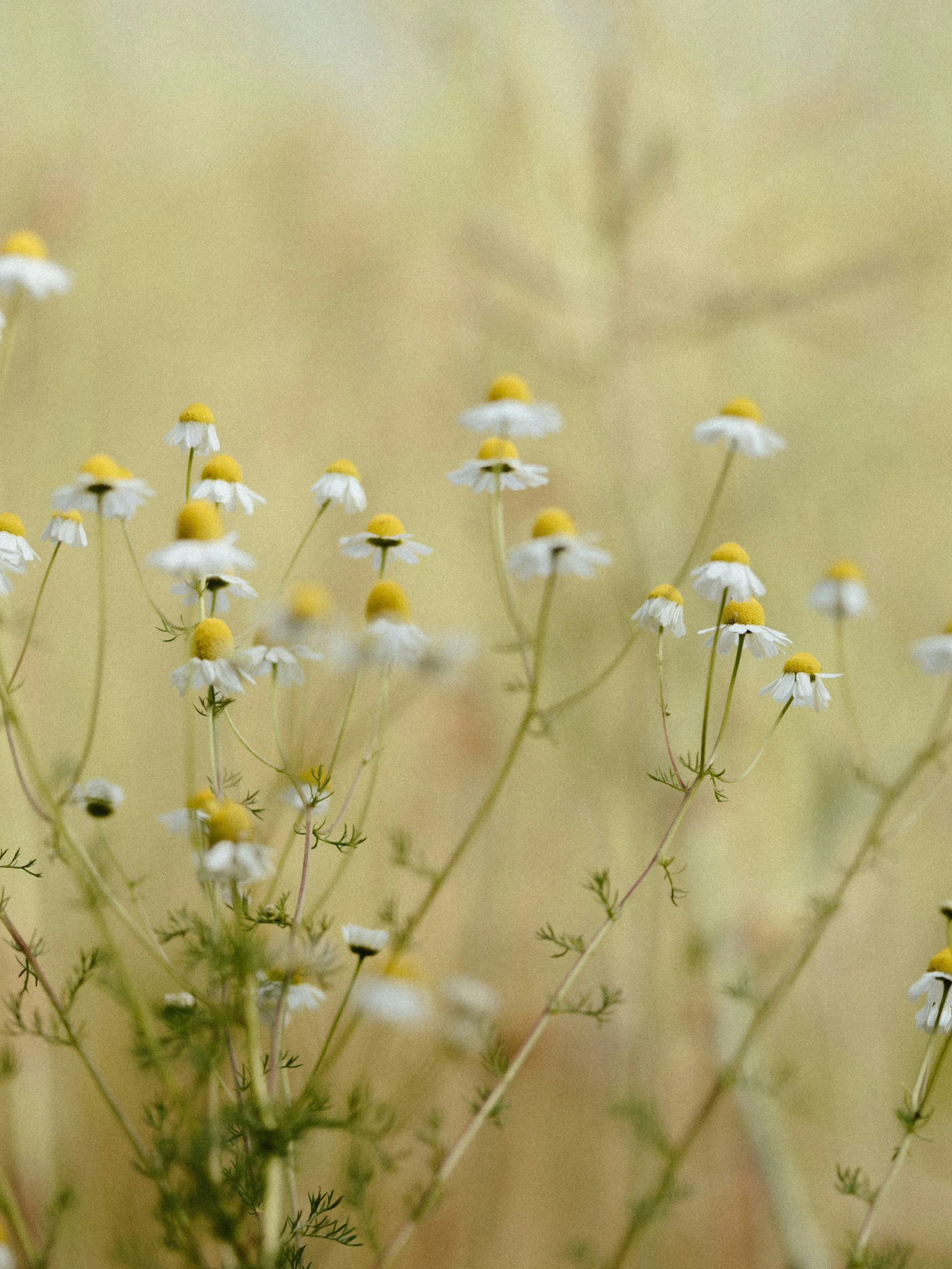
image via @anniespratt
A Full & Supported Practice
Once you've got your nervine and your allergy-specific plant ally, you can begin to add in other herbs to help to reduce symptoms, strengthen body systems, and provide overall support. For example, I recently recommended Mullein (Verbascum thapsus) combined with Marshmallow (Althea officinalis) for a dry, hacking cough that was disrupting a person's ability to work. Mullein works on the respiratory system, while a small dose of Marshmallow brings that extra bit of mucilaginous relief to calm and quiet their high and tight respiratory system.
For times that you know are going to be high allergen days, you can take a standard dose² of Echinacea (Echinacea spp.) in the morning for extra support. But Echinacea should be taken only a few days here and there (and no longer than 7 days in a row) because it is immunostimulating and can create stress on our immune system if used for too long. When taken occasionally on high allergen days, Echinacea can be very helpful in preventing more intense and debilitating allergy symptoms.
My additional recommendations are:
Use a neti pot daily in the morning
Salt water gargle mornings and evenings (combined with oil pulling if you like)
Change sheets weekly (and your pillowcase more if you need to)
Use a physical barrier like a mask to help protect your respiratory system on high allergen days when you still have to go out.
While not all of these beyond-herbs recommendations will work for everyone, use what does, and consider other ways that you can physically remove from your environment and reduce exposure to allergens.
Allergies can be tricky, so it can take a moment to figure out what herbs work best for you. Having a general structure of preparatory lymph tonics and antihistamines, followed by a combination of nervines, antihistamines, and symptom-specific support (i.e. mucilaginous herbs for dry conditions or astringents for damp conditions) can be helpful place to start.
🌸
If you like this style of an indications-based guide to plants, you'll likely enjoy the herbal recommendations organized by season you'll find in my book.
And if you're looking to connect with the seasonal energy of the year you might enjoy my winter to spring or spring to summer recommendations. I also have a full post on the plant allies of spring and how to create a spring apothecary.
I hope you found this guide to plant allies and ways to work with them to alleviate the stress of allergy season useful. May you enjoy the bright half of the year more thoroughly (and with less runny noses and itchy eyes) with your plant allies at your side.

This post was made possible through patron support.
❤︎ Thanks, friends. ❤︎
📚
Footnotes
1. I use the term body here in its most expansive term including our physical, emotional, mental, and spiritual bodies.
2. In general, a standard dose for an alcohol extract (aka tincture) is 20 - 60 drops (or about 1 - 2 dropperfuls). Whenever working with herbal remedies, it's important to look up contraindications, adjust protocols based on your medical needs and either follow guidelines recommended on the bottle and/or the guidelines from your herbalist or qualified health practitioner.
