
My Favorite Plant Allies for Students
I began my herbal studies in earnest when I was still a student at college.
I worked with what herbal teas were available at the dining halls and supplemented those with a tight budget and excursions to whatever food co-op or health food store I could find a ride to. I made some truly terrible tasting teas for my friends to help them with everything from headaches to heartbreak and marveled at the way that these little brews seemed to help (while simultaneously apologizing for the bitter infusions I'd concocted). Working with plants in this way not only made me feel like a good friend, but gave me a sense of agency as a student - writing and studying and everything else that happens in college can feel like a whirlwind, but with my plant allies I learned that there were some very practical things I could do that could make things feel that much easier (like a cup of Mentha piperita tea before a study session!).
With students in mind, I've pulled together a short list of some of my favorite plant allies for students (and those of us who do a lot of research and writing for a living). The following suggestions are also great herbs for anyone looking to support their brain health in general, reduce stress, and find a way to make the learning process a little easier.
So let's meet the plant allies of the student apothecary!
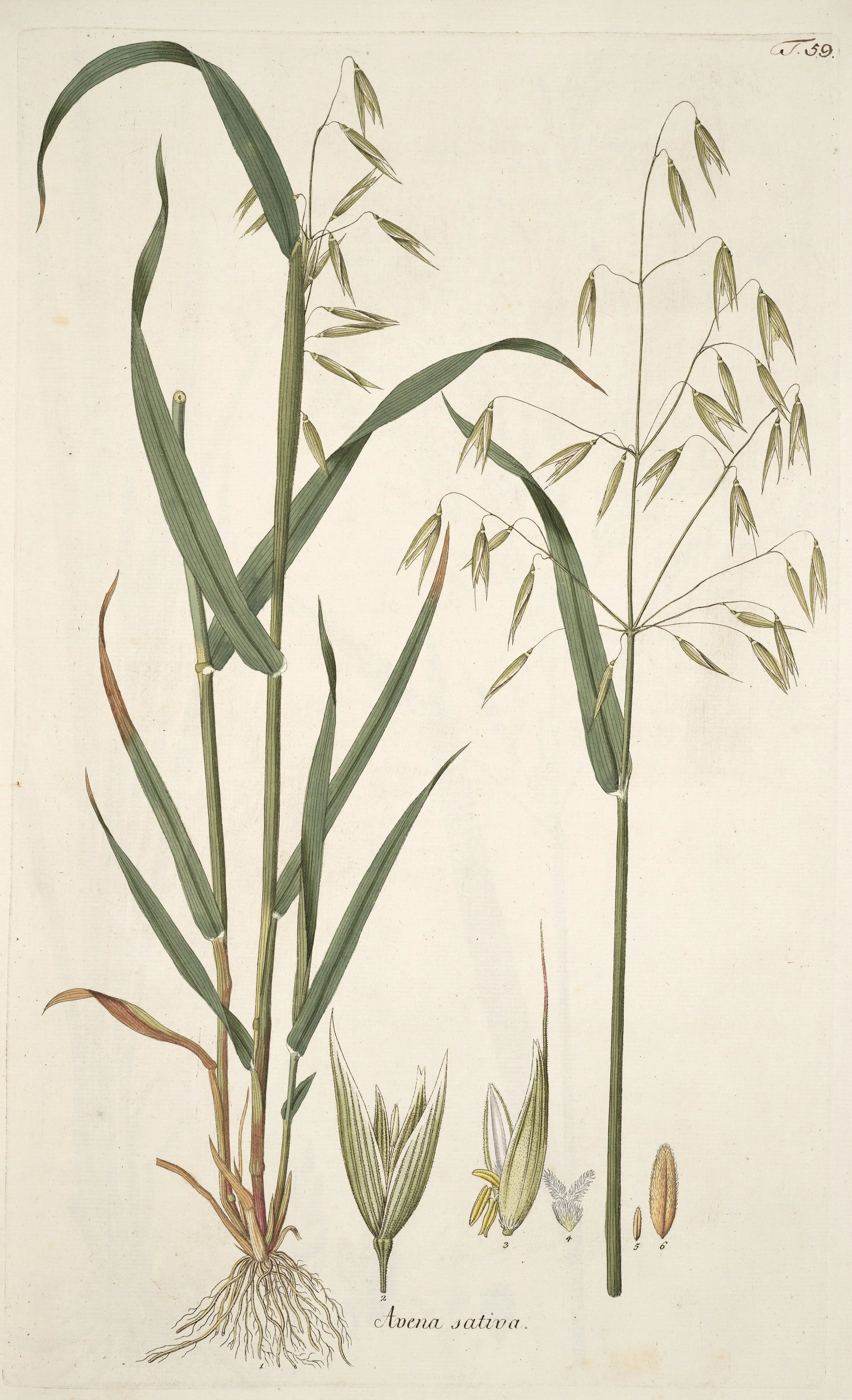
Avena sativa via wikicommons
Milky Oat (Avena sativa)
Every student, in my herbal opinion, should have a few nervous system tonics (aka nervines) as part of their daily rotation of herbs. Many of the plant allies on this list, including Lemon Balm (Melissa officinalis), Skullcap (Scutellaria lateriflora), Vervain (Verbena spp.), and Wood Betony (Betonica officinalis), are nervines because they are a very useful type of plant for everyone to work with.
Milky Oat is one of my absolute favorite nervines - it nourishes the nervous system, helps our body recover from stress, and gently builds up our endurance (making it great for student-athletes!). Milky Oat is also great for helping us deal with information overload (consider pairing with Scutellaria lateriflora) and supports our ability to return to a state of equilibrium after a spike of stress.
What I also love about Milky Oat is that while it's helping you to find more peace during your waking hours, it supports our ability to get a good night's sleep, too. In addition to helping to alleviate anxiety, Milky Oat supports our mood which can help balance our response to the highs and lows of student life. Read the full Milky Oat plant profile.
Lemon Balm (Melissa officinalis)
I like to think of Lemon Balm as an herb for overextension, protecting us from burnout, and helping us to feel calm without being too relaxing. Lemon Balm helps alleviate inertia while not becoming overstimulating. If sluggishness and low moods are the way your stress most often manifests, Lemon Balm might be the plant ally to consider working with.¹
Lemon Balm has the added benefit of being protective against colds and the flu, aiding with digestion, and recharging our social battery by taking good care of our nervous system. It also tastes delicious as a tea, so if you're wanting a very beginner-friendly plant ally to work with as someone who is new to herbalism, Lemon Balm might be a good herb to consider. Read the full Lemon Balm plant profile.
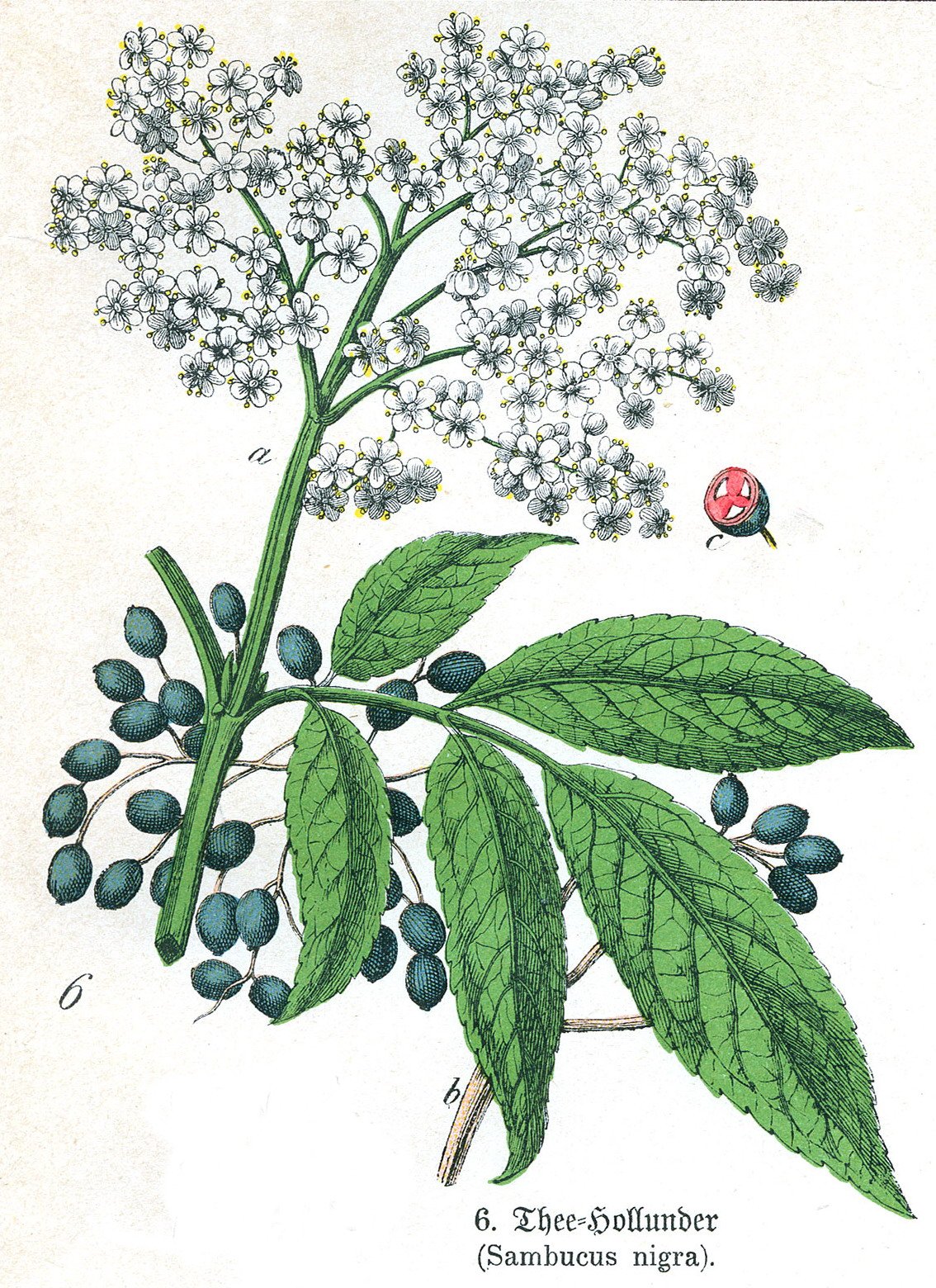
Gotthilf Heinrich von SchubertFile:Naturgeschichte des Pflanzenreichs Tafel XVI.jpg: Аимаина хикари, Public domain, via Wikimedia Commons
Elder Berry (Sambucus nigra)
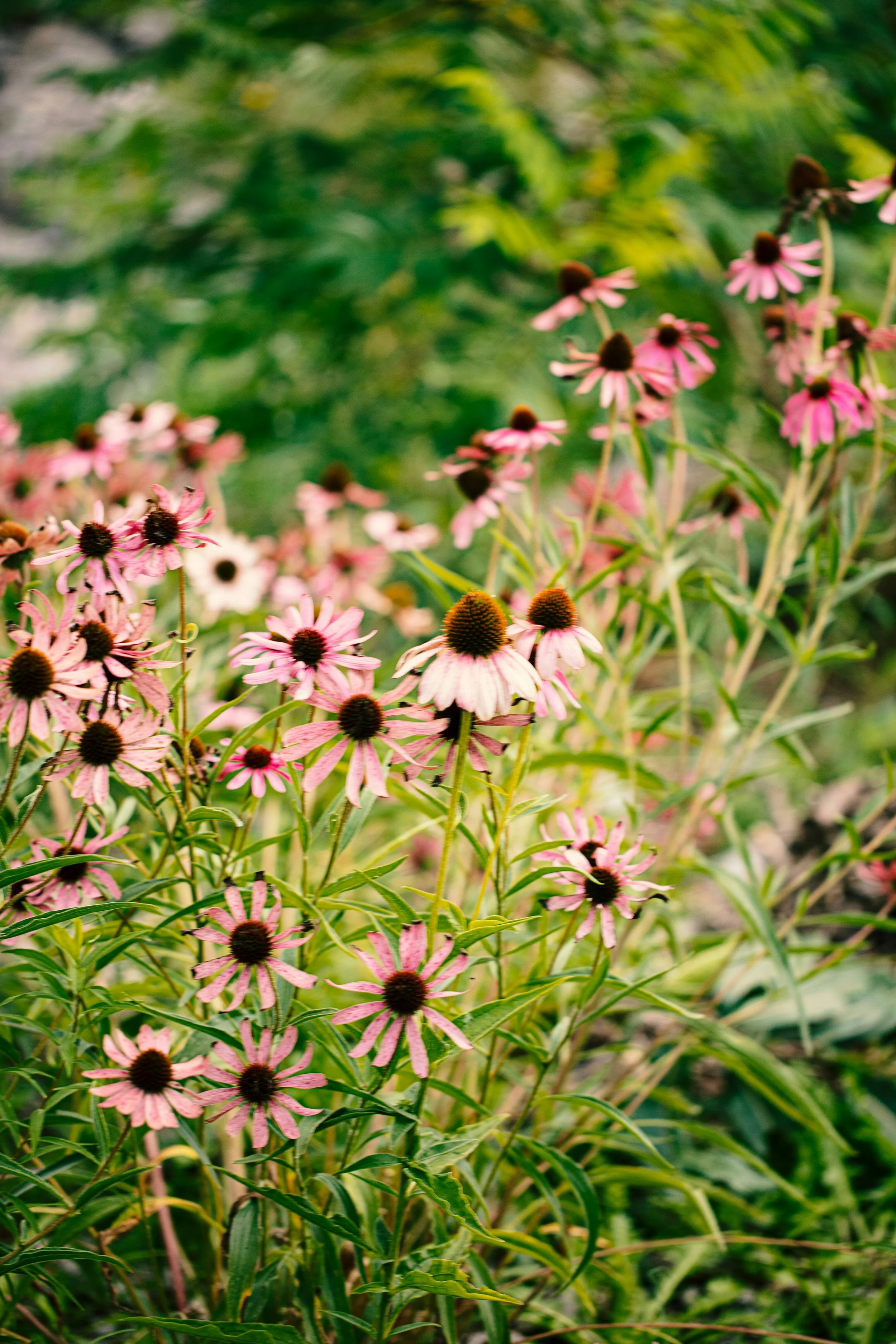
It's always good to have an herb that supports immunity on hand and Elder Berry is one of my favorites. It's immunomodulating which means that it can be taken for longer periods of time as opposed to an immunostimulating herb like Echinacea (Echinacea purpurea) which is beneficial for short periods of use. Whether at the start of the school year when you're returning to the classroom, when you're starting to or are already sick or any time of the year that finds you spending more time indoors around other folks (like a busy library), an herb like Elder Berry helps to strengthen our immune system without overworking it.
Sage (Salvia officinalis)
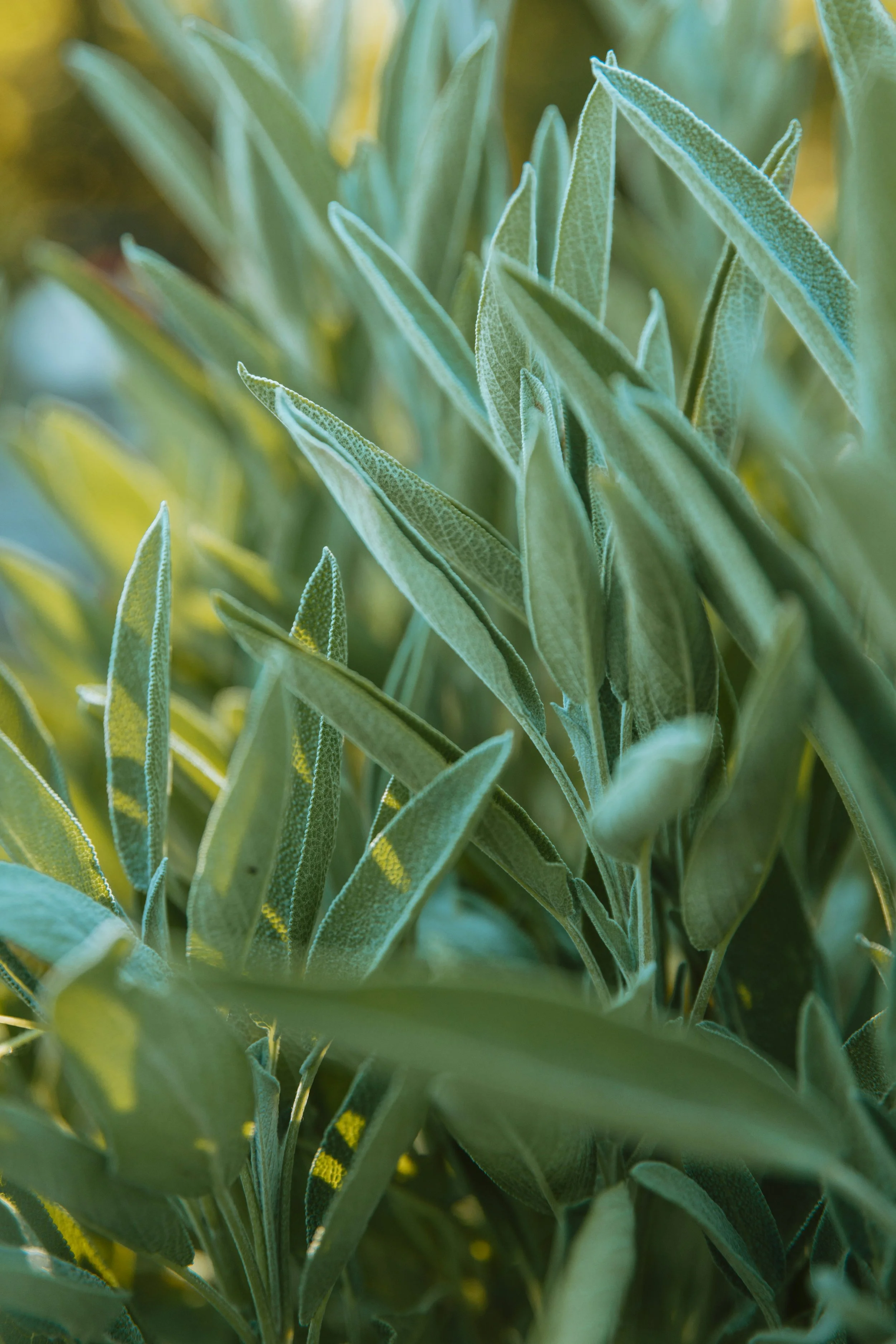
Sage is one of those lovely herbs that makes a great addition to most brain and cognition blends. As a neuroprotective brain tonic, Sage assists with the processing of information and memory, by protecting and improving cognitive function. In other words, Sage helps us to process what we've learned and keep hold of it. In addition to alleviating tension, Sage also helps to protect against infections like the common cold, which makes life just a little bit easier as a student. Read the full Sage plant profile.
Rosemary (Salvia rosmarinus)
Rosemary is a warming and drying herb that helps us to focus. It has a long recorded use as an herb for memory, mental alertness, and “drying” an overly moist and cold brain (which is one of the ways herbalists of centuries past described depression). It can be used by students during study to improve brain function. Returning to the drying metaphor of our herbal predecessors, I liken Rosemary’s skills as a brain tonic to the Sun’s ability to dissipate a thick fog. Rosemary is useful for headaches and can be used to improve circulation and the movement of energy throughout the body (consider combining with Salvia officinalis).
Ginkgo (Ginkgo biloba)
Long-lived Ginkgo trees are not only symbols of longevity and wisdom, but an actual aid of aging well and supporting cognitive health. Ginkgo helps improve memory and cognitive function while protecting against cognitive impairment. It combines well with Sage (Salvia officinalis) and a nervine of your choice to create a well-rounded cognitive support blend. Indications that Ginkgo may be a good plant ally to work with include poor memory and fatigue.
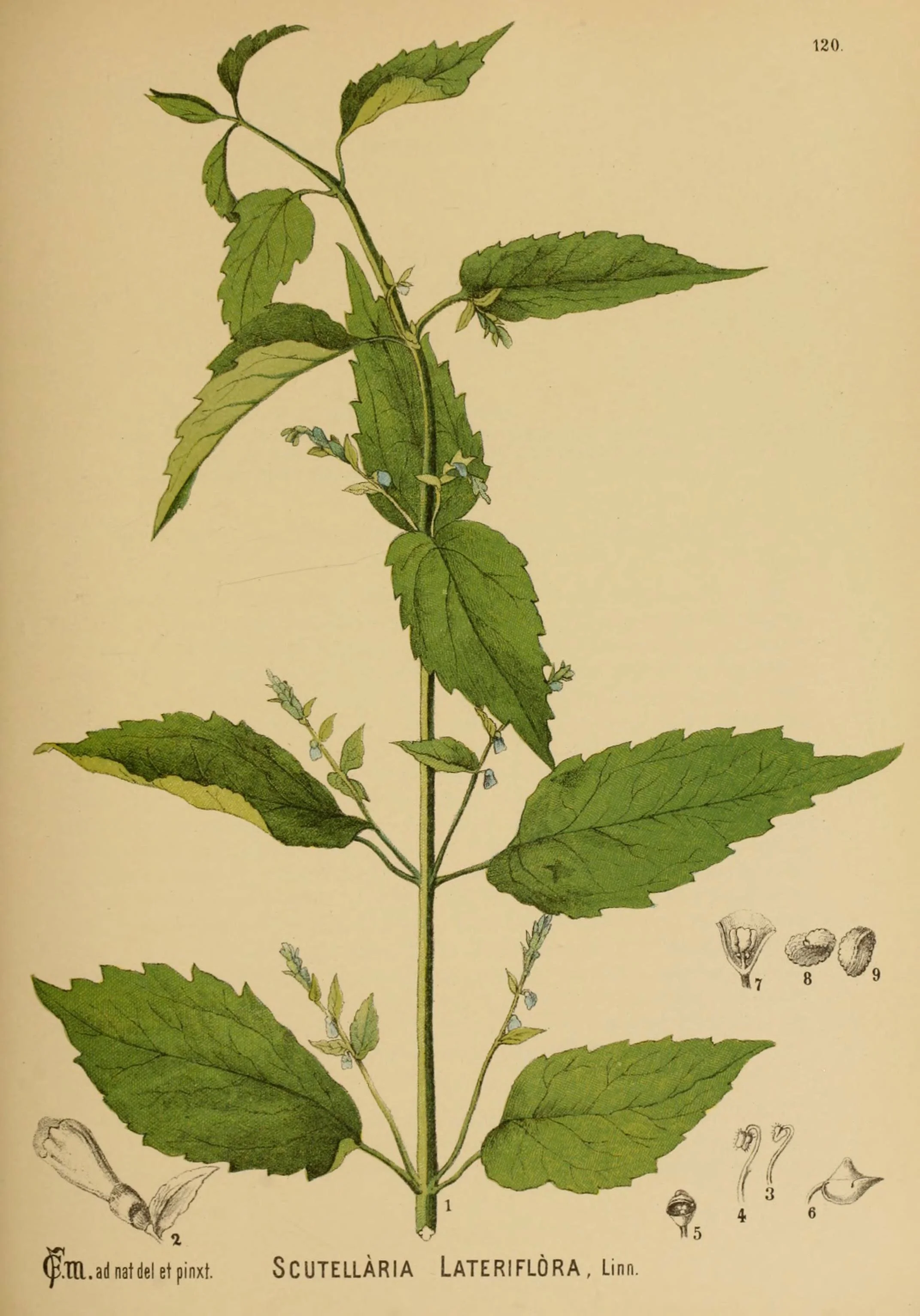
Millspaugh, Charles Frederick, Public domain, via Wikimedia Commons
Skullcap (Scutellaria lateriflora)
Here is a plant ally for folks with busy brains and a lot of inner chatter. English Herbalist Thomas Bartram notes that Skullcap is a wonderful nervine "for workaholics compelled to work long hours with resulting mental exhaustion" - an apt ally for many students!² For nervousness, fear, and a sense of being overwhelmed, Skullcap stimulates the brain to produce more endorphins in the system and the herb is one of my favorite brain tonics as it not only helps us to develop our pathways of mental clarity, but acts deeply on the nervous system to bring about a sense of wellness and peace.
Skullcap is also an excellent ally for those who have difficulty falling asleep at night especially when it feels hard to turn off the busy chatter of a restless mind. The herb helps promote healthy sleep patterns and guides us back to our peace. Read the full Skullcap plant profile.
Vervain (Verbena spp.)
One of the key indications that Vervain may be appropriate is when someone is struggling to remain focused while not becoming overly tense or rigid in their body or thinking. Tension headaches are another key indication for Vervain, along with struggling to keep the importance of studying and student life in perspective.
Vervain is a powerful nervine that pairs well with a number of other herbs - I don’t tend to use it solely on its own because I think that one of the lessons of Vervain is learning how to work with others and ask for help (an important skill for students of all ages). With tension headaches with a lot of mental chatter, I like to combine Vervain with Skullcap (Scutellaria lateriflora). For recovery after a period of prolonged tension and/or illness, I like to use Vervain with Milky Oat (Avena sativa). Where there is lack of pleasure because tension gets in the way, I like to use Vervain with Lemon Balm (Melissa officinalis) and Rose (Rosa spp.). So, if tension is a primary way that your stress manifests, Vervain may be the plant ally to consider working with. Read the full Vervain plant profile.
Wood Betony (Betonica officinalis)
Wood Betony helps students and other folks who've been engaged in long hours of study or complex mental tasks to slow down, take a break, quiet their thoughts, and rest. Culpeper recommends the herb specifically for those "wearied by traveling" and I find that it's an herb that is good for folks wearied by life in general.³
For my highly sensitive people and neurodiverse folks who struggle to feel settled after returning home from being out for any period of time (whether at social gatherings, school, work, running errands, etc.), a few drops of Wood Betony as a tincture or flower essence, can help the nervous system settle. I also really like combining Wood Betony with Milky Oat (Avena sativa) and Lemon Balm (Melissa officinalis) to help folks who have been stressed and fatigued for an extended period find a way back to feeling connected to and hopeful in their life.
The herb is also a great option for headaches or brain fog that arises from nervous tension - a not uncommon experience for students. A great ally for those who run more anxious and need help modulating energy and relaxing after spikes of adrenaline due to anxiety, nervousness or feeling like you have a lot to manage in a little amount of time. Read the full Wood Betony plant profile.
Suggested Use
Before incorporating any new herb or supplement into your routine, make sure to check out its contraindications to confirm it is safe for you to use. Once you've checked that an herb is appropriate for you to use, I've found that the easiest ways for most students to incorporate helpful herbs into their routine is through tea, extracts, capsules, and/or herbal baths or shower rinses.
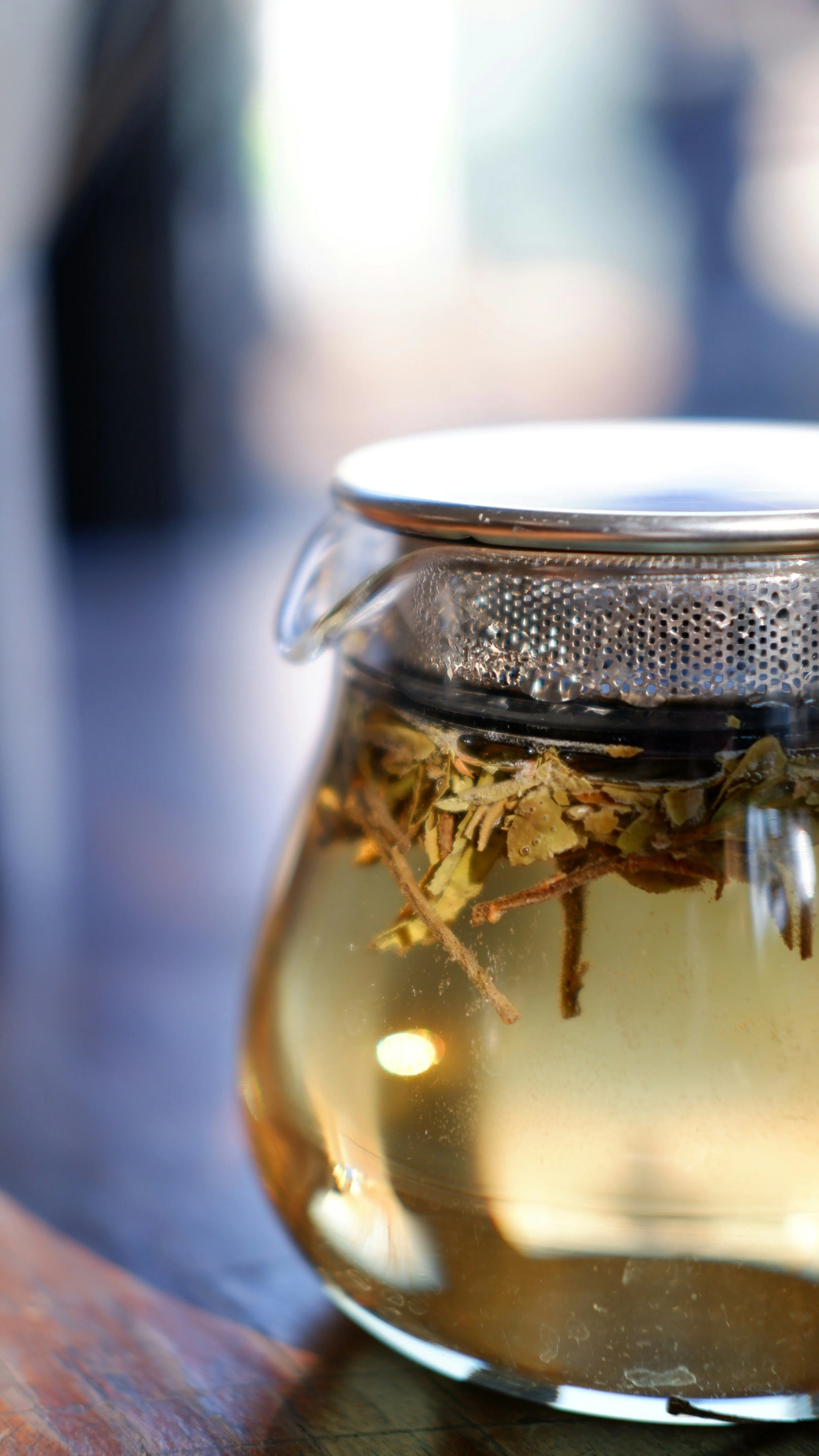
🌿 Tea: A simple infusion of hot water and plant material. Standard dosage suggests a generous teaspoon (25 g) of dried herb per 8 oz of water for infusions up to 3 times daily.
🌿 Herbal Bath or Shower Rinse: An herbal bath or shower rinse is basically a very strong tea but for the body. Find instructions for making your own herbal bath or shower rinse here.
🌿 Extracts: Also known as tinctures, extracts are often made with alcohol, but there are alcohol-free versions available, too (such as glycerites made with vegetable glycerin or vinegar-based extractions). If you want to make your own tinctures, you can either make them folk style or weight-to-volume, but tinctures are also widely available for purchase. You can find a thorough tutorial for making alcohol-based tinctures here. Standard dosage suggests for adults 20 - 60 drops (about 1 to 2 dropperfuls) up to 3 times daily. For managing stress, I have found equally good success with many folks at much lower dosages at 5 - 10 drops up to three times daily.
🌿 Capsules: Herbal capsules can be an effective alcohol-free way of taking your herbs, but it's important to note that the herbal powder within capsules degrade in quality faster than any other suggested form of remedy on this list. Make sure to purchase your capsules from reputable companies, keep them stored in a cool, dark place, and follow dosage guidelines on the bottle for use.
In general, the plant allies I've suggested work best over an extended period of time, so they are less useful, for example, when taken for the first time a night before the exam and more effective when taken regularly in the weeks leading up to a test. Though, a cup of tea full of herbs that support cognition and focus may also be helpful if you're drinking it for the first time the night before a paper is due - if anything it'll be helpful just for the sensory comfort of a hot cup of tea at a stressful time.
While herbs are incredible allies, none of them are a replacement for the essentials: good rest, fresh food, and regular movement. But we are not trying to be puritanical about any of these three essentials (especially when not everyone has equal access to them), only trying to increase them in our day-to-day life where we can and in ways that feel good enough.
Find out what works for you, work with an herbalist or herbally-enthusiastic friend with a bookshelf full of well-written herb books (that's how I got my start!), and enjoy this gentle way of making your student life just a little bit easier.
🌿
If you're looking for a few recipes, you might like one of my favorite tea recipes featuring brain tonics and nervines or this collection of recipes for finding inspiration, restoring sleep cycles, and helping the nervous system recoup after a period of burnout. If you'd like to view my full collection of plant profiles, come this way.
For those of you wanting to become herbal students yourselves, here is a great place to start.
Wishing you lots of support and clarity and plenty of goofy late night inside jokes that'll fuel your friend group for years as you study for whatever comes next!

This post was made possible through patron support.
❤︎ Thanks, friends. ❤︎
📚
Footnotes
1. "Low moods" is used to describe feelings of lethargy, overwhelm, and/or inertia within the realm of normal (these moods, for example, are often lifted by a change in scenery, doing something pleasurable, moving your body, etc) and not depression that feels difficult to get out from under. While herbs can certainly be used as an effective complementary therapy alongside mental health services and additional medication, they are not a replacement. You deserve support and places like the Crisis Text Line (Simply text HOME or HOLA to 741741) can be a good place to start.
2. Thomas Bartram, Bartram's Encyclopedia of Herbal Medicine (London: Constable & Robinson Ltd, 1998), 394.
3. Nicholas Culpeper, and J. J. Pursell, Culpeper's Complete Herbal: A Compendium of Herbs and Their Uses, Annotated for Modern Herbalists, Healers, and Witches (Portland, OR: Microcosm Publishing, 2022), 42.





.jpg)

_(6025981444).jpg)