• Home
  • Offerings
    • My Book
    • Magick Mail (It's Free!)
    • The Lunar Apothecary
    • The Tarot Apothecary
    • The Plant Ally Library
    • Solace: Herbs for Sensitive People
    • Begin With the Breath
    • The Green Bottle Method
    • Gatherings
    • Patreon
  • Blog
    • most recent
    • plant allies
    • astroherbology
    • moon studies
    • recipes + tutorials
    • magickal arts
    • tarot + divination
    • sliding scale
    • archive
    • search
  • About
  • FAQ
  • Search
  • More
    • Support the Work
    • Calls to Action + Resources
    • Recommended Reading
  • Home
  • Offerings
    • My Book
    • Magick Mail (It's Free!)
    • The Lunar Apothecary
    • The Tarot Apothecary
    • The Plant Ally Library
    • Solace: Herbs for Sensitive People
    • Begin With the Breath
    • The Green Bottle Method
    • Gatherings
    • Patreon
  • Blog
    • most recent
    • plant allies
    • astroherbology
    • moon studies
    • recipes + tutorials
    • magickal arts
    • tarot + divination
    • sliding scale
    • archive
    • search
  • About
  • FAQ
  • Search
  • More
    • Support the Work
    • Calls to Action + Resources
    • Recommended Reading

Worts & Cunning Apothecary | Intersectional Herbalism + Magickal Arts

The Sliding Scale: How To Implement a Sliding Price Scale Online

December 08, 2022  /  Alexis J. Cunningfolk

I love writing about the sliding scale and financial accessibility, but I didn't expect that my two previous posts on the subject would not only be some of my most read of mine, connecting me to lovely folks all over the world. There's still a big need for resources on the sliding scale and financial accessibility in business so I'm working on expanding my original posts into a bigger community course (i.e. a donation-based course on sliding scale, financial accessibility, and thinking about money in a way that makes sense for you and your community). If that sounds like something you're interested in then sign up for my newsletter for updates.

In the meantime, I wanted to write a short post on one of the questions I've been getting again and again: 

A sliding scale sounds great, but how do I implement one on my website?

First of all - great question! There are a few options that I've used myself and come across online. Of course, anything you choose to do depends on the type of platform you're using, so I've tried to keep my recommendations general enough to allow for their usefulness across multiple platforms. However, no matter how you end up offering a sliding scale online, a lot of the success of your clients using the scale in a way that benefits you both is by being clear about your expectations and parameters of use. You can learn more about these things in the first, second, and third part of the sliding scale and financial access series. Now, on to the practical bits!

sliding scale

image via @ninaluong

Managed vs Unmanaged

If your platform allows it, the easiest way to implement a sliding scale is to list multiple price tiers for a single item with each price corresponding to one part of your sliding scale. There are two variations to this: the unmanaged sliding scale and the managed sliding scale. An umanaged sliding scale would mean that you offer your service from $0 on up without restrictions on either end (i.e. someone can pay $5 for a service while another person pays $65 and there is no minimum or cap to what someone can pay). You'll sometimes see this type of sliding scale called "Name Your Price" or "No One Turned Away for Lack of Funds." Some online shop platforms allow a Name Your Price option, but if yours doesn't a workaround is to use a third party platform to set up a donation button for your services where folks choose their own price that way. I have a donation button set-up on my support the work page if you want to see an example of this (and some questionable poetry).

I have used the unmanaged sliding scale model both online and in-person in the past and found that clients have found the amount of un-guided choice to be very stressful which is why I tend to use a managed sliding scale. A managed sliding scale involves listing a few prices that you choose and that reflect different points on your sliding scale (i.e. $5 for the low end of the scale, $10 for the middle, and $15 for the top end). Managed sliding scales can be as wide or narrow as you like and you can see an example of a wider sliding scale on my Begin With the Breath course and a narrower sliding scale for my Solace course. You can also check out my old listing for my Samhain Oracle where I listed out dollar amounts from $1 to $21. I talk more about the managed sliding scale and why I like it over here.
sliding scale guide

image via @jorae

Discount Codes

The other way to offer your sliding scale online is to list one standard price and then offer discount codes for folks to use to access different parts of the sliding scale. I first learned about this technique within the world of knitters  (specifically through Jessa Maed who now offers access to discount codes once you sign-up for their mailing list which is a great way to build a newsletter community). You can see an example of a sliding scale accessed via discount code on Francoise Danoy's Aroha Knits page (also, you're welcome, dear readers who are also knitters and who have not yet discovered Francoise's or Jessa's knits). I recently used this technique for my annual fundraiser - where I sold a series of ebooks - and on the backend it was super easy to implement and folks seemed to find it easy to use. Here is the language that I used on my listing:

  • Check out my Sliding Scale Guide below to help you find the price for you. The suggested price is $9. You are invited to pay less or pay more as you are able.

  • The current listing price is set at $12 which is the Pay-It-Forward price.

  • Use the coupon code JOYFUL to purchase at $9.

  • Use the coupon code ABUNDANT to purchase at $3.

guide to the sliding scale

image via @dirtjoy

The Language of Your Scale

The language we use around money, financial access, and our sliding scales is one of the ways you help folks not only understand your own values, but a way to help folks feel empowered. I'm always adjusting the language on my course sales pages as I learn how to more clearly articulate how to use the sliding scale, why I use the sliding scale, and the feeling of confidence I hope folks feel when they're engaging with my sliding scale. It is a constant work in progress and I even spent a long time trying to figure out for this post if "managed" versus "unmanaged" was too formal and binary but then reminded myself that I can use the language I have right now and adjust again in the future.

For me, it's important to try and tie the concept of my scale and pricing to the greater Worts & Cunning learning community, so I use words like "support" and "community supported" to describe different levels of my scale (you can see this in action for my Solace and The Plant Ally Library courses). I also use the concept of Pay It Forward in my sliding scale because it feels empowering to folks who have the means to not only access a course they want to take but help others access it, too. Here is the current language I use for my sliding scale:

  • Standard Membership: The actual cost of the course

  • Supported Membership: For students on the low end of the sliding scale

  • Extra Support Membership: The most supported membership price for those on the lowest end of the sliding scale. (This is only available for part of the year - see details below.)

  • Pay It Forward Membership: Cost of the course plus a little extra to help create access to the course

Through my sliding scale I hope to communicate to folks that I want to support their ability to access my work and want them to feel welcomed in from the start of their journey as a student in my courses. As you create and adjust your sliding scale its important to not only keep in mind the financial parameters of the exchange but what you're feeling about your sliding scale and how people are using it as well as how you hope those accessing your sliding scale might be feeling.

Expanding and Contracting Your Sliding Scale

At different points of the year, I extend my sliding scale options for folks who need extra financial support and this allows me to create deeper access in a way that is also sustainable for my business. I announce sales, extended sliding scale, and payment plans at the end of one calendar year for the next calendar year which helps to reduce feelings of scarcity or pressure buying. For example, twice a year you can access Solace, which is a $36 course, at an "Extra Support Membership" of $12. I make sure that information is posted about this year round on the FAQ as well as the Creating Access section of the Solace sales page.  

Either version of a managed or unmanaged sliding scale (or a mildly managed sliding scale to be more accurate) can have boundaries put in place including limits around how many tickets, sessions, products or whatever it is that you offer are available at each price point. I go into this more on my post How to Make the Sliding Scale Better for You & Your Clients but essentially with a managed sliding scale you can say that three spots are available at $5 versus five spots available at $10 while a unmanaged sliding scale might look more like three spots are available at the $5 and under option and five spots are available within the $6 to $10 range and so on. I host my classes through teachable and they allow you to cap enrollment for different price points and I'm sure other online course hosts offer the same. I especially like creating these boundaries with my sliding scale for my in-person offerings where I have to cover expenses like travel, renting a space, class supplies, and so on.

I've expanded and contracted my sliding scale through the seasons for a few years now and I enjoy the rhythm of knowing that I can create more access in as stress-free and sustainable a way as possible. As you experiment with what works for you, know that your sliding scale and the way that you exchange money for resources and define your pricing is a living energy within your business that needs to be honored, changed, and adjusted as needed. 

Some questions to consider when incorporating a sliding scale into your practice:

Why do I want to use a sliding scale?

What form of sliding scale feels the most supportive to me and my community? 

What worries me about using the sliding scale?

What excites or interests me most about using the sliding scale?

How does using the sliding scale support my ability to create a sustainable and values-aligned practice?

How do you want a possible client to feel when they are learning about and participating in your sliding scale?

᠅

These are the easiest ways I have seen the sliding scale implemented online, but let me know in the comments if you do things a different way. This post was inspired by questions left in the comments of my previous sliding scale posts, so if you have questions about the sliding scale, implementation, and financial accessibility in general, leave them down in the comments and I'll get to them as I can.  

Thank you for all of your support, encouragement, and kind words about my work around the sliding scale and especially for letting me know that so many of you have found it useful. That's the best feedback and I hope you find the system that supports your ability to thrive in your work. 

As we imagine a culture beyond the confines of capitalism, I hope that you’re able to access these visions of a more just and more kind world with greater ease and steadfastness. May our acorn dreams be the trees which shelter our descendants.

This post was made possible through patron support.
❤ Thanks, friends. ❤

 
magick mail newsletter logo

We respect your privacy.

Thank you for signing up for Magick Mail! Once you have confirmed your subscription to the list you will gain access to our member's only apothecary.

9 Likes
categories / revolution, path of the herbalist
tags / sliding scale series, sliding scale guide, sliding scale, sliding scale for private practice, green bottle sliding scale, how to create a sliding scale, sliding scale pricing, the green bottle method, the green bottle, what is the green bottle method

Seeking Horizons: Tarot and Tea for Sagittarius Season

November 22, 2022  /  Alexis J. Cunningfolk

sagittarius season tarot

Welcome to Sagittarius Season and my latest post on tarot practices and herbal allies for the twelve seasons of the zodiac (you can learn more here).

The season of Sagittarius guides us from the end of one season to the next (from autumn to winter in the northern hemisphere and from spring to summer in the southern hemisphere), moving as a traveler does onto the next adventure. The horizons are calling when Sagittarius season arrives and we learn about our world by journeying to places where disparate energies meet and figuring out who we are by how we meet them. Where Scorpio season can bring the intensity of sticking around to figure something out, Sagittarius brings an equally intense restlessness to explore something elsewhere. 

Sagittarius is a mutable fire sign which means that it carries the energy of adaptability, philosophizing, and curiosity (Gemini, Virgo, and Pisces are all mutable signs as well). Mutable signs like Sagittarius help us to welcome change as a regular and much-needed part of life - and Sagittarius is particularly excited about what adventure awaits with any change expected or not. The deep reflective nature of Scorpio season has given way to the need to move and change environments, views, and perspectives that Sagittarius season brings. The season of Sagittarius helps us to test out the philosophies we explored during Scorpio season and see how they hold up in unfamiliar environments and situations. Sagittarius helps us to learn where our daring lies and the core of who we are when we step out beyond our comfort zone.

With Sagittarius energy we learn about what experiences we are lacking in order to grow. It's not that Sagittarius energy is particularly good at pinpointing specifically what needs to be known in order to develop as a person, but it does carry the energy of the open-hearted explorer who is willing to give many experiences a try in an effort to learn what it is they need. The energy of Sagittarius is of optimism and hope, which is vital to cultivating change in the world and discovering creative solutions for complex needs.  Sometimes too much Sagittarian energy can lead to mistaking excess bravado for expertise leading to an insensitivity towards the needs and experiences of others. Or forgetting that they're not the only traveler on the road and the world is not simply there for them to discover themselves - but to be discovered and known, in turn, within community. Learning how to use the fiery energy of Sagittarius as a guiding lamp helps to control the more rash impulses of Sagittarian energy. For it is through the energy of Sagittarius that we experience wisdom only gained through moving beyond the known into the unknown. 

sagittarius season tarot

Seeking Horizons
Sagittarius Season Tarot Spread

The energy of Sagittarius can often feel like you're constantly being pushed towards the next horizon - which can be really exciting or really exhausting or a bit of both depending on what your life is like. New places, perspectives, and peoples are the siren call of Sagittarian energy and Sagittarius helps us to move beyond what we know so that we might know more. To move freely requires us to first understand what freedom means in our lives.

Sagittarius asks us, "What makes you feel free?"

Ultimately, Sagittarius teaches us about liberation - liberation from restrictive beliefs (both our own and those of others placed upon us), liberation from suffering, liberation from our own fears. It's a big task which is why the energy of Sagittarius can feel so restless and constantly in motion. But at the center of all its seeking, Sagittarius keeps an eye on both the horizon and the compass which points the direction home again to where all are free and none suffer. So with those big ideas in mind, the following tarot spread helps us to name the horizon that we're seeking and grow our capacity to experience liberation in our life.

Card 1. That Which I'm Seeking

This card helps us better understand horizons we are currently seeking in our life and what they mean to us.

Card 2. That Which Seeks Me

Just as we seek, so we are sought, and this card highlights the energies that are calling to us that we may or may not be aware of, but which seek to help us in some way on our journey.

Card 3. That Which Blocks My Vision

This card shows us something which blocks our ability to move freely to whatever horizon is calling to us.

Card 4. That Which Protects My Light

This card helps us understand what in our life protects the lamp which guards our inner light, our inner compass. Often this is something which we could affirm more about ourselves and our life and welcome in with greater intentionality.

Card 5. A Message for Sagittarius Season

A general message, signs to pay attention to, and perhaps next steps to take as we move into Sagittarius season. This card can highlight energy which you might bring more into your life during Sagittarius season so that you are better able to connect with the energetic flow of the next month.

Bonus Card: That Which Guards the Hips

If you feel connected with the philosophy of astroherbology you can pull an additional card to help you understand the current energies of your hips, including physical experiences and energetic ones, what tension or wisdom you might be keeping there. I encourage you to take a somatic approach with this card - when you pull it and see the energy, follow the feelings and sensations that it evokes from your body to understand its meaning. 

sagittarius herbs

image via @jackieboylhart

A Tea for Sagittarius Season

How do we nourish the energy of Sagittarius? Traditionally, Sagittarius guards the hips, thighs, sciatic nerve, and autonomic nervous system (click here for a full list of traditional correspondences for Sagittarius). As a season of the body in motion, the mind philosophizing, the spirit traveling, and the emotions seeking, Sagittarius needs a well-rounded, going-to-meet-a-lot-of-needs sort of tea. Fortunately, herbs like Sage (Salvia spp.) act as a panacea, being endlessly useful for any number of ailments, but also just supporting the wisdom-seaking needs of Sagittarius. Lemon Balm (Melissa officinalis) helps to temper the energy of the season while supporting Sagittarius' inherent hopefulness and tending to the nervous system as well. Finally, Calendula (Calendula officinalis), brings in a spark of brightness to the blend, while also contributing much needed anti-inflammatory qualities to take care of the body in motion.

  • 4 parts Lemon Balm (Melissa officinalis)

  • 1 part Sage (Salvia officinalis)

  • ½ part Calendula (Calendula officinalis)

These proportions are only suggested guidelines, so feel free to play around with them to your liking. As you make your tea, slow down, breathe deep, and infuse the blend with your intentions for the season (or whenever you’re drinking this tea to connect with the energy of Sagittarius). If you’re looking for more breathwork practices to help you connect with the energy of the season, come this way.

sagittarius tarot

image via @dmjdenise

Seasonal Reflections

What does the land feel like, look like, smell like this season?

What is coming to the surface from within me?

What is receding within me?

What am I feeling grateful for?

What am I grieving for or feeling challenged by?

What am I feeling inspired and where is it calling me to this season?

What am I calling to me?

What am I called to give?

♐️

Want to learn more about the magick and astroherbalism of Sagittarius? I’ve written a full profile on the sign for you to enjoy. You can also check out the rest of my seasons of astrology series. If you want to dive deeper into the world of tarot, plant allies, and astrology, come this way.

While I didn't mention it in the tea recipe, another herb that I love for Sagittarius season and for Sagittarian energy in general is Mullein (Verbascum thapsus) which has long been associated with traveling as the leaves provide a comforting pad to walk on. The herb is useful for alleviating musculoskeletal pain as well as being a great respiratory tonic (which is needed when exposed to new germs among new places).

May your Sagittarius season find you in the right place at the right time having just the right amount of adventure.

This post was made possible through patron support.
❤ Thanks, friends. ❤

 
magick mail newsletter

We respect your privacy.

Thank you for signing up for Magick Mail! Once you have confirmed your subscription to the list you will gain access to our member's only apothecary.

0 Likes
categories / astroherbology
tags / sagittarius, sage, sagittarius season, sagittarius herbs, sagittarius tarot, astrological body, astroherbalism, astroherbology, astro seasons, lemon balm, seasons of astrology, calendula, astrology herbalism

Liberatory Rest: California Poppy Plant Profile

November 11, 2022  /  Alexis J. Cunningfolk

california poppy plant profile

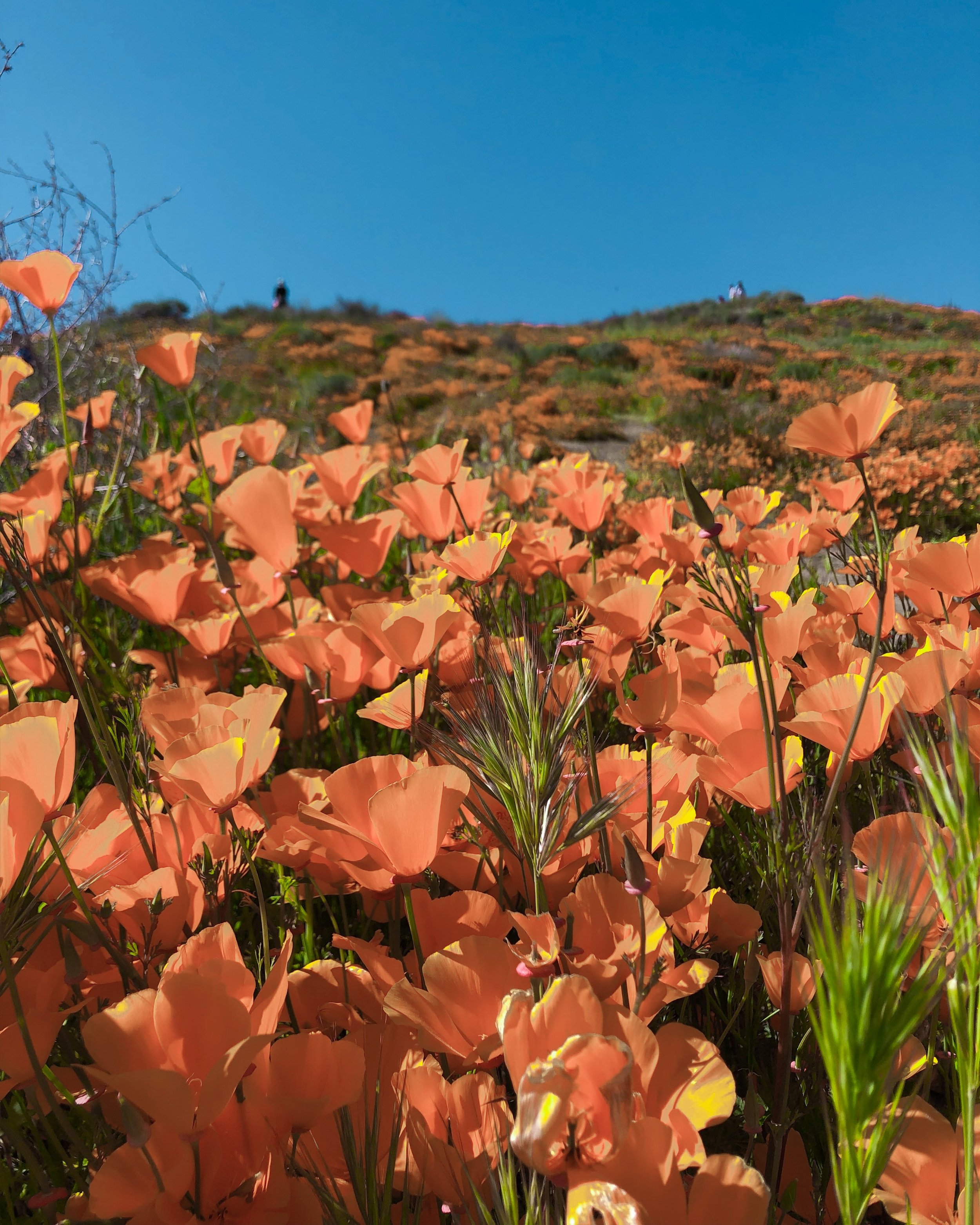
California Poppy (Eschscholzia californica) is a beautiful flower growing in the hot and dry areas of the Golden State, covering hillsides in their orangey-yellow glow. An ally of the restless and a provider of deep sleep, I’ve come to know them best living up in the northern part of California where they freely grow on hillsides, front yards, and sidewalk cracks.

In many ways, California Poppy reminds me of Dandelion (Taraxacum officinalis) which shows up in unexpected places, often in very low quality soil, and thrives. While Dandelion is known for its gifts as a digestive bitter, California Poppy works in many ways as a sleep bitter, helping us to process the stress of the day, release it, and move on into a state of rest and relaxation.

Ready to learn more? Come this way…

image via @megaanmarie

California Poppy
(Eschscholzia californica)

Common + Folk Names : Flame flower, gold poppy, copa de oro, dormidera

Tarot Cards : The Moon, The Hanged One, The Star, 4 of Swords (find out more about the connections between the tarot and herbalism)

Element : Air, Water

Zodiac Signs : Pisces (Guardian & Remedy), Gemini (Remedy), Aquarius (Remedy)

Planet : Sun, Moon, Mercury

Moon Phase : All Phases

Parts Used : Aboveground parts.

Habitat : Native to southwestern United States.

Growing conditions : Full sun in poor, well-drained soil.

Collection :  In spring and summer when in flower.

Flavor : Bitter

Temperature : Cool

Moisture : Dry

Tissue State : Heat, Tension (learn more about traditional western herbalism energetics)

Constituents : Flavonoids, alkaloids, carotenoids, volatile oil.

Actions : Analgesic, anodyne, anxiolytic, antispasmodic, febrifuge, hypnotic, nervine, sedative, soporific, uterine stimulant.

Main Uses : A beautiful wildflower that covers hillsides throughout the Golden State, California Poppy has long use as an herb of relaxation, nervous system restoration, and sleep for both adults and children. If you're looking for an herb to help reset disruptive sleep patterns but have found other herbs like Valerian (Valeriana officinalis) or Passionflower (Passiflora incarnata) leaving you too drowsy, California Poppy might be a good ally to work with. I find it to be less sedating but just as relaxing as the other two herbs mentioned which can be useful for folks who are more sensitive to the effects of herbal medicine.

The plant can be used internally as a tea or tincture, but it also makes a lovely compress when it comes to supporting sleep. After taking the tincture, use an herbal compress (with a few drops of tincture added to it if you like) along the spine before bed to help calm the nervous system and bring on sleep (make it extra special by listening to calming music, combining with breathwork, and/or being read to). Of course, if you're struggling with a chronic pattern of disruptive sleep it's important to reach out beyond herbal medicine and seek additional modalities like therapy and/or bodywork to help you invite healthy sleep patterns back into your life again.

One of the ways that California Poppy helps us to get a good night's sleep is that it helps to bring energy down from the head to our roots, calm racing thoughts, and reduce pain that can come with restlessness. California Poppy is a nervous system restorative and when combined with other herbs like Milky Oat (Avena sativa) it can be used in low doses on a daily basis to help recover from burnout or a period of intense stress. Consider combining with herbs like Vervain (Verbena officinalis, hastata) if there is excess tension and a tendency to overwork or Skullcap (Scutellaria lateriflora) if there is excess anxiety and racing thoughts. Combine with Hawthorn (Crataegus monogyna) if heart palpitations are also present. Can be used in small doses for children who struggle with hyperactivity and restlessness, especially at bedtime.

The flower helps to reduce pain not only as a nervous system restorative but as a cooling anti-inflammatory. Useful in cases of arthritis, shingles, hypertension, menstrual cramps, tension headaches, and toothache. Use internally as well as externally as a compress or in baths. Traditionally used by the ʔívil̃uqaletem in small doses for cases of colic in infants.

With children, California Poppy can be useful for restlessness and insomnia as well as bedwetting or enuresis. One of the indications for California Poppy for enuresis in children is "nervousness" but I think a more modern term would be dysregulation - there is a restless and dysregulated nervous system which can lead to poor sleep, bedwetting, and so on. California Poppy can be useful in the treatment of ADHD in the young but I highly recommend working with a skilled practitioner to help you formulate the right blend as sedating herbs like California Poppy can sometimes feel more disrupting than useful.

Topically, the herb can be used for inflamed conditions of the skin from acne to eczema. Use as a wash or in herbal baths or steams. The flowers can be made into an herbal oil and used in the scalp to calm irritated skin and help promote hair growth especially when stress is causing hair loss. Combine the tincture with St. Joan's Wort (Hypericum perforatum) herbal oil for a topical treatment for nerve pain.

california poppy magickal uses

image via @theeastlondonphotographer

Magickal Uses : Use California Poppy to help you achieve a magickal flow state for ritual, divination, and more. Especially useful when combined with Rose (Rosa spp.). Use in charms for bringing good dreams, psychic vision, and in trancework. A good addition to Moon spells of all kinds.

The California Poppy Personality : One of the ways of understanding the California Poppy personality is to compare it to Vervain (Verbena officinalis) folk. There is a tension present in both types of folk leading to a rigidness of opinion and belief. With Vervain folk this rigidness can be tied to more acceptable forms of tension (i.e. workaholism) whereas with California Poppy folks the tension is more often about the restrictiveness of the radical. They often start of as restless spiritual seekers, perhaps suffering from the insomnia of the soul, but find themselves becoming rigid in their spiritual seeking, often attaching to one form of practice, devotion, teacher, and/or school of thought which requires extremes in behavior. Their seeking is externalized (i.e. the wisdom I seek is out there in someone or something other than me) and working with California Poppy can help them to relax into their own internal wisdom, reconnect with their intuition, and rest deeply in the process. Herbalist Anne McIntyre describes California Poppy's effect as helping folks to "develop a more solid inner life" and I've found this to be true.

One of the costs of extreme devotion to outside forces is disconnecting from one's gut feeling of when boundaries are being violated or beliefs have become nonsensical to the point of harm. California Poppy acts as a restorative to the spiritual nervous system, calling home the intuition, releasing folks from the ceaseless wakefulness harmful belief systems (and the media systems that keep us hyperconnected) to come home to a restful ease of the soul at home with itself.

Contraindications : Avoid in pregnancy and breastfeeding. Contraindicated in glaucoma.

Drug interactions : Do not take if on MAOIs.

Dosage : Standard dosage.

᠅

If you would like an easy to access, downloadable, and printable version of this and all of my plant profiles you can find it in The Plant Ally Library.

For the month of November I’m hosting a fundraiser for BIPOC herbal education. If you love my writing and would like to support a great cause at the same time, please donate if you can.

I hope you get to meet and work with the lovely remedy that is California Poppy one day or deepen your relationship with them if you’re already acquainted. What are some of your favorite flower remedies?

cunningfolk signature

This post was made possible through patron support.
❤ Thank you, friends. ❤

 
magick mail newsletter

We respect your privacy.

Thank you for signing up for Magick Mail! Once you have confirmed your subscription to the list you will gain access to our member's only apothecary.

4 Likes
categories / plant allies
tags / california poppy, Eschscholzia californica, plant profile, california poppy plant profile, plant ally, milky oat, avena sative, vervain, verbena officinalis, skullcap, scutellaria lateriflora, hawthorn, crataegus monogyna, st joan's wort, hypericum perforatum

Diving Deep: Tarot and Tea for Scorpio Season

October 23, 2022  /  Alexis J. Cunningfolk

scorpio herbs

Welcome to Scorpio Season and my latest post on tarot practices and herbal allies for the twelve seasons of the zodiac (you can learn more here).

Scorpio is a sign of depth which is reflected in the fact that its season arrives during the depth of autumn (for the northern hemisphere) or spring (for the southern hemisphere). Past the balance of Libra, which always seeks to balance multiple needs at once, Scorpio draws us beneath the surface and into what interests us most, to know ourselves and our worlds intimately. If Libra is an exhale, and the harmonizing of sound and breath in the wider community, Scorpio is the inhale, drawing in the relationships and patterns of relating that are most present and powerful in our lives.

Scorpio is a fixed water sign which means that it carries the energy of steadfastness, intensity, and strength (Taurus, Leo, and Aquarius are also fixed sign). While cardinal signs like Libra may introduce us to a new season, a new perspective, a change of pace, and mutable signs like Gemini may entice us away to a season or place over there, fixed signs like Scorpio help us to settle and get to know a season through and through. If Libra season helps us to recognize that there is so much beauty to know in the world, it is in the season of Scorpio that we form a long(er) term relationship with whatever beauty we are drawn most intensely to (and the beauty that draws itself most intensely to us). The season of Scorpio helps us to discover what it is that we are most curious about and what we want to learn about in-depth. Sometimes this is part of our life calling, sometimes it is a passing but important lesson, but the energy of Scorpio is always felt most acutely when we allow ourselves to be as focused and invested in something as we are called to be.

Learning and living our intensity is not always easy or comfortable. Allowing ourselves to be drawn into that which most interests us (including our own understanding of ourselves and our identities) can create schisms between the life that we were once living and the life we are beginning to live anew. But that's the nature of the season. For fixed sign seasons, where we are in the depth of a particular earthly season, there is no denying that what once was has passed and our new reality is here (i.e. the heat of summer has long given way to the cool damp of autumn and we need to change our habits accordingly). Sometimes our intensity drives us instead of us using it like a compass. Other times fear or shame is stirred up as we realize that the space we need for our curiosity and life calling isn't available in our current life. Too much intensity can cause rigidity, hubris, and an overdeveloped need to control our surroundings - things to guard against on any Scorpio adventure. But with care, the season of Scorpio can help us open up to the wonders of the world that can only be discovered when we spend time in the depths of wondering.

Diving Deep Scorpio
Season Tarot Spread

The quickest way to block Scorpio energy is to deny the time and space it needs to percolate, explore, and engage with an interest. Stagnated and frustrated Scorpio energy is something that shows up a lot in healing work. Many of us live within cultural systems that keep us overworked and underpaid, starved of time to just pursue that which we're interested in. Other times we've been skimming the surface of interests for so long that we don't know where to look to go deeper. We sense that a door to the mysteries we seek is out there somewhere, just beyond our peripheral vision, but it remains hidden. Scorpio energy helps us to understand that one of the ways to find your hidden door is to know what must change in order to unlock it.

Scorpio asks, "What needs to be transformed in your life for you to live more deeply?"

Understanding the need for transformation in our lives helps us to find the key which opens up the door of our curiosity to worlds we've yet to know. Intuition is required, compassion always, and more than a bit of bravery. The following spread helps us to find the hidden door to the places and spaces that we are being called to explore in more depth in our lives.

Card 1. The Hidden Door

This card helps you to glimpse at the hidden door which is calling to you. Listen to your intuition with this card, as its true message may be buried beneath the noisiness of your analytical mind.

Card 2. That Which Hides the Door

A card to help you understand what hinders your ability to live more deeply as you are called to, including pursuing the transformation that is necessary in your life.

Card 3. That Which Needs Transforming

This card illuminates the part of your life - a habit, a pattern of thought, a relationship, and so on - that is in most need of transforming.

Card 4. That Which Opens the Door

A card which gives a glimpse of what you need in order to open the hidden door and move through it. Sometimes this card will make startling sense, other times it may seem opaque in its meaning - take note of it either way and allow its meaning to come to you in other avenues of your life. Think of this card like a bit of a spell, something to start the process of unlocking your hidden door.

Card 5. A Message for Scorpio Season

A general message, signs to pay attention to, and perhaps next steps to take as we move into Scorpio season. This card can highlight energy which you might bring more into your life during Scorpio season so that you are better able to connect with the energetic flow of the next month.

Bonus Card: That Which Guards the Reproductive System

If you feel connected with the philosophy of astroherbology you can pull an additional card to help you understand the current energies of your reproductive system, including sex organs, including physical experiences and energetic energies and what tension or wisdom you might be keeping there. I encourage you to take a somatic approach with this card - when you pull it and see the energy, follow the feelings and sensations that it evokes from your body to understand its meaning. 

herbs for scorpio

image via @klim11

A Tea for Scorpio Season

How do we nourish the energy of Scorpio? Traditionally, Scorpio guards reproductive function as well as our sex organs (click here for a full list of traditional correspondences for Scorpio). Much of Scorpio energy feels intense because it is about the propagation of life and the desire to live. For all their beautiful intensity, Scorpio is able to locate the tenderness of the world (and our individual lives) with great precision. When supported, the energy of Scorpio can be one of great repair as our curiosity leads us to finding out what needs most healing in our life and how to go about doing it. Thorn magick plants like Hawthorn (Crataegus monogyna) and Rose (Rosa spp.) which simultaneously protect and open the heart are wonderful Scorpio plant allies. Sacred Basil (Ocimum sanctum) brings in much needed flexibility of spirit through its adaptogenic qualities as well as helping us to guide the intensity of Scorpio energy instead of being overwhelmed by it. All herbs support our ability to open up to that which we desire most - a very Scorpio trait indeed.

  • 4 parts Sacred Basil (Ocimum sanctum)

  • 2 parts Hawthorn Berry (Crataegus monogyna)

  • ½ part Rose (Rosa spp.)

These proportions are only suggested guidelines, so feel free to play around with them to your liking. As you make your tea, slow down, breathe deep, and infuse the blend with your intentions for the season (or whenever you’re drinking this tea to connect with the energy of Scorpio). If you’re looking for more breathwork practices to help you connect with the energy of the season, come this way.

scorpio season

image via @francesco_ungaro

Seasonal Reflections

What does the land feel like, look like, smell like this season?

What is coming to the surface from within me?

What is receding within me?

What am I feeling grateful for?

What am I grieving for or feeling challenged by?

What am I feeling inspired and where is it calling me to this season?

What am I calling to me?

What am I called to give?

♏️

Want to learn more about the magick and astroherbalism of Scorpio? I’ve written a full profile on the sign for you to enjoy. You can also check out the rest of my seasons of astrology series. Looking for some more visual inspiration? Come have a look at my mood board for Scorpio season.

Another Scorpio herb that I think is a useful one for many folks is Nettles (Urtica dioica). If you're going to be plumbing the mysteries, it's good to have the herbal equivalent of a multivitamin on your side, and Nettles is just that and more. For those who struggle with the inflexibility that Scorpio energy can bring or an intensity that feels run amuck, consider connecting with Vervain (Verbena spp.).

May your Scorpio season be full of revelation and many interesting things to learn more about.

This post was made possible through patron support.
❤ Thanks, friends. ❤
 
magick mail newsletter

We respect your privacy.

Thank you for signing up for Magick Mail! Once you have confirmed your subscription to the list you will gain access to our member's only apothecary.

3 Likes
categories / astroherbology
tags / seasons of astrology, scorpio, scorpio season, scorpio plant allies, scorpio herbs, scorpio tea, scorpio tarot, astrology, rose, sacred basil, hawthorn, astro seasons, astroherbalism, astroherbology, astrological body, astrology herbalism

The Plant Allies of Autumn: How to Create an Autumn Wellness Apothecary

October 03, 2022  /  Alexis J. Cunningfolk

herbs for autumn

In the final post of my seasonal wellness apothecary series, it's time to explore the healing needs that often appear when autumn arrives. The heat of summer gives way to the cooler days and nights of fall, where the wheel of the year turns ever deeper into the dark. Autumn can mark a time of increased exposure to germs (often through returning to school or work after break), but some simple preparations can prevent a great deal of discomfort. 

As with my winter, spring, and summer apothecary posts, I've organized my recommendation by herbal actions such as bronchodilators for asthma that intensifies at the change of seasons. As always, I've tried to highlight herbs that are easy to access (especially in North America, where I am writing this from) and/or inexpensive to grow yourself, but hopefully you'll feel inspired and able to work with herbs local to your area. While I've linked to full plant profiles throughout this post, you'll find full, printable profiles of nearly every herb featured in my apothecary series available in The Plant Ally Library.

Ready for some autumn healing? Let's explore some of the common ailments and the plant allies we can connect to during the season of fall. 

image by author

Ready For What Lies Ahead: Cultivating wisdom and supporting brain health 

Herbal Actions: Nootropics, nervines, and adaptogens.

While I have written about brain tonics in my spring apothecary post, I wanted to mention a few more that I particularly like working with during the autumn and growing winter of the year. 

Gingko (Gingko biloba): A great ally for brain health in general, but especially for older folks. Within Ayurvedic tradition Gingko is considered a rasayana or restorative tonic for the mind. (1) It is a helpful remedy for brain fog, poor memory, and the anxiety that can accompany both. I like working with Gingko as an ancestor plant as it is an ancient tree that has been on this planet for nearly 300 million years, making it a particularly potent ally to work with during the season of harvest and ancestors.

Peppermint (Mentha piperita): Another brain tonic that I turn to during the autumn and winter is Peppermint. I love this easy-to-grow, distinctively scented plant ally for its ability to wake up the senses and stimulate focus. As someone who doesn't use a lot of stimulating herbs in their personal practice, I like the Peppermint is energizing while still being grounding, which is the perfect blend for when I need to focus on a project. 

Other brain tonic plant allies to consider are Milky Oat (Avena sativa) when there is brain fog due to nervous system exhaustion, Sage (Salvia spp.), Rosemary (Salvia rosmarinus), and Skullcap (Scutellaria lateriflora).

herbs for autumn

image by author

Tending the Soul Shrine: Supporting the health and beauty of our skin

Herbal Actions: Vulneraries, astringents, and nervines.

While I've already written about more first-aid and post-sun exposure treatments in my summer apothecary post, the following plant allies are generally supportive of skin health and radiance, helping to cocoon our skin in healing remedies as the weather turns cooler.

Rose (Rosa spp.): My absolute favorite skin for skin wellness and radiance, I love using Rose in all of its forms. Rose hydrosol is a wonderful way to clean and tone the skin, while Rose Hip oil is a rich serum to help the skin glow as well as being useful for conditions like acne and discoloration from sun exposure. I meditate with Rose, one of our ancient plant allies similar to Gingko (Gingko biloba) and use their flower essence to help me with issues of the heart. I drink Rose tea in celebration of Venusian energy in my life and to tend to the needs of my soul shrine. The simplicity of using one plant for most of my skincare is one of the ways that I take care of myself best - keeping anything that I need to do on a daily basis simple and nourishing. 

Calendula (Calendula officinalis): While I've mentioned a number of Calendula's healing gifts in my spring apothecary post, they are one of my favorite end of summer, start of autumn herbal oils to use on my skin. Using Calendula herbal oil during this time of year, that I've made myself from my spring harvest of flowers, feels like infusing my skin with the last bit of summer's heat before I welcome in the much anticipated coolness of autumn and cold of winter. It is a great plant ally in all its forms (herbal oil, flower for tea, and flower essence) for those who struggle with sadness at the change of the seasons from the light to the dark half of the year.

Herbs like Chamomile (Matricaria recutita), Sacred Basil (Ocimum sanctum), Lavender (Lavandula spp.), and Turmeric (Curcuma longa) are also great allies of the skin.

Damp and Dust and Runny Noses: Addressing autumn season allergies 

For recommendations on plant allies for allergies see my spring apothecary post.

herbs for autumn

image by @glatz0

Autumn Winds and Deep Breaths: Supporting the respiratory system and relieving the symptoms of asthma

Herbal Actions: Bronchodilators, antispasmodics, anti-inflammatories, antitussives, and nervous system tonics.

Cramp Bark (Viburnum opulus): A great bronchodilator and antispasmodic that's not only useful for asthma but for coughs in general. The herb also has relaxing nervine qualities that address the stress and anxiety that often accompanies an asthma attack.

Lobelia (Lobelia inflata): Lobelia is a classic herb for interrupting an asthma attack in its tracks but it needs to be used with care and ideally under practitioner guidance. It is an herb that should be used in small doses (10 - 20 drops) as large doses can induce vomiting, but it can be very effective in stopping an asthma attack that has already started.

Hawthorn (Crataegus monogyna): Hawthorn is a great daily tonic for folks with asthma, especially asthma that is accompanied by heart palpitations and triggered by general stress. The herb helps to regulate heart rhythm and is a wonderful nervous system tonic which aids us in reducing stress.

Hyssop (Hyssopus officinalis): An overall good ally for asthma and respiratory conditions that are aggravated by the colder weather. Hyssop brings warmth and dryness to the often cold and moist conditions of the common cold, influenza, and other seasonal complaints. Coldness in the chest is an indication for Hyssop as well as a general slowing of the senses and weakness in the extremities. Hyssop is also a great ally for breathwork, helping us expand our capacity to take a deep breath.

Other herbs to keep around for supporting the health of someone with asthma are Elecampane (Inula helenium), Mullein (Verbascum thapsus), Skullcap (Scutellaria lateriflora), and Plantain (Plantago spp.), which is especially useful for fire season.

autumn herbs

image via @maddy_moon

An Ounce of Prevention: Preventing cold and flu

Herbal Actions: Immunomodulators, anti-inflammatories, and nervines.

As the saying goes, "An ounce of prevention is worth a pound of cure." A lot of herbal medicine is focused on preventative measures and the ways that we can incorporate healing plants into our daily life. While I've already discussed prevention for the common cold and the flu in my winter apothecary post, I'd thought I'd highlight my favorite preventative plants here, too.

Milky Oat (Avena sativa): As stress is the underlying reason for much of disease and discomfort, having a friendly nervine (i.e. nervous system tonic) like Milky Oat that you work with on a regular basis can prevent a lot of illness in the long run. Milky Oat is my favorite nervine because it is a gentle but sturdy medicine that helps the body become resilient and it can be used by most people for an extended period of time.

Elder (Sambucus nigra): As summer ends and autumn begins, I pull out a bottle of Elderberry syrup and the whole family starts taking a daily dose of this purple potion. Elder helps to prevent colds and influenza but also helps to shorten the duration of both if you happen to catch either. Thank Goddess for the tree of medicine!

Shatavari (Asparagus racemosa): A highly valued restorative tonic within Ayurvedic tradition, Shatavari is a panacea type of herb, seemingly addressing all that would ail someone. Similar to Milky Oat as a nervine, Shatavari also helps to improve immunity and prevent infection in addition to promoting overall health. It's a great ally to have available all year round, but especially during the start of cold and flu season.

You can read about other preventative plant allies and remedies for cold and flu season in my winter apothecary post.

herbs for autumn

image via @mero_dnt

Rain is Coming: Managing arthritis and other chronic pain

Herbal Actions: Anti-inflammatories, analgesics, and digestives/stomachics.

Whether arthritis or dealing with an old injury, sometimes when the weather changes to a cooler and damp season there can be an increase in discomfort and pain (i.e. that one person who always knows when it's about to rain because their hip hurts). The following plants provide much needed pain relief to help you enjoy sweater weather better.

Meadowsweet (Filipendula ulmaria):  Meadowsweet is a powerful clearer of heat from the body whether in the form of arthritic inflammation, fever, heartburn or other overheated conditions. Often issues of inflammation extend to the digestive tract which is why herbs like Meadowsweet are so valuable in relieving arthritis as the plant is anti-inflammatory and a classic stomachic. English herbalist Thomas Bartram advises the use of Meadowsweet so that whatever other herbs are recommended that the plant will "have a beneficial effect upon the stomach and intestines to ensure proper absorption of active ingredients." (2)

Turmeric (Curcuma longa): Haldi doodh or golden milk as it is more often known in English, is my favorite daily anti-inflammatory remedy, and Turmeric (Haldi हल्दी in Hindi) is the main ingredient. When making or purchasing Turmeric for its anti-inflammatory qualities you want to make sure to get a variety high in curcumin which is the component of Turmeric that makes it such a beautiful anti-inflammatory ally. (3) You'll also want to mix in Black Pepper (Piper nigrum) to your blend so that the curcumin becomes more bioavailable for your body to absorb (and the piperin in Black Pepper is also anti-inflammatory). In addition to enjoying Turmeric as an internal treatment it makes a great topical compress as well. 

Ashwagandha (Withania somnifera): Not only my favorite topical treatment for many forms of arthritis, I love Ashwagandha for all sorts of pain. It's great in oil form (herbal oil not essential oil) for post-workout recovery or recovering from acute injury. You can also take it internally to help with inflammation and I recommend making a Moon milk with it which is a evening treat of mixing ½ to 1 teaspoon of Ashwagandha powder with your preferred variety of milk and a sweetener of choice (a bit of Cinnamomum can be a nice addition). You can learn more about all the ways I love Ashwagandha in The Plant Ally Library.

Other anti-inflammatory herbs that can be useful for arthritis include White Willow Bark (Salix alba), Borage (Borago officinalis), Ginger (Zingiber officinalis), Elecampane (Inula helenium), and Nettles (Urtica dioica).

image via @anshuman0090

The Growing Shadow: Alleviating the symptoms of seasonal sadness

Herbal Actions: Nervines, antidepressants, and anxiolytics.

While feeling melancholic from time to time and even when the seasons change from the bright half to the dark half of the year is a normal part of living, when you're experiencing persistent sadness and depression during autumn and winter it's time to seek out support. While I've listed some plants that can be allies for those who are affected by seasonal sadness they are meant to be used alongside other healing modalities like therapy, bodywork, and other forms of medicine. Hopefully, as plants are prone to do when we open up to their wisdom, they'll guide you to the places and spaces you need to be in order to find wellness throughout the year.

One of the styles of remedies that I recommend for folks seeking to alleviate their seasonal depression are remedies that cultivate a sense of comfort. What a comforting remedy is will be different for everyone, but for me, a warm glass of (oat) milk blended with powdered herbs and spices is one of the most comforting remedies I can think of. For many folks with any sort of Indo-European ancestry, there is probably some experience with or at least knowledge of milk-based remedies as deeply comforting and healing (probably stemming from ancient and ongoing veneration of cows and dreams of lands of milk and honey). You might find your comforting remedy in childhood memories (i.e. the scent of Peppermint always makes you feel taken care of because of the menthol rubs you would receive as a child to help you get over a chest cold) or in ancestral and/or cultural traditions that may or may not have been passed down to you. Becoming curious in general, about your comfort or anything else that piques your interest, is one of the ways to guard against and alleviate some of the discomfort of seasonal sadness, so I encourage you to give it a try.

Ashwagandha (Withania somnifera): As the evenings grow cold, I love preparing a warm cup of Ashwagandha milk before bed. Ashwagandha is a nervous system restorative which means that it helps to repair an exhausted, overwhelmed, and overworked nervous system. It's a lovely ally to work with over an extended period of time and a good option if you find other adaptogenic herbs to be too overstimulating to your system.

Milky Oat (Avena sativa): Do I recommend Milky Oats a lot? Sure do and for good reason. The roots of so many health imbalances is stress and Milky Oat is one of our most prized nervous system tonics in traditional western herbalists, earning it the nickname of "soul milk" amongst some herbalists (myself included). While there is a growing knowledge about seasonal affective disorders, including the important connection between Vitamin D and SAD, as well as genetic dispositions, I've observed a connection between chronic burnout (or a previous period of intense burnout that was never fully recovered from) and seasonal waves of sadness. Working with a nervine like Milky Oat can bring in the reparative and burnout recovery energy that the nervous system needs and possibly help with seasonal sadness in turn. But again, it's important to work one-on-one with health care practitioners who can really support your individual needs around seasonal sadness and depression.

Sacred Basil (Ocimum sanctum): A sturdy friend during hard times, Sacred Basil is a well-loved restorative herb within Ayurvedic tradition, helping to uplift the spirit, relieve anxiety, and ease depression. They harmonize well with Ashwagandha.

Other herbs to consider are Lemon Balm (Melissa officinalis), Motherwort (Leonurus cardiaca), Mugwort (Artermisia vulgaris), St. Joan's Wort (Hypericum perforatum), Peppermint (Mentha piperita), and Vervain (Verbena spp.). 

🍁

Friends, I hope you enjoyed reading about some of my favorite plant allies for the autumn months. Be sure to check out the rest of the series on creating seasonal wellness apothecaries. I’ve made sure to link to all of the plant profiles available in my community blog (what you’re reading right now), but if you’d like to gain access to my whole collection of plant profiles, come this way.

One of my favorite ways to prepare herbal medicine during the cooler months is by preparing herbal baths. I also find myself drawn to the joy of using the flower essences I’ve made over the summer.

May your autumn be cozy and full of magick!

This post was made possible through patron support.
❤ Thanks, friends. ❤


Footnotes

(1) Anne McIntyre, Dispensing with Tradition: A Practitioner's Guide to using Indian and Western Herbs the Ayurvedic Way (Cheltenham: Artemis House, 2012), 68.

(2) Thomas Bartram, Bartram's Encyclopedia of Herbal Medicine (London: Constable & Robinson Ltd, 1998), 37.

(3) I purchase a lot of my spices, including Turmeric, through Diaspora Co. because a) their spices are amazing and b) their ethics are amazing, too. They have a Turmeric that is high in curcumin and it does help to make anti-inflammatory treatments more effective.

We respect your privacy.

Thank you for signing up for Magick Mail! Once you have confirmed your subscription to the list you will gain access to our member's only apothecary.

2 Likes
categories / plant allies
tags / plant allies, autumn plant allies, autumn, peppermint, gingko, rose, calendula, cramp bark, lobelia, hawthorn, hyssop, milky oat, elder, shatavari, meadowsweet, turmeric, ashwagandha, sacred basil, tulsi, wellness apothecary series, autumn wellness
Newer  /  Older

© 2010 - 2026 Worts & Cunning Apothecary | All Rights Reserved | Disclaimer | Land Acknowledgement
. live your magick .