• Home
  • About
  • Offerings
    • My Book
    • Magick Mail (It's Free!)
    • The Lunar Apothecary
    • The Tarot Apothecary
    • The Plant Ally Library
    • Solace: Herbs for Sensitive People
    • Begin With the Breath
    • The Green Bottle Method
    • Gatherings
    • Patreon
  • Blog
    • most recent
    • plant allies
    • astroherbology
    • moon studies
    • recipes + tutorials
    • magickal arts
    • tarot + divination
    • sliding scale
    • archive
    • search
  • Contact
  • Search
  • More
    • FAQ
    • Support the Work
    • Calls to Action + Resources
    • Bookshop
  • Home
  • About
  • Offerings
    • My Book
    • Magick Mail (It's Free!)
    • The Lunar Apothecary
    • The Tarot Apothecary
    • The Plant Ally Library
    • Solace: Herbs for Sensitive People
    • Begin With the Breath
    • The Green Bottle Method
    • Gatherings
    • Patreon
  • Blog
    • most recent
    • plant allies
    • astroherbology
    • moon studies
    • recipes + tutorials
    • magickal arts
    • tarot + divination
    • sliding scale
    • archive
    • search
  • Contact
  • Search
  • More
    • FAQ
    • Support the Work
    • Calls to Action + Resources
    • Bookshop

Worts & Cunning Apothecary | Intersectional Herbalism + Magickal Arts

Nourishing the Soul: Milky Oat Plant Profile

July 01, 2021  /  Alexis J. Cunningfolk

milky oat plant profile

I’m not exactly sure when I met Milky Oats as plant medicine. I feel like it was probably during my first few herbs classes, but it took a few rounds of meeting them for me to recognize how profoundly healing their gifts are. Milky Oats grow abundantly and are easy to harvest making them a great and versatile ally for many plant folk, especially those just starting our on the path. I find endless inspiration with Milky Oat and some of my most beloved memories of making herbal remedies are with Milky Oat.

So let’s meet the remedy for the soul known as Milky Oat.

Milky Oats
Avena sativa

Folk Names : Dousar, haver

Element : Water, Earth

Moon Phase : New Moon

Zodiac Signs : Cancer, Capricorn

Planets : Moon, Venus, Jupiter

Parts used : Unripe seeds (milky oats) and stem (oatstraw)

Habitat : An annual grass that has naturalized throughout much of North America and is indigenous to Europe, Asia, and northern Africa.

Growing conditions : Full sun and rich soil with moderate water.

Collection : Collect the Milky Oat tops in early spring, when they excrete “milk” when squeezed. My favorite time to harvest Milky Oats is on the Spring Equinox or a New Moon (better it be when both are happening at the same time!).

Flavor : Sweet

Temperature : Neutral to Warm

Moisture : Moist

Tissue State : Cold/Depression, Dry/Atrophy

Constituents : Beta-carotene, B vitamins, calcium, iron, magnesium, manganese, potassium, selenium, silicon, zinc, lipids, alkaloids, vitamin E

Actions : Antidepressant, alterative, demulcent, diaphoretic, nervine, nutritive, reproductive tonic, diuretic, endocrine tonic

Main Uses : Milky Oats are the best example of a trophorestorative for the nervous system found in traditional western herbalism. I love them because not only are the nourishing to the nervous system, but nourishing to the soul. Milky Oat is best used over a long period and even when you stop using the herb they body remembers the medicine, continuing to act as if it were still taking it. Rich in calcium, iron, manganese, and zinc, Milky Oats are very nourishing when the body feels depleted and exhausted. The herb is a great ally for convalescence and recovery after a period of debilitation whether from the flu or longterm illness or from a heightened period of stress and anxiety (like living through a global pandemic).

Milky Oats have a combination of qualities that make them useful for folks suffering from nervous tension whether brought on by anxiety, depression, injury, overwork or excess stress from a variety of life circumstances. They are mildly anti-depressant, helping to increase energy without being overstimulating which is great as insomnia is often a symptom of nervous tension. The herb can be very useful for those who are recovering from drug and alcohol addiction as it will help to rebalance their damaged nervous systems. Seniors benefit from Milky Oats, especially if they are experiencing paralysis and wasting diseases. In general, Milky Oats helps the frazzled personality who have become oversensitive to life. Oats are helpful, too, in increasing stamina and helping with overall endurance.

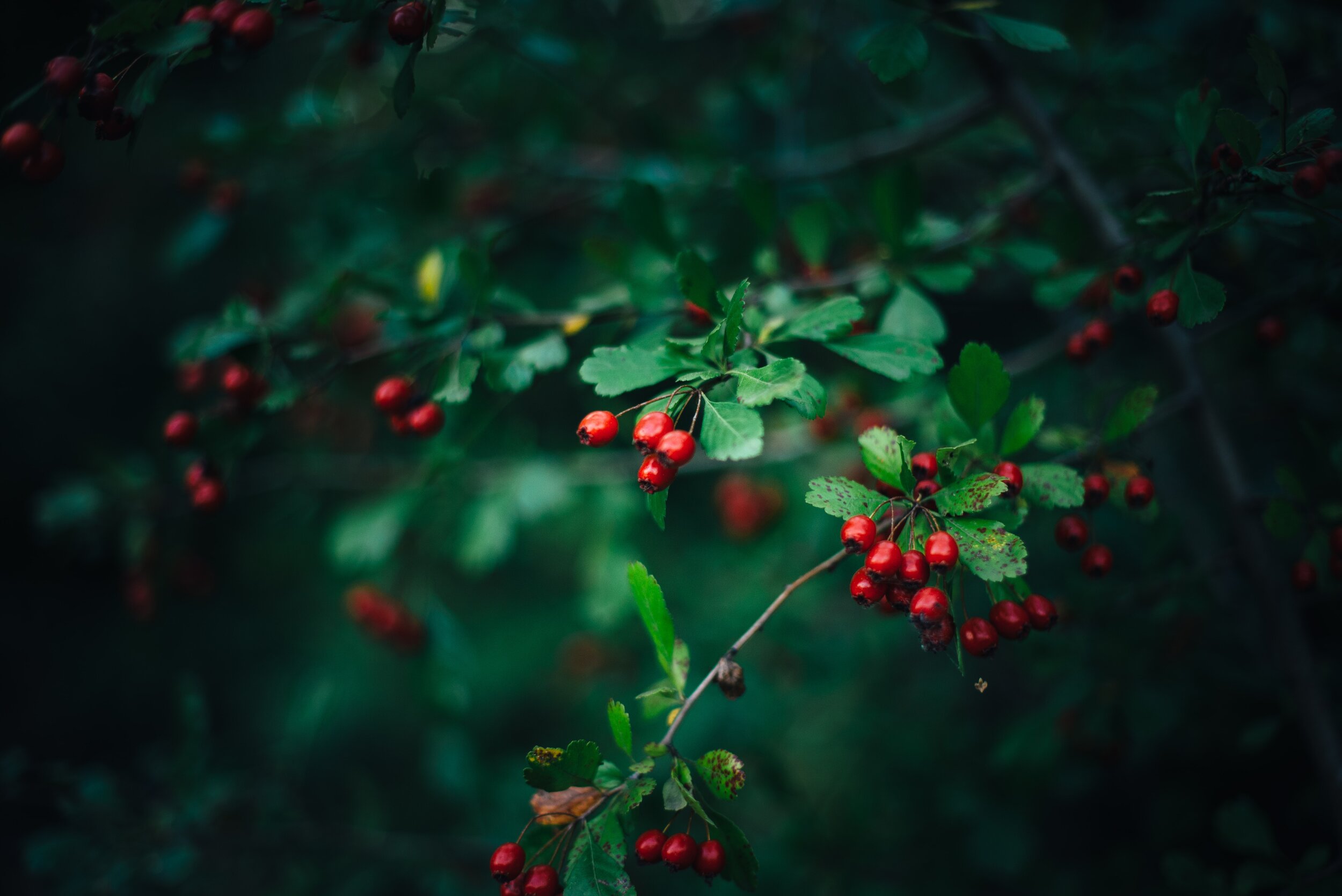
image via @outimarjaana

image via @outimarjaana

They relieve tension headaches and melancholic states that might occur before and during menstruation and also help to relieve menopausal symptoms as they are gently balancing to the hormonal system. High in silicon, Milky Oats are strengthening to hair, nails, teeth, and bones when used internally and externally. Deeply healing to the nervous system, Milky Oats help us to experience life through a more pleasurable filter. The herbs are great postpartum, helping support the big life transitions that happen in the fourth trimester. 

Milky Oats can help with digestion as many restorative herbs are, and especially useful when constipation is present, as they are mucilaginous and can help with the passage of stools. Oat meal can help with the regulation of blood sugar as well as assist with digestion and being an overall good choice for folks looking to increase energy.

We’ve been using Milky Oats for a long time in traditional western herbalism and I wanted to share an interesting historical description of their use. Hildegard of Bingen was a 12th century herbalist, writer, composer, and mystic amongst many other things, wrote about Oats in her book on health, Physica. Using the limiting language of the time, Hildegard describes using Oats within a sweat bath for those suffering from mental illness which has brought on feelings of emptiness and a “split mind.” Her advice is:

“But let whoever is worn out with paralysis and as a result has a split mind and empty thoughts, so that the person is somewhat insane, be in a sweat bath when the wheat in the hot water in which it has been cooked is poured over the hot stones. Let them do this often; they will return to themselves and gain sanity.” (Hildegard’s Healing Plants, 7)

Her description aligns with modern understandings of Milky Oats usefulness: it is rebalancing to the nervous system, helps in recovering energy after a period of debilitation, and is a general restorative. Would a sweat bath as Hildegard described it be useful today for supporting someone struggling with nervous exhaustion? Probably - sweat baths used to be much more common in traditional western herbalism and eclectic medicine and I support their re-emergence. A bath of Milky Oat would be useful, too. Use Milky Oats in baths or as part of an herbal oil blend to relieve itchiness (eczema, psoriasis), lessen pain, and strengthen the skin’s elasticity. Neuralgia, rheumatism, eczema, and fibromyalgia are all helped by Milky Oats.

Milky Oats can be prepared in many ways and its mild flavor make it easy to add to most blends. As I look back on my time training and working as an herbalist, it is Milky Oat which has taught me a lot about how one plant can be prepared in a multitude of ways to bring about healing. I don’t use a lot of alcohol-based remedies for myself, but I always make sure to have Milky Oat tincture around because it is so effective in helping to settle the nerves and restore a sense of peace. You can prepare Milky Oat as a standard tea infusion, but it really shines as a decoction, helping to draw out its nourishing qualities. It is great in baths (either as an infusion or grinding up oatmeal). Oatmeal is also a great topical treatment for a variety of skin complaints and I like to combine ground oatmeal with Milky Oat tea to make a healing paste. Homemade oat milk can be wonderfully healing, too. Of course, you can also get a lot of similar benefits of Milky Oat by eating Oats as oatmeal or in other baked goods. Milky Oat is a versatile plant to befriend and I hope you’re feeling inspired to welcome them into your healing practice.

Magickal uses : Milky Oats are not generally associated with the moon, but as a warming nutritive tonic that builds the blood and alleviates nervous exhaustion, I find Milky Oats to have a special affinity for the New Moon. The white milk of fresh green Oat seeds makes me think of magickal Moon milk and the herb helps us to deal with the ever-changing experiences of life, much as we learn when working with the lunar rhythms. As the New Moon calls us to begin a cycle of emergence and to slowly expand our energy after a period of waning contraction, Milky Oats are richly nutritious lending us foundational strength for the work ahead. The generous nutritive qualities of Milky Oats give us a hint to its magickal uses, which are primarily for prosperity and abundance rituals. 

image source

image source

The Oat Personality : The Milky Oat person is exhausted. Completely and utterly. They feel debilitated and lacking in energy, unable to sleep and struggling to wake. It is as if they move through a waking, blurry dream. Unable to focus for long on any one thing, Milky Oat folks struggle to determine their sense of purpose in life. Their energy seems to be flung far and wide with little to harvest in return. Even though they are exhausted they can be excessive in the way that they expend energy and fine themselves prone to regular burnout. Part of the struggle of Milky Oat folks is that they are interested and good at many things, yet fall prey to the idea of having a singular and sudden epiphany of their purpose and calling that they might even over-use drugs in an attempt to access such a “instant breakthrough.” The beauty of Milky Oat folks, though, is that they are good at so many things! Milky Oat medicine will help them learn to embrace the diversity of their passions into an interconnected melody of calling.

Contraindications : Generally regarded as safe. Be cautious with the use of oats if you have a gluten allergy.

Dosage : Standard dosage. Decoction is one of the best ways to enjoy Milky Oats. Decoct 1 tablespoon of oats per 2 cups of water for at least 15 minutes.

🌿

Milky Oat is one of my favorite herbs for eclipse season and during the summer months I like to use Oat milk it to my rainbow lattes. And if you want to explore more about the connections between plants and the Moon, here’s a good place to start.

This post was made possible through patron support.
❤︎ Thanks, friends. ❤︎
 
sign up for magick ma

We respect your privacy.

Thank you for signing up for Magick Mail! Once you have confirmed your subscription to the list you will gain access to our member's only apothecary.

2 Likes
categories / plant allies
tags / avena sativa, milky oats, plant profile, plant ally

The Healer’s Celtic Cross Tarot Spread & Plant Allies

June 27, 2021  /  Alexis J. Cunningfolk

The Healers Celtic Cross.png

As with any form of self-inquiry, the tarot helps to create space for healing to occur.

From sacred symbols with multilayered meaning to esoteric tradition and magickal practice, the tarot is abundant in possibilities for how it can be used to aid us in our own becoming and the returning home to ourselves and beloved community. I like to say that the tarot is a book of healing - it's just a matter of learning how to read it.

But where to begin our journey with tarot as a tool of healing? How about with one of the most common tarot spreads out there: The Celtic Cross. I and many tarot readers I know learned how to read the tarot with the Celtic Cross spread. This makes sense as it's the spread that's included in the little white book of one of the most popular tarot decks out there, the Rider Waite Smith Tarot (alternatively and increasingly more commonly known these days as the Waite Smith or Pamela Colman Smith tarot). The Waite Smith deck was the most easily found in bookstores and psychic shops to many of us before our current tarot publishing renaissance and so A.E. Waite's description of the Celtic Cross as the way to read the cards was foundational for many tarot readers of mine and earlier generations (you can read his full description of the Celtic Cross spread here). Published in 1911, Waite's Pictorial Key to the Tarot has been shaping the divinatory skills of tarot readers for over a century and the Celtic Cross has been in use for at least that long and probably longer. So where did it come from?

A Brief Mystery

Waite was not the originator of the Celtic Cross Spread and most likely learned it during the First Order teachings of the Hermetic Order of the Golden Dawn, of which he was a member. I've seen it suggested that he based his work off of that of Florence Farr (here's a good short summary about her). In fact, Farr and Smith knew each other, with Smith designing scenes for a play by William Butler Yeats at the request of Farr. I've not seen an official Golden Dawn document (or letters between members) confirming Farr's creation and original teachings of the Celtic Cross spread, but a) it would match up with what is known about her and b) the Golden Dawn is not my area of expertise so the resources may be out there I've just not come across them yet. I've also thought that it would not be too much of a stretch to imagine that Moina Mathers may have had some role in the spread's creation. (1)

I get the sense with the tarot training in the Golden Dawn that if you could handle the complexities of the Celtic Cross you could progress to the very complicated (but so worth learning) Opening of the Key. Or someone in the Golden Dawn was frustrated with the overly complicated (and sometimes, let's be honest, not useful) Opening of the Key and created a much more convenient spread. 

After I wrote that last sentence I found a new resource - Secrets of the Celtic Cross by Marcus Katz and Tali Goodwin - that has some incredible research and discoveries in it pointing towards another Golden Dawn Member, F.L. Goodwin, as a possible source (or at least earlier transcriber than Waite) of the Celtic Cross spread. It's well worth the read, not only for the primary documents Katz found but the techniques for reading the Celtic Cross are really interesting, too!

With that brief look at the possible origins of the Celtic Cross, let's get into some practical work.

The Original Celtic Cross Spread

I love the Celtic Cross spread. It's not the easiest spread to learn (especially for beginners) and can be obtuse and tricky to interpret at times. And yet, for many years it was the first spread that many beginners learned. The spread requires flexibility of thinking and an ability to stretch between the inner and outer worlds of the querent. But it never feels dull or outdated to me and has provided consistently useful spreads and insights since I started casting it as a wee little witchling. If you haven’t tried learning the Celtic Cross spread yet, I recommend it.

It's also a flexible spread that can be adapted to the needs of the reader and querent with relative ease. If you look up Celtic Cross spread online you'll be met with (mostly) the same interpretations for card positions with plenty of folk's preferences and adaptations thrown in (this site does a good job exploring many of the variations you'll find). I've always read the Celtic Cross as proposed by Waite with one exception - the first card and the significator are the same card in my readings. Why? I either misread the text when first learning the spread or somewhere along the way forgot that the two should be separate cards and it just became my style of reading the spread. Also, the order that I deal the cards is different from Waite - again, I probably just mixed up the original technique along the way but this is the way that the flow of the reading makes more sense for me.

Mistakes were made and yet the magick persisted.

So here is how I cast the Celtic Cross in a typical reading. 

  • Card 1. The significator and card which represents the querent and the heart of the matter. 

  • Card 2. The primary obstacle the querent is facing.

  • Card 3. The recent past as relevant to the current situation (i.e. no further than 3 to 6 months in the past). 

  • Card 4. The near future as relevant to the current situation (i.e. no further than 3 to 6 months in the future).

  • Card 5. The best to be achieved in the current situation. 

  • Card 6. The tools the querent has at hand to face their obstacles. 

  • Card 7. Feelings about the matter. 

  • Card 8. Home and environment (including opinions of people around the querent). 

  • Card 9. Hopes and fears.

  • Card 10. Outcome.

A quick note: I follow Waite's technique for positioning the past and future cards. The position of card 5 and 6 change depending on what way the primary figure in Card 1 is facing. So if the figure in Card 1 is facing towards the right, Card 3 goes to the left of Card 1 (signifying the past is behind them) and Card 4 goes to the right (signifying the future before them). 

Now, the spread as described above (or by Waite in his original description) has amazing potential for supporting yourself or the person you are reading for on their path of healing. What I've done with my adapted spread below is to weave in extra focus around healing as well as apply some simple astrological insight to each card position. By applying astrological correspondences to the reading we can bring in corresponding herbal allies to guide us. I’ve made note of the correspondence between card positions and the Houses of the birth chart below with a more in-depth discussion on what that means and how to apply it to healing work later on.

The Temperance tarot

The Healer's Celtic Cross

Card 1. The card which represents the querent and the heart of the matter. 

This card can reveal a lot about the querent's view of themself, their situation, and what is really going on for them. It's ok if this card doesn't make sense immediately and it can be helpful to compare it to Card 10 to help it make sense (comparing the first and last card drawn in any spread can be a very useful and insightful practice). This card corresponds with the self and the filter that shapes how we are perceived by and perceive ourselves and the world (First House).

Variation: Choose the significator card purposefully as opposed to a random draw. Waite suggests choosing a significator based on correspondences between physical appearance of the querent and the court card, but choosing a significator card on appearances alone is a pretty limiting approach. Instead, you or the querent can look through the whole deck and choose a card which either looks like what their current healing concern feels like or resembles the vision they hope for themselves when it comes to feeling more whole.

Card 2. The primary obstacle the querent is facing.

This is the card that crosses the querent creating a source of difficulty, conflict or challenging energy in their life. Here we can really begin to tell a story about the ways that the dis-ease, imbalances or other health concerns that the querent has are impacting their life in a way that creates discomfort, unrest, suffering, and so on (all issues of the Sixth and Eighth House). 

Card 3. The recent past as relevant to the querent's current healing path.

Here we have a timing card which can help the querent understand some of the ways they've been affected by their healing path recently. If there is a sense that it would be helpful to explore issues further back in the past (i.e. the querent knows that this current healing crisis stems from childhood, etc) additional cards can be pulled to explore the energy of the past underlying the situation. With this card we're exploring the thread of where this healing imbalance may have originated from (Fourth House).

Card 4. The near future as relevant to the querent's current healing path.

With our second timing card it can be helpful to read the 3rd, 4th, and 10th card as their own mini spread highlighting important timing along their querent's healing path. This card can also reveal concerns that the querent may have about their future, where they might be headed, and their own personal (often rooted in philosophy and spiritual practice) opinions of what their illness says about them and what is possible moving forward (Ninth House). 

Card 5. The best to be achieved in the current situation.

This is the card which crowns the querent and highlights what might be achieved given the current circumstances.(2) Along with Card 10 we can begin to see what is possible for the querent when it comes to their healing. A challenging card here can highlight shortages of hope or a challenge with connecting with the tools shown by Card 6. The energies of this card can also be tied up to questions of worth and worthiness (Second House) and what the querent believes they have access to and a right to on their healing journey.

Card 6. The tools the querent has at hand to face their obstacles.

This is the card which serves as the foundation for the querent and the skills they can use to support their healing. Here we get to see what skills, gifts, and insights the querent has developed throughout their life so far and how they might put all of it to practical use (Tenth House). I consider this to be a really important card to help instill hope in the querent. Challenging and inverted cards here can highlight the ways that the querent has forgotten or denied their own power.

Card 7. Feelings about the matter.

The next three cards focus on the feelings of the querent. With so much going on in the spread (looking back and forwards in time, considering obstacles, finding tools and skills to use, preparing for what lies ahead), here is a card that is really important to spend some time with. This card helps us to connect with how the querent is feeling about everything that is going on - it can be a card that can help to put into words what is hidden (very Twelfth House energy) and maybe tie into larger patterns of life experience or where the querent is feeling extra sensitive or sensitized (again, Twelfth House issues). 

Card 8. Home and environment

This card is about how the querent connects to their environment (Third House) and who is in it (Eleventh House), including the opinions of people about the querent. Are they feeling supported or challenged in the places that they spend a great deal of time (home, work, school, etc)? Are they feeling supported or challenged by the people in these spaces? Often a particular person or place is being illuminated with this card but sometimes it can be more general such as feeling overwhelmed working in customer service and that the querent may need a less people-oriented position at work for their own wellbeing. 

Card 9. Hopes and fears.

This card highlights the intertwined feeling of what the querent hopes for in their given situation and what they fear. An example is that the qurerent might be hoping for healing but fear that feeling better is impossible to attain. We are looking for this important intersection of feeling which highlights what the querent desires and hopes to achieve (Fifth House) alongside the energies of how we are shaped by the actions of others, especially in close relationships, that are beyond our control (Seventh House). It can be very useful to read Card 7 and Card 9 side by side as they are often conversing with one another in the spread and in the querent's life.

Card 10. Outcome.

This card reflects on how much there is resonance between what the querent hopes for and is capable of imagining for themselves. By referring to the querent's capacity for imagining what is possible for themselves I'm not trying to do some sort of backhanded insult that they haven't achieved the right “mindset” for health. Health and wellness and healing is not something earned or manifested through sheer individual willpower alone. Healing and wellbeing is a process of being able to access and receive good care, rest, and a safe place to heal all while being supported by the community along the way. By imagining wellness for ourselves we are not trying to manifest a cure, but create an emotional landscape that helps someone to feel hope and joy, loved and held, no matter the circumstances they find themselves in (all First House issues of self-worth and love).

the celtic cross tarot spread

The Houses + Plant Allies

If there are one or more cards that stand out as particularly challenging, you can begin to explore different ways to support someone by exploring the corresponding astrological area of their life. In addition to untangling challenging energy, you can also support the corresponding astrological areas of the querent's life that are really beneficial and nourishing in order to bring more of that energy onto their healing path. I don’t recommend trying to find an herbal ally to work with for every card cast (that’s a lot!) but instead to practice discernment to find clarity and focus on the one to three herbal allies that might best support the querent.

I've given some very general herbal recommendations based on the astrological correspondence each card position and zodiacal house correspondence, but of course, you need to consult your materia medicas and work with an herbalist for the best recommendations for your needs.

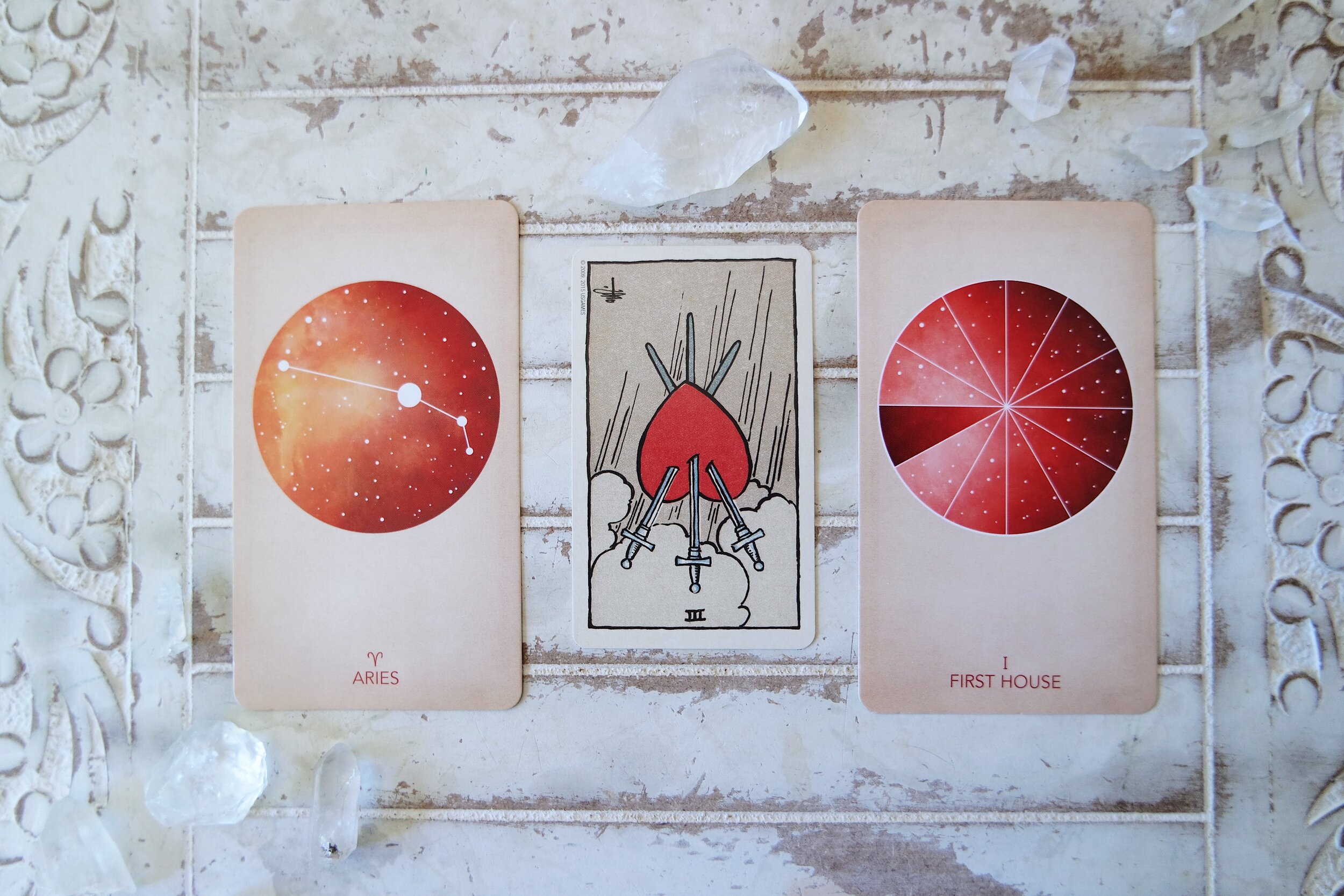
Card 1. First House + the Sign of Aries 

The significator and heart of the matter. 

How we instinctually act including our instincts of self-expression, to mask, and the ways that we act and are acted upon (i.e. things like microaggressions to micro-kindnesses that aren't thought out ahead of time, but arise swiftly in the moment). Nutrient rich herbs like Nettles (Urtica dioica) can be a good choice for supporting our First House needs which correspond to the ways that we take care of ourselves on a daily basis. I like incorporating Nettles into daily wellness practices because it has so many bioavailable vitamins and minerals and is gentle enough to use daily supporting the practical nature of the First House to take care of ourselves in a consistent manner.

Card 2. Sixth House + the Sign of Virgo and Eighth House + the Sign of Scorpio

The primary obstacle the querent is facing.

While the obstacles they are facing may show up in multiple areas of their life, astrologically we're looking at the Sixth House of Health, guarded by Virgo, and the Eighth House of Healing Crises and Transformation, guarded by Scorpio. Both houses and signs help us to recognize and embrace our mortality and how we perceive ourselves and filter consciousness through our physical form. Heart tonics that help us to deal with the highs and lows of living as well as create space for us to recognize our own resilience can be really useful here. Hawthorn (Crataegus monogyna) comes to mind as both embodying the deep thorn magick of Scorpio as well as the heart-opening healer's magick of Virgo.

Card 3. Fourth House + the Sign of Cancer.

The recent past as relevant to the current situation.

There are a few paths one can take to find an herbal ally of the Fourth House. Since we are dealing with the past, memory, ancestral heritage, and childhood we can reach for herbs related to any of those areas. So, perhaps the querent was served comforting cups of Chamomile (Matricaria recutita) tea as a child and to bring that herb back into their practice may be very healing or there is an ancestral herb that is asking to work with the querent. I actually like Chamomile for Fourth House issues as it is such a friendly herb and is often in traditional western herbalism, one of the first herbs that a child will receive as a remedy. It is also a wonderfully Cancerian herb that helps soothe upset stomachs and calms the nervous system after a period of emotional upheaval. The herb also has a wonderful quality of helping bring us back to the present moment, putting everything in perspective. It can also be really helpful to  focus on comfort (including the comfort of herbs that taste good to the querent) and healing parenting for Fourth House plant allies.

Card 4. Ninth House + the Sign of Sagittarius

The near future as relevant to the current situation.

The first approach to take with an emphasis on this part of the reading is focusing on remedies that practice good preventative medicine. So, if the querent is dealing with a lot of stress which looks like it is aggravating their current healing challenges, then focusing on consistent stress-reducing remedies and practices in the querent's life. Another approach is to work with the philosophical, wisdom nurturing aspects of Sagittarius that help us to adapt to whatever may come. Sage (Salvia officinalis) can be a wonderful ally in this respect, especially if the querent is feeling like their future has been altered in unwanted and irrevocable ways due to their illness or health challenge. 

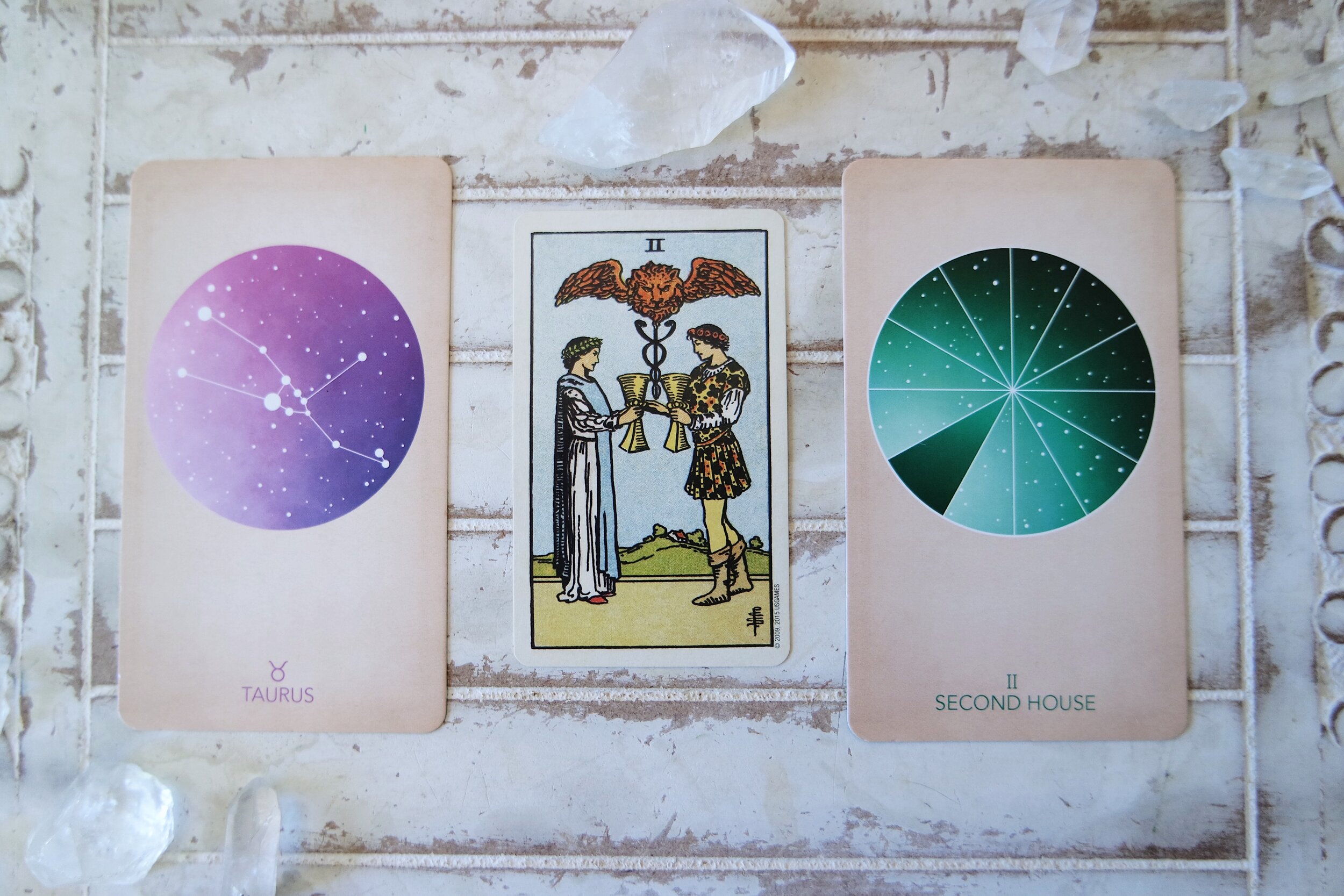
Card 5. Second House + the Sign of Taurus

The best to be achieved in the current situation.

When it comes to exploring issues of achievement alongside self-worth and what makes us worthy of healing (which can be answered through exploring cultural narratives as well as our own internalized beliefs of worthiness, but however you get there, the answer is that we're all deserving of our healing), my absolute favorite plant ally is Rose (Rosa spp.). Rose is a Taurus plant and one of our most ancient plant allies, helping us to explore our own inner mysteries while supporting rejuvenative health. Whatever plant ally you choose to work with for issues emphasized by Card 5 in the spread, I encourage you to choose an herb that is restorative in nature, having a broad spectrum of healing qualities that help bring the body back into balance.

Card 6. Tenth House + the Sign of Capricorn

The tools the querent has at hand to face their obstacles.

When there are Tenth House issues, there is a call to work with structures and systems in the querent’s life. This can be from supporting the structural integrity of the body through bodywork and herbs like Mullein (Verbascum thapsus), which support bone and muscle health. In general, mineral rich herbs are very helpful. It can also arrive in the form of examining how the querent structures their day, their work or school schedule, and their life in general and how in alignment with their healing desires it is. Capricorn and the Tenth House can be really practical when it comes to healing work but don't forget that we're working with the energy of the goatfish - what is practical for one person can seem impractical and strange to another. It is about discovering the systems that work best for the querent not for what the querent thinks others will approve or disapprove of. 

Card 7. Twelfth House + the Sign of Pisces

Feelings about the matter.

When it comes to formulating a remedy or working with plant allies, this card can help to keep the heart and the feeling self in focus. You might support the actions of clearing out old energy practices, and beliefs in order to cultivate regenerative energy. These are deeply personal sorts of plant allies that are going to change from querent to querent. One of my favorite Pisces herbs that has widespread healing qualities and can be useful for many folks is Milky Oat (Avena sativa). One of the ways that we can begin to feel our feelings is to support our nervous system and Milky Oat is food for the nervous system and the soul. It helps to create a feeling of safety within and around the body, which is ideal when it comes to being able to open up about what you’re feeling.

Card 8. Third House + the Sign of Gemini and Eleventh House + the Sign of Aquarius

Home and environment.

Here we can work with plant allies that are more about shifting the energies of the home environment including herbal incense, floor washes, and room sprays. Plants with strong and beautiful scents (i.e. full of volatile oils) like Lavender (Lavandula officinalis) and Peppermint (Mentha piperita) can be great to work with. I also like plants that help to set appropriate boundaries both in our homes and interpersonally (something that Gemini and Aquarius as Air signs can be skilled at).

Card 9. Fifth House + the Sign of Leo and Seventh House + the Sign of Libra.

Hopes and fears.

With Card 9 energies we are working with the heart - how we find our bravery (Leo) and our harmony (Libra) all while overcoming our fears. Heart tonics, heart openers, heart guardians are all beautiful allies to work with here. I've already mentioned Rose (Rosa spp.) and Hawthorn (Crataegus monogyna) which are two wonderful heart herbs. Lemon Balm (Melissa officinalis) and Damiana (Turnera diffusa) can be great allies, too, as the former helps to harmonize the querent in relation to the collective and their own needs, while the latter can be a really beautiful ally in knowing love through physical pleasure.

Card 10. First House + the Sign of Aries

Outcome.

Refer to Card 1 for suggestions as the first and final card of the spread are deeply connected. No matter where the querent is headed, how they care for themselves day-to-day is foundational to wellness.

the celtic cross spread

In Practice

Here's an abbreviated recap of how I read a recent casting of the Healer's Celtic Cross (you can see a picture of the full spread at the beginning of the post). The querent was struggling with a chronic inflammatory condition that was turning into burnout after an extended period of trying to hide from friends and family (and themselves to a degree) how serious of an impairment their condition was in letting them live their life. In the reading all but one of the cards was inverted which reflected how the querent was feeling - stuck with a chronic inflammatory condition that was invisible to the world and often left them isolated in pain. This trapped heat which isolated them was reflected in the many cards, but especially all of the Wands that showed up inverted.

Right away it was clear that the pendulum of the querent's thinking and feeling had swung far into the territory of feeling unworthy of healing, unseen by their friends and family and that they believed that this was only going to get worse (Three of Cups inverted), and they felt stuck on what to do next (Two of Pentacles inverted) unable to see any options available to them as they were lacking creative vision (all of the inverted Wand cards). Fortunately, hope was present in a few areas of the spread which is what we focused on when seeking out herbal allies.

The two primary cards that offered insight into a way forward featured water - the Two of Cups (Card 5) and Temperance (Card 2). Temperance was both the obstacle and much needed as the querent was struggling to find a balance in their feelings about their current situation and their need for community. They admitted that it was easier to feed the belief that being isolated was their fate instead of being more vulnerable about the accommodations and considerations they needed from their family and friends. It sounded like they did have folks who would be all too willing to adapt, the querent just felt a lot of shame - again that internalized hidden heat - about asking for help. The Two of Cups points directly towards reaching out to others as a path of healing, while Temperance counsels a more balanced outlook about the situation. 

Finally, the Three of Swords inverted (Card 10) is a rather hopeful card. It's the only energy of Air (besides Temperance) in the spread and pointed towards the querent speaking of their vulnerability (the broken-heartedness the querent felt about their condition) as a path back into community and a greater sense of wellness.

At this point I've also done an herbal intake of the querent and I've also looked at their birth chart to see what was happening. I don't depend on the reading alone when suggesting plant allies (though if you are using purely vibrational remedies like flower essences you certainly can). Remember, facilitating connections between plants and people is a multilayered and intersectional path.

So focusing on the three cards already discussed, we have the following guideposts to help us determine what herbal allies may be of aid for our querent: 

With Card 10 and the First House + the Sign of Aries, Nettles (Urtica dioica) felt like a very good choice. In fact, the querent had already been using Nettles as part of their anti-inflammation protocol so we talked about connecting with Nettles as a teacher through meditation and pathworking (the querent had experience with both and was interested in trying). 

With Card 5 and the Second House + the Sign of Taurus, I turned to Rose (Rosa damascena), which will bring additional anti-inflammatory properties, but will also help with the needs of the heart and opening up to feeling worthy of the love and care that the querent deserves (and that it sounds like their friends and family would be willing to give). 

With Card 2 and Sixth House + the Sign of Virgo and Eighth House + the Sign of Scorpio, it was Hawthorn (Crataegus monogyna) who spoke up as an ally. Hawthorn helps to repair broken hearts and protect the heart when opening up again to the possibilities of being loved and loving in turn. It can help to walk with some thorn magick when one is feeling vulnerable and needs support in turning that vulnerability into an opportunity for healing.

As you can see, using the Healer's Celtic Cross is an interesting and hopefully useful way to help connect folks with their own healing potential, a bit of hope, and the beauty of our plant allies. There can be even more depth to the reading if you know how to read the birth chart and can follow the paths that the cards cast are leading the querent in their own natal constellation of planets and stars. For those familiar with the astrological correspondences of tarot you can add another layer to the reading by exploring the astrological correspondences of each card cast as compared to the houses I suggest for each card position. If you like it complex, make it complex! There’s a lot of way to make the Healer’s Celtic Cross work for you and your community and I hope you get creative with it.

✨

You can download a printable copy of this post and access many other resources exclusive to my subscribers by signing up for Magick Mail (it’s free!).

If you’re looking for more tarot inspiration, check out my tarot + divination section. I also teach a course on the intersections of tarot and herbal healing if you’re ready for a deeper dive. If you want to learn more about plants and astrology, come this way.

I really love the traditional Celtic Cross tarot spread - it shaped me as a tarot reader and has remained a reliable tool in my practice for many decades. My variation focused on healing is a way to celebrate the versatility of this spread, honoring those who first envisioned it, and hopefully inspiring readers to come up with ways to expand their practice and be of compassionate service to those they are reading for.

And maybe, someone years from now will be casting the Healer's Celtic Cross on their table, but in a slightly different way because they couldn't quite remember what order the cards were meant to be in and came up with something fantastically all their own.

May the magick persist no matter its path.

Signature Summer 2019.png

This post was made possible through patron support.
❤︎ Thanks, friends. ❤︎

🌿

Footnotes

Decks used: Smith-Waite Centennial Tarot Deck (in a tin version) and The Arcana of Astrology Oracle.

(1) If you want to learn more about the women of the Golden Dawn I recommend checking out tarot reader, teacher, and scholar extraordinaire, Mary K. Greer’s book Women of the Golden Dawn: Rebels and Priestesses.

(2) Directionally in the tradition that the Celtic Cross was born from, the place above us and the crown represented the gateways to accessing the holiest parts of ourselves, often connected to angelic energy. Holiness is multidirectional in my own practice and in many feminist Pagan traditions which are reclaiming the holiness of the deep below. It can help to imagine this card like a star or lantern raised above the head which illuminates all of our energy bodies as well as the path around us - it helps us to see what needs to be seen.

 
MagickMailAd 2019 hag.png

We respect your privacy.

Thank you for signing up for Magick Mail! Once you have confirmed your subscription to the list you will gain access to our member's only apothecary.

0 Likes
categories / astroherbology, tarot + divination
tags / celtic cross tarot spread, tarot, tarot apothecary, rider waite smith, waite smith tarot, arcana of astrology, zodiac, astroherbalism, astroherbology, nettles, rose, milky oats, milky oat, peppermint, lemon balm, damiana, hawthorn, mullein, sage, chamomile

Finding Your Moon Sign in Your Birth Chart

June 18, 2021  /  Alexis J. Cunningfolk

finding your moon sign

When I learned what my Moon sign and how to find it in my birth chart it was an unexpected act of transformative magick. While I had been observing lunar cycles for years at that point, I was intimidated by how complex birth charts looked like, so I avoided diving into my own. I realized through a bit of study and practice that the birth chart is far less mysterious and complicated than it appears.

What I hope to do with this tutorial is demystify the process of finding the Moon in your birth chart so that you can begin to connect with your lunar flow in even more insightful and powerful ways. For the Moon represents the ways that we channel the vastness of consciousness into our life, how we are shaped by our most true yearnings and desires, and ultimately, helping us find our way back to the inner place that we call home. It’s powerful stuff, so let’s dive in.

Generating Your Birth Chart

Finding your Moon sign (also known as your birth Moon sign or natal Moon) is an essential part of your lunar journey. Use one of the free resources listed below to get your birth chart - my favorite site to do this on is Astrodienst at astro.com. Another option for calculating your chart is Chani Nicholas' beautiful chart generator. It is a great teaching tool for those of you super new to looking at and reading birth charts and works well with her book You Were Born for This: Astrology for Radical Self-Acceptance (which I highly recommend). If you have the resources to, I also recommend printing out a copy of your birth chart and writing all over it as you learn more about what it means and who you are as reflected back to you by planet and star.

image via @anniespratt

image via @anniespratt

Finding The Moon in Your Birth Chart

First let's start with a quick definition. The Natal Moon is the position of the Moon (including its Sign, House, and Lunar Mansion) at the time of your birth. Your Natal Moon is what we are referring to when we talk about your Moon Sign. Your natal Moon (and all of the positions of the planets and other celestial players in your chart) will never change throughout your lifetime. If you were born under a New Moon in Aquarius, you will always have the New Moon in Aquarius as your Natal Moon. This tutorial is all about helping you find your Natal Moon and its position in your birth chart.

So, once you've generated your free birth chart, you can find your natal Moon by looking for the crescent moon symbol - ☾ - on your chart. Below I have highlighted the two places on a free chart from astro.com that information about your Moon sign will show up. On our sample chart, our friend's natal Moon is in the sign of Capricorn. In other words, our friend's Moon sign is Capricorn. You can see the glyph of the Moon - ☾ - located in the sign of Capricorn and numbers next to the glyph which are the exact degrees (i.e. position) of the Moon in that sign. These degrees are also listed below the birth chart along with the degrees of the other celestial players in the chart - I've highlighted its location with an orange box and arrow.

For our sample chart, the natal Moon is located at 19° (degrees) 39' (hours) and 46" (minutes) Capricorn. You'll also see this written as 19 Capricorn 39'46" or 19°39'46" Capricorn in various astrological texts and apps. Most of the time, unless one is making very precise astrological calculations beyond the scope of this course, you only need to know the degree and hour numbers of a sign (i.e.19°39' Capricorn). Knowing the degrees of your Moon sign will help you calculate the position of your natal Mansion of the Moon - but more on that in a minute.

Finding Your Moon Phase

The simplest way to find your Moon phase is to use an online Moon phase calculator such as Moonpage or Chani Nicholas' birth chart generator. You can calculate your Moon phase with an ephemeris and math, but that type of manual astrological technique is harder and harder to find in books these days. The one book in my collection that teaches this technique is Phases of the Moon: A Guide to Evolving Human Nature by Marilyn Busteed and Dorothy Wergin in case you want to learn it.

Whole Signs House System

You'll see that I use whole signs for my house method. If you have a preferred house method for your charts, please use what you are comfortable with. If you don't have a preference, I recommend using whole signs. The whole signs system for measuring houses is one of the most ancient and the style that many of our traditional western astrology ancestors used. I find it to be very accurate and easy to read for beginners and advanced students of astrology alike.

To select whole signs for your birth chart on astro.com, go to the "My Astro" section and click on your name to generate your chart. You'll be taken to a page where you can select the type of chart you want - choose the "Extended Chart" option. Scroll down and you'll see a section labeled "Options for Zodiac and Houses" - use the drop down menu to select "whole signs." Once you do that you can click the "show the chart" button to generate your whole signs chart.

The House Your Moon Is In

You'll notice that the circle of the birth chart is divided into 12 sections (and if you are using the whole signs house system this will be 12 equal sections). Towards the center of the chart you'll see numbers 1 through 12 marking each of the twelve Houses. The Houses always start with the First at the left hand side of the chart and then move in a counter-clockwise direction through the other eleven.

Looking at the sample chart above, we can also see that our friend's natal Moon falls in the 11th House. You can see the number 11 in the center of the chart. The Houses coordinate to different areas of our life - come this way to learn more about the Houses as places of healing rest. 

The Mansions of the Moon

Don't worry if you've never heard about the Mansions of the Moon before - while it is an ancient form of astrology it's not used much within modern astrological practice. The Mansions of the Moon (also known as Lunar Mansions) add another layer of auspicious timing to works of magick and self-discovery.  We explore the Mansions of the Moon in my course, The Lunar Apothecary, but if you search around there are a few books and websites on the subject that can get you started on learning more (I've listed a few here). 

Remember how I pointed out where to find the degrees of your natal Moon? We'll use those degrees now to figure out which Mansion of the Moon your natal Moon was in at the time of your birth. If you look at the list below you'll see that each Mansion is defined by an area of degrees between one to two signs. So the boundaries of the 1st Mansion is from 0°00' Aries to 12°51' Aries. If the degrees of your natal Moon is on or between the degrees of 0°00' Aries to 12°51' Aries then your natal Mansion is the First Mansion. 

Using our sample chart, we can determine that our friend's natal Moon - 19°39' Capricorn - is located in the 23rd Mansion.

  • 1st Mansion - 0°00' Aries to 12°51' Aries

  • 2nd Mansion - 12°51' Aries to 25°42' Aries

  • 3rd Mansion - 25°42' Aries to 8°34' Taurus

  • 4th Mansion: 8°34' Taurus to 21°25' Taurus

  • 5th Mansion: 21°25' Taurus to 4°17' Gemini

  • 6th Mansion: 4°17' Gemini to 17°8' Gemini

  • 7th Mansion: 17°8' Gemini to 0°0' Cancer

  • 8th Mansion: 0°0' Cancer to 15°51' Cancer

  • 9th Mansion: 12°51' Cancer to 25°42' Cancer

  • 10th Mansion: 25°42' Cancer to 8°34' Leo

  • 11th Mansion: 8°34 Leo to 21°25' Leo

  • 12th Mansion: 21°25' Leo to 4°17' Virgo

  • 13th Mansion: 4°17' Virgo to 17°8' Virgo

  • 14th Mansion: 17°8' Virgo to 0°0' Libra

  • 15th Mansion: 0°0' Libra to 12°51' Libra

  • 16th Mansion: 12°51' Libra to 25°42' Libra

  • 17th Mansion: 25°42' Libra to 8°34' Scorpio

  • 18th Mansion: 8°34' Scorpio to 21°25' Scorpio

  • 19th Mansion: 21°25' Scorpio to 4°17' Sagittarius

  • 20th Mansion: 4°17' Sagittarius to 17°8' Sagittarius

  • 21st Mansion: 17°8' Sagittarius to 0°0' Capricorn

  • 22nd Mansion: 0°0' Capricorn to 12°51' Capricorn

  • 23rd Mansion: 12°51' Capricorn to 25°42' Capricorn

  • 24th Mansion: 25°42' Capricorn to 8°34' Aquarius

  • 25th Mansion: 8°34' Aquarius to 21°25' Aquarius

  • 26th Mansion: 21°25' Aquarius to 4°17' Pisces

  • 27th Mansion: 4°17' Pisces to 17°8' Pisces

  • 28th Mansion: 17°8' Pisces to 0°0' Aries

And that's it! You now know your natal Moon Sign, House, and Mansion.

image via @anniespratt

image via @anniespratt

Knowing Your Moon

When you learn your Moon sign you can start to read about the ways that your inner Moon shapes the world you live in, the way that you feel at home, and your truest, often hidden, desires. When I say "desires" I am thinking of that which we yearn for most. Very few folks in our lives get to meet our lunar selves as it is such a personal and intimate part of who we are as opposed to our more outward facing Ascendant or Rising Sign and Sun Sign. Our Moon teaches us how we observe, participate in, and perceive our own consciousness - it's a big deal in the birth chart and how we are shaped as individuals. 

When you know your Moon sign, you can begin to learn more about the healing gifts of each sign of the zodiac. You can also practice the profound magick that is your monthly lunar return. By knowing your natal Lunar Mansion, you can engage with your shadows for healing and clarity. Of course, those are only just a few ways that learning about the Moon in your birth chart can be of use to you and your practice of healing and magick. I wrote a whole course of study centered on lunar herbalism and magick as a pathway to helping folks discover their unique gifts as a healer because the observation of the Moon in my life has been so profoundly useful. I hope you find it useful, too!

🌙

Wherever your journeys with the Moon takes you, may the path be filled with the sort of insights and tenderness that come from looking into the darkness and finding how holy it is and how sacred we are.

Signature Summer 2019.png

This post was made possible through patron support.
❤︎ Thanks, friends. ❤︎
 
magick mail logo

We respect your privacy.

Thank you!
1 Likes
categories / astroherbology
tags / mansions of the moon, moon wisdom, moon magick, moon, birth chart, astrology, moon sign

Seeding: Waning Quarter Moon Ritual & Healing Practices

June 05, 2021  /  Alexis J. Cunningfolk

After the first round of intense heat, many of the grasses, the salad greens and sweet peas, and some of the herbs growing on the land I live with have gone to seed. I live in a place of multiple growing seasons each cycle of the year, so this cycle of seeding will happen a few times yet. This cycle, I'm learning how to collect seeds - it's an incredible sensation to be able to hold a small seed in your hand, knowing that it contains the possibilities of a new plant within it, and the possibilities of who it'll feed, help heal, bring beauty to the body and all the senses.

These periods of seeding are times that fall both backwards and forwards. There is the plant and flower which has died back, fallen to the earth, and revealed the forward momentum of a seed ready to find earth. Sometimes that finding of earth to grow in takes time - sometimes seeds are digested and eliminated from the bodies of people and animals, sometimes they are carried on the wind, sometimes they take a nap in a carefully folded seed packet passed from one gardener to another. All of this ties into the energy of the Waning Quarter Moon, sacred pause that allows us time to reassess where we've been, where we currently are, and where we might be going, after the climatic height of the Full Moon.

Like with the Waxing Quarter Moon, the Waning Quarter Moon is a time of balance. As the Moon is growing towards darkness, marking the midpoint between the Full and New Moon, the Waning Quarter Moon offers us a time to shed, fall back, and sort out which seeds we're interested in planting, if not just quite yet. Change, reassessment, release, balance, and decluttering are all key energies of the Waning Quarter Moon.

image via @ao_space

image via @ao_space

Herbal Traditions

In Traditional Western Herbalism the New Moon is considered a time of cold and moist herbs. If we were to think of the Moon phase as a cycle of building a sacred structure, the Waning Quarter Moon is a time for redesign and reworking of a temple space after it has been lived in for a while, bringing back the cool damp of malleability to reshape a space. For my garden minded friends, the energy of the Waning Quarter Moon is of the compost, already spread in the garden, ready to receive water and new seeds.

As I've shared throughout this series, there are so many ways to approach the meaning of the different phases of the lunar cycle and what follows is my interpretation through the lens of Traditional Western Herbalism and magickal practice. I encourage you to be guided by your own intuitions, spiritual practices, and cultural stories. For me, plants that have gone to seed and are in that phase of focused tension between having died back and letting loose their seeds to the earth embody the energy of the Waning Quarter Moon. I enjoy working with plant allies that help me to figure out where to draw my focus in and down as opposed to expanding outwards and up. Herbs that help me to relax, sleep deep, and digest experiences (from food to emotions to information) are all ones that I reach for. As mentioned in my Waxing Quarter Moon post, sometimes I like to use the aboveground parts of a plant during the Waxing cycle and the below ground as well as barks and seeds of a plant during the Waning cycle.

Examples of Waning Quarter Moon Herbs: Aloe Vera (Aloe vera), Borage (Borago officinalis), Dandelion Root (Taraxacum officinale), Elder (Sambucus nigra), Fennel (Foeniculum vulgare), Hawthorn (Crataegus monogyna), Lavender (Lavandula officinalis), Mullein (Verbascum thapsus), Passionflower (Passiflora incarnata), Willow (Salix alba).

Hawthorn (Crataegus monogyna)

I was first introduced to Hawthorn through the work of herbalist Deb Soule of Avena Botanicals (in fact learning that I could even be a professional herbalist happened because a friend in college handed me a copy of Deb's herbal catalogue - I read it through many, many times, completely enchanted). One of the remedies she offered was for the broken-hearted featuring Hawthorn as a primary ingredient. A few years later, remembering Deb's remedy, I blended together a couple of herbs I had stored in my dorm room, Hawthorn included, into an incredibly bitter tea for a friend who had shown up crying and heartbroken from their break-up. She drank it in stride (brave, sorrowful soul) and I began my journey with Hawthorn as a teacher (who would teach me that bitter times doesn't always call for bitter medicine). 

Hawthorn is a deeply prized cardiotonic herb in Traditional Western Herbalism. The herb is a cardiac trophorestorative which is a restorative tonic for the heart, bringing the hard working muscle back into balance whether from an illness, stress, or the effects of aging. As a powerful but gentle herb, Hawthorn can be used for children, seniors, and all between. Part of Hawthorn’s heart healing gifts is its possession of antioxidants which prevent and reverse damage caused by free radicals as well as reducing oxidative stress on the capillary walls and improving circulatory tone (whether by relaxing or strengthening). It's an herb best used over the long-term and integrated into your daily life.

I like working with Hawthorn during the Waning Quarter Moons to help reflect on the ways that grief and loss has shaped me. This can be the small griefs of temporary separation from loved ones or the unexpected change in plans (like not getting into the program you wanted or missing out on an adventure with friends) to the long and enduring griefs of losing a loved one. Hawthorn helps us to swing between what was and what shall be as we deal with the grief of what is. This magick arises from Hawthorn's power as an herb of the hedge and the hinge. The hedge refers to its use both as a thorny bush marking land boundaries but also as the hedge marking the space between our world and other worlds (traditionally that of the Good Folk and Land Spirits), between one possibility and another. As a hinge herb, Hawthorn assists the "doors" between the chambers of the heart helping to regulate and improve myocardial function. But since herbs work on multiple levels of experience, Hawthorn also "acts as guardian of the hinge, hawthorn wisely discerns the right timing for the wounded heart to open" as noted by Judith Berger in Herbal Rituals.

I write more about Hawthorn within the context of thorn magick. It's an herb that I use in my practice often from breathwork to eclipse season, too.

Altar + Rituals

Decorate your altar with dualistic images if that calls to you or images beyond the binary and objects that evoke a sense of balance from within you. If you've built a Waxing Quarter Moon altar earlier in the cycle, you can choose to rebuild it, but reverse the location of all the objects for a bit of mirrored magick. Seek out patterns of harmony amongst the unexpected. Before you begin any ritual, take in an even number of deep and sustaining breaths. Shed any symbols, jewelry, items of clothing of who you no longer wish to be or things you no longer wish to hold onto before you reach your altar. Earth and seed planting spells, spells of ink and sigils, ice and snow magick, grounding and centering magick, and rituals that help you to slow down and focus in. As an offering, think of what you can do now that will be of great benefit to future you or your future communities from booking your first appointment for mental health services to planting the first seeds of a community garden. Learn about the sign that the Moon is in for more specific ideas and recommendations.

image via @brunoadamo

image via @brunoadamo

A Simple Waning Quarter Moon Ritual

To ground and center in your magick

For this ritual you will need one stone, preferably large and heavy but comfortable enough to lay on your belly - but it's completely ok if you only have a small stone available. This might be a stone from your garden or a sacred crystal that’s lived on your altar for a while, but be sure to invite them into the ritual before you start, honoring our stone ancestors in the process. 

Relax into a position where you can feel the edges of your body - this might be laying down before your altar or somewhere outside, covered in blankets on your bed or sitting in your comfiest chair. The purpose is to feel planted like a seed within the nurturing earth. Take up your stone and place it on your body (such as on your belly or over your heart) or hold it in a way that you are relaxed but able to feel its weight. It can also help to have a soft cloth or pillow over your eyes to aid your meditation.

Close your eyes. Take deep and relaxing breaths, allowing yourself with every in-breath to sink deeper into a state of grounded relaxation and with every out-breath releasing any tension you might be carrying. If you get distracted, that's just fine, as it is in our nature to become busier in our minds when we are trying to become quieter in our bodies. Simply call your attention back to the weight of the stone and your breath.

Begin to visualize your body growing roots into the earth below you. It can be one single taproot or multiple smaller root systems extending from your body into the earth. Spend some time reaching out to the healing dark of earth and soil.

Take a deep breath in and out, noticing a green energy stirring around you and your root systems. The earth is reaching out to you. Call up their green energy through your roots into your body. Let the earth energy pool and swirl within you. Spend some time breathing deep here, filling up with earth energy.

When you feel grounded in the energy of the earth, it is time to center. With every in-breath draw the energy of earth inward towards a single point in your body - you can choose this spot intuitively or draw the energy into the center of your body, an inch or two below your belly button. With every out-breath feel yourself releasing excess energy back into the earth.  Feel the energy coalesce into a single, vibrant place within you, humming with contentment and power.

When you feel centered, draw your attention back to the stone. Feel it's presence helping to draw you back up from the depths of your meditation. Begin to slowly move your body, stretch, and open your eyes.

Speak the following charm three times into the stone as a way to help collect the energy of the ritual so that you can easily evoke the experience of grounded centeredness again in the future:

By earth, to earth, through earth.

It is by earth we are made, to earth we are born, and through earth we come home again and again. Having completed the ritual, you can keep the stone on your altar, beside your bed or carry it on your person for extra grounding and centering magick. 

waning moon seeding tarot spread.png

A Simple Waning Quarter Moon Tarot Spread

To help you recognize your magickal gifts

Card 1 · Mirror

The Moon is a mirror reflecting back our truths. This card helps you to understand who you are as a magickally gifted and psychic person. 

Card 2 · Veil

At the Quarter Moons, the Moon draws a veil across half of Her face, retreating from view. This card helps you to understand the ways that you hide your gifts from the world. A veil can be beautifully protective and holy, so this card doesn't always suggest that you are inappropriately hiding something, but that there are certain parts of your magickal gifts and psychic abilities that you might keep secret for your own benefit. This card can also help you recognize something about yourself you are not seeing.

Card 3 · Soil

This card helps you to understand what supports or hinders your ability to grow into your gifts.

Card 4 · Seed

This card shows one way that you can grow into your gifts, perhaps sharing them with others or using them in your life in ways that you currently are not.

Card 5 · Story

The overall message of the Waning Quarter Moon in your life. If you are familiar with your birth chart and how to find the transiting Moon in your chart this card can help you to understand the message of the Waxing Quarter Moon in the context of where it lands in your chart.

I hope you enjoyed this fourth post in my series exploring simple ritual practices of the lunar phases (and thanks to my patrons who requested this series!). You can find the posts for the other phases here:

  • Waxing Quarter Moon

  • Full Moon

  • Dark Moon

  • New Moon

If you're looking for more encouraging tarot spreads, check out my tarot as your best friend spread. For spreads to help you connect with your inner wisdom (and time travel) check out my conversation spreads with your ancient and future selves. And if you want to dive deeper into the world of lunar magick, come this way.

Signature Summer 2019.png

This post was made possible through patron support.
❤︎ Thanks, friends. ❤︎
 
MagickMailAd 2019 hag.png

We respect your privacy.

Thank you for signing up for Magick Mail! Once you have confirmed your subscription to the list you will gain access to our member's only apothecary.

0 Likes
categories / astroherbology, magickal arts, tarot + divination
tags / waning quarter, moon medicine, moon, moon herbs, moon magick, waning quarter moon magick, waning quarter tarot spread, hawthorn, lunar rituals, esbats, moon phase rituals, moon phase magick, moon phases, herbs of the moon phases

Spiraling Into the Center: The Wheel of the Year & Lunar Sabbats

May 21, 2021  /  Alexis J. Cunningfolk

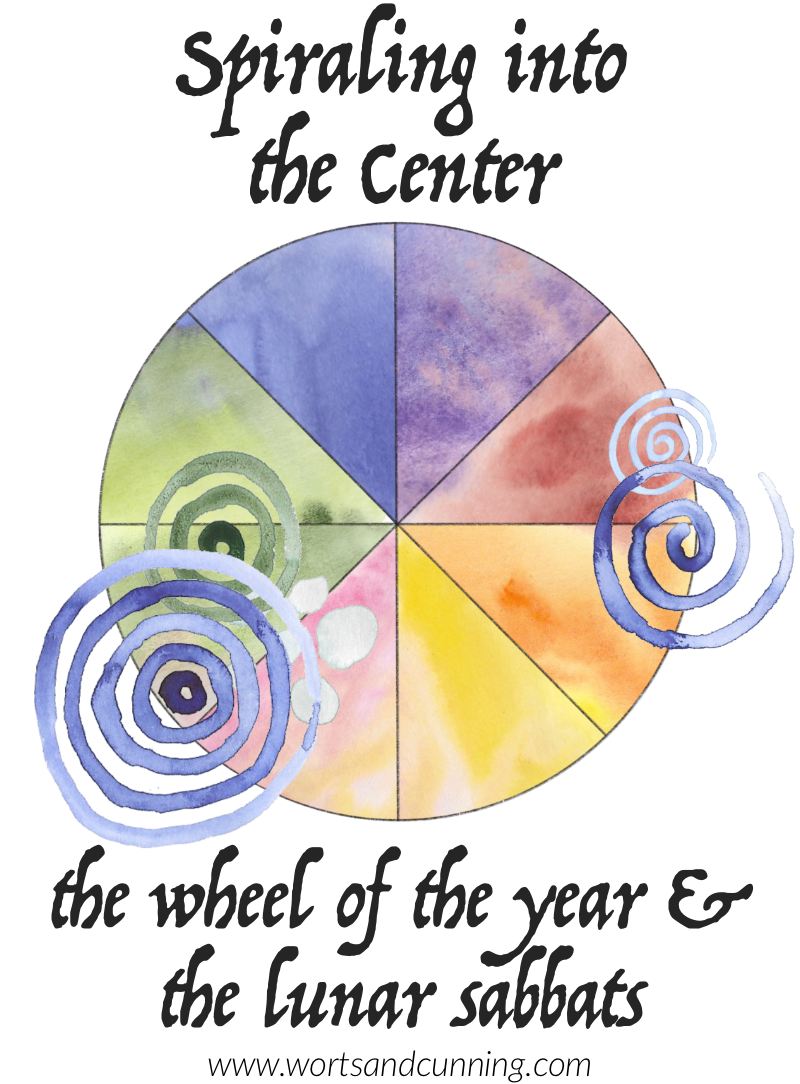
lunar sabbats

My herbal and magickal practice is deeply tied to the rhythms of the land - and that rhythm is set by the steady turning of the Wheel of the Year. The sacred turning of seasons known as the Wheel of the Year is celebrated by modern Pagans who either are Wiccans or Druids or practice a tradition derived from (at least in part) Wicca or modern Druidry. That is not to say that the festivities found within the Wheel of the Year are exclusively Wiccan or of the Druid tradition, but the structure of these celebrations within an eight Sabbat format is directly derived from Wicca and modern Druidry as we’ll learn below.

I realized that while I’ve been writing about the individual Sabbats, I hadn’t taken time yet to invite you in to learn more about the Wheel of the Year as a tradition, from its structure to ever-changing meaning to the ways that we shape it into a tradition informed by the land we live with. So in this three part series I’ll do just that!

Let’s start by diving into where the Wheel of the Year comes from and it’s structure. If you’re looking for a broader discussion on making the wheel of the year more personalized to your practice, come this way.

Where does the Wheel of the Year come from?

While there was no ancient version of a eight Sabbat Wheel of the Year, each Sabbat is based on ancient seasonal and celestial festivities for time periods important to those ancient peoples as reflected in the sacred sites left across the United Kingdom, Ireland, and Europe (such as Stonehenge) as well as the folk festivals and customs that survived from Pagan periods. The Wheel of the Year is one of the most popular modern Pagan calendars, but it is not the only one and there are lots of culturally and locationally specific calendars with additional or completely different festivals. Hellenic Pagans, for example, celebrate festivals based on ancient Greek tradition exclusive of or in addition to the Wheel of the Year.

The Wheel of the Year as we know it today is based on scholarship and modern inspiration, primarily - though not exclusively - codified in the 1950s by Gerald Gardner, the father of modern Wicca, and Ross Nichols, founder of the Order of Bards, Ovates, and Druids. Early inspiration for the structure of the Wheel of the Year came from the work of Margaret Murray, Robert Graves, and earlier Victorian magickal practitioners and folklorists. If you're wanting to learn more about the history of the Sabbats, the wikipedia page on the Wheel of the Year is pretty great with a lot of good resources in the endnotes.

Structurally, the Wheel of the Year is a made up of eight seasonal festivals, spaced roughly six weeks apart, that consist of festivals of primarily Celtic, Anglo-Saxon, and pre-Celtic British origin. The codification of the Wheel of the Year happened between Gardner and Nichols, where "popular legend holds that Gardner and Nichols developed the calendar during a naturist retreat, where Gardner argued for a celebration of the solstices and equinoxes while Nichols argued for a celebration of the four Celtic fire festivals, and combined the two ideas into a single festival cycle." (1) 

Names for the Sabbats were developed on further in the 1970s by Aidan Kelly, another early influential figure in Neopaganism, furthered named three Sabbats: Litha for the Summer Solstice, Ostara for the Spring Equinox, and Mabon for the Autumn Equinox. (2)

If you're looking for the primary resources used for the reconstruction of these Celtic, pre-Celtic and Anglo-Saxon festivities, the Celtic Reconstructionists have compiled vast resource lists. Paganachd is a good place to start with extensive guides to reconstructing Celtic traditions and what that means as well as a good reading list to start working through. I recommend enjoying the primary resource rather than getting too stuck with the gatekeeping and constant search for authenticity (which is such a complicated idea when it comes to spiritual and cultural practices) that can go on in some of the CR forums. For a deep dive into the origins of the Wheel of the Year, and just how Celtic it is or is not, as well as exploring the Coligny calendar (the oldest surviving example of a Celtic solar-lunar ritual calendar), The Celtic Calendar and the Anglo-Saxon Year by Richard Sermon is a good read.

What is the structure of the Wheel of the Year?

The eight Sabbats of the Wheel of the Year fall into two categories: The Cross Quarter Festivals and the Quarter Festivals. If you want to see additional names for each Sabbat and well as more information on how to celebrate each, be sure to click through the links for profiles on each.

Cross Quarter Festivals (aka The Fire Festivals or The Greater Sabbats):

  • Imbolc

  • Beltane

  • Lughnasadh

  • Samhain

Quarter Festivals (aka The Solstices and Equinoxes or The Lesser Sabbats):

  • Yule (Winter Solstice)

  • Ostara (Spring Equinox)

  • Litha (Summer Solstice)

  • Mabon (Autumn Equinox)

The "Quarter" is in reference to the four quarters of the year which can be measured seasonally (spring, summer, winter, and fall) and astrologically (i.e. the start of a season measured by entry into one of the four cardinal signs of the zodiac). The Quarter Sabbats mark the beginning and end of each season while the Cross Quarter Sabbats mark the height of each season. This measurement doesn't always make sense outside of specific environments (i.e. more northern climates), but for many Pagans, there is still an energetic if not obvious start, height, and end to each season that roughly aligns with the Sabbats. So, with this understanding:

  • Yule is the end of autumn, beginning of winter and Imbolc marks the height of the winter season.

  • Ostara is the end of winter, beginning of spring and Beltane marks the height of the spring season.

  • Litha is the end of spring, beginning of summer and Lughnasadh marks the height of the summer season.

  • Mabon is the end of summer, beginning of autumn and Samhain marks the height of the autumn season.

Finally, the Celtic people did mark the dark half and the bright half the year, which has influenced the way the modern Wheel of the Year is conceived. Samhain to Beltane is the dark half of the year, while Beltane to Samhain is the bright half of the year. Samhain, the beginning of the dark half of the year, marked the beginning of the year for the Celts, much as sunset marked the start of the new day. Marking the beginning of the year at Samhain is commonly celebrated by many Witch folk, myself included.

In the above graphic you might have noticed a series of eight symbols or glyphs in the center of the wheel corresponding to each of the Sabbats. I don’t know where these originated from and I have a vague memory of figuring this out years ago but haven’t been able to find my notes on the matter if I did (take good notes, kids!). I think that the Quarter Festivals were created first, followed by the Cross Quarter ones, but again that’s going on fuzzy memory at this point. If you know the origins of the Sabbat glyphs, please let me know. The glyphs may represent the following:

The Samhain Glyph: A sacred knot representing the cycle of life death and rebirth, showing the interconnectedness between the worlds.

The Yule Glyph: Winter store of food, people, embers of the fire and/or a sacred cairn or burial mound showing stylized bones and points of life (representing the hope of rebirth) within.

The Imbolc Glyph: Shows new seedlings and plants emerging from the earth after winter.

The Ostara Glyph: The young emerging Sun/Horned God. I also see this as an egg symbol cracking open.

The Beltane Glyph: The maypole! Or wheat stalk representing agricultural fields.

The Litha Glyph: The Sun at full maturity pouring light out across the land.

The Lughnasadh Glyph: Perhaps representing the setting Sun, who is now in decline at the beginning of the harvest season.

The Mabon Glyph: A stylized cornucopia overflowing with plenty, also perhaps a stylized stang.

When are the Sabbats celebrated?

The Cross Sabbats are observed on fixed dates throughout the year - through you might find discrepancies between texts on what dates they should be fixed to. Some books for example will say that Lughnasadh is on August 2 while others will say it is August 1. What's happening here is that for the Celts the start of a new day began at sunset - so the sunset of August 1 to the sunset of August 2 would be a day within a Celtic calendar. Hence, Lughnasadh can be celebrated from sundown on August 1 to sundown on August 2 or on just one of those days.

The Quarter Sabbats are celebrated at the solstices and equinoxes which are astronomical events that have slight variation from year to year. Yule, for example, might be on December 19 one year and December 21 the next year depending on when the earth's pole tilts furthest away from the Sun.

The dates for each Sabbat (Northern Hemisphere):

  • Samhain : October 31

  • Yule: On the day of the Winter Solstice usually around December 19 - 23

  • Imbolc: February 1 - 2

  • Ostara: On the day of the Spring Equinox usually around March 19 - 23

  • Beltane: May 1 - 2

  • Litha: On the day of the Summer Solstice usually around June 19 - 23

  • Lughnasadh: August 1 - 2

  • Mabon: On the day of the Autumn Equinox usually around September 19 - 23

The dates for each Sabbat (Southern Hemisphere):

  • Samhain : May 1 - 2

  • Yule: On the day of the Winter Solstice usually around June 19 - 23

  • Imbolc: August 1 - 2

  • Ostara: On the day of the Spring Equinox usually around Septmeber 19 - 23

  • Beltane: October 1 - 2

  • Litha: On the day of the Summer Solstice usually around December 19 - 23

  • Lughnasadh: February 1 - 2

  • Mabon: On the day of the Autumn Equinox usually around March 19 - 23

While the dates I just listed are the most common observational times for each Sabbat, there is also the astrological timing of each Sabbat. For the Quarter Festivals, the above and below dates align (i.e. the Winter Solstice happens when the Sun enters the sign of Capricorn at 0 degrees). It is with the Cross Quarter Sabbats that you find variation of dates. You can reference an ephemeris or your favorite astrological calendar for these dates. While celebrating the Sabbats on the above dates are most common, there are a number of Pagans, especially those with an affinity for astrological work, that celebrate the astrological dates Sabbats, too.

The astrological timing for each Sabbat (Northern Hemisphere):

  • Samhain: Sun at 15° Scorpio

  • Yule: Sun at 0° Capricorn

  • Imbolc: Sun at 15° Aquarius

  • Ostara: Sun at 0° Aries

  • Beltane: Sun at 15° Taurus

  • Litha: Sun at 0° Cancer

  • Lughnasadh: Sun at 15° Leo

  • Mabon: Sun at 0° Libra

The astrological timing for each Sabbat (Southern Hemisphere):

  • Beltane: Sun at 15° Scorpio

  • Litha: Sun at 0° Capricorn

  • Lughnasadh: Sun at 15° Aquarius

  • Mabon: Sun at 0° Aries

  • Samhain: Sun at 15° Taurus

  • Yule: Sun at 0° Cancer

  • Imbolc: Sun at 15° Leo

  • Ostara: Sun at 0° Libra

Each season of a Sabbat lasts for one and a half signs of the zodiac. So Yule lasts all 30 degrees of Capricorn and 15 degrees of Aquarius. Then Imbolc begins on 15 degrees Aquarius and moves through the last 15 degrees of Aquarius and then all thirty degrees of Pisces. And so the wheel turns and turns through all of the signs of the zodiac.

You may have noticed that the Wheel of the Year is shown moving counter-clockwise - this is to match the Wheel with the zodiac. The planets move through the zodiac in a counter-clockwise motion so the zodiac is drawn to reflect that. To match the Wheel of the Year with the zodiac it moves in a counter-clockwise motion, too.

What are the Lunar Sabbats?

I've been seeing Lunar Sabbats showing up more and more in recent years where before they were mostly known to folks who purchased We'Moons - which makes sense because it was the folks at We'Moon (according to email conversations with them) who partially developed the practice. I love celebrating Lunar Sabbats and was lucky to be introduced to them early on in my practice of shifting time away from a measurement that is capitalistic and consumption based to one that is cyclical and reverent to bodies, places, and spaces beyond commodification. I've written about Lunar Samhain before, but here is a brief summary from my personal practice of what a Lunar Sabbat is.

Lunar Sabbats are different than Esbats - a term introduced by Margaret Murray and popularized within Wiccan tradition - as the celebration of different lunar phases (primarily New and Full Moons). Esbats are another beautiful tradition and deserve their own post, but Lunar Sabbats are tied to the solar based Wheel of the Year and serve as Moon-based equivalents to the Cross Quarter Sabbats or the Fire Festivals of Imbolc, Beltane, Lughnasadh, and Samhain. Why not the Quarter Sabbats, too? Because the Quarter Sabbats, marked at the solstices and equinoxes are already celebrations of both solar and lunar movements.

Because of their origin partially within the We’Moon community, the Lunar Sabbats are tied to womxn's culture and feminist spirituality, connecting to a powerful thread of revolutionary and transformative magick. (3) For me, I love celebrating the Lunar Sabbats as a more quiet, more intense, and more personal Sabbat celebration. When I’m able to, after attending a public and community-oriented Sabbat celebration, I love being able to gather together with close witch kin for a Lunar Sabbat celebration. If the Sabbats are a bright mirror reflecting the energy of the season in our lives, the Lunar Sabbats are the black mirror of scrying, where we draw energy up from our depths and are guided by the turning of our inner compass.

The Lunar Sabbats can be measured in different ways, the simplest being the Full or New Moon closest to the solar date of a Sabbat (i.e. the New Moon closest to October 31 to mark Lunar Samhain) with New Moons for the dark half of the year (Samhain and Imbolc) and Full Moons observed for the bright half of the year (Beltane and Lughnasadh).

Then there are two different ways to measure the astrological timing to the Lunar Sabbats. The first is how the Sabbats are measured via the We'Moon calendar system.

In the Northern Hemisphere:

  • Lunar Samhain: New Moon in Scorpio

  • Lunar Imbolc: New Moon in Aquarius

  • Lunar Beltane: Full Moon in Scorpio

  • Lunar Lughnasadh: Full Moon in Aquarius

In the Southern Hemisphere:

  • Lunar Samhain: Full Moon in Scorpio

  • Lunar Imbolc: Full Moon in Aquarius

  • Lunar Beltane: New Moon in Scorpio

  • Lunar Lughnasadh: New Moon in Aquarius

The above system has a beautiful and purposeful symmetry to it. The dark half of the year at Samhain marked with a New Moon Lunar Sabbat is reflected in the bright half of the year with a Full Moon Lunar Sabbat at Beltane. The same symmetry is found at Imbolc and Lughnasadh. This is the system you’ll find in your We’Moon planner.

The second way of calculating the Lunar Sabbats is:

Northern Hemisphere:

  • Lunar Samhain: New Moon in Scorpio

  • Lunar Imbolc: New Moon in Aquarius

  • Lunar Beltane: New Moon in Taurus

  • Lunar Lughnasadh: New Moon in Leo

Southern Hemisphere:

  • Lunar Samhain: New Moon in Taurus

  • Lunar Imbolc: New Moon in Leo

  • Lunar Beltane: New Moon in Scorpio

  • Lunar Lughnasadh: New Moon in Aquarius

With this system, all four dates for the Lunar Sabbat are more directly tied to the solar astrological timing of the season (i.e. Beltane happens when the Sun is at 15° Taurus so the New Moon in Taurus becomes Lunar Beltane). Which is the better system? There’s no better system - it’s completely a matter of personal preference and whatever way gets you showing up to the work of knowing yourself and holy community. I’ll be writing about each of the Lunar Sabbats in the future, so if you want to know when those posts will be published you can sign-up for my newsletter.

wheel of the year

Is the Wheel of the Year an exclusively Celtic, pre-Celtic, Anglo-Saxon thing?

A little bit yes but mostly no. Yes, in the sense that these are seasonal festivals based on practices from these specific cultures. I think it's important and really enlightening to know the origins of the Sabbats (as much as we can) and give honor to the ancestors who helped their descendants to dream of them again. It is no small feat after centuries of forced conversion and propaganda against Pagan ways that the Wheel of the Year, a Pagan and earth-honoring system of experiencing time and toppling oppressive nature-denigrating institutions of power, is part of one of the most rapidly growing religions (at least in the United States of America). (4)

And also no, in the sense that the Wheel of the Year has grown far beyond the confines of a tiny island nation and the people like Gerald Gardner, Ross Nichols, Margaret Murray, Doreen Valiente, and Robert Graves who were attempting to revive a cultural inheritance at danger of being lost. It's important to remember that we don't know exactly how or why Celtic, pre-Celtic, and Anglo-Saxon peoples celebrated seasonal changes and even if we did have exact details of these festivities, we are not our ancestors, but their miraculous descendants who live in a different time though connected through the land, sea, and sky. In that spirit I see the Wheel of the Year as a living, breathing, and adaptable tradition, meant to be celebrated by a wide and diverse network of people committed to earth-based spiritual practice.

The beauty of the Wheel of the Year and the fact that its celebrations are rooted to seasonal changes means that it’s a framework that can be applied to any part of the world by the Pagans who live there. I think that the Wheel of the Year works for so many Pagans around the globe because of this flexibility of application and I find this vastness of shared seasonal philosophy to be beautifully unifying amongst a people who have no central leadership (with the exception of a few tradition-specific groups) or singular holy book and pride themselves on being both community-oriented and idiosyncratic.

What is the spiritual meaning of the Wheel of the Year?

That, my friends, is what we'll be exploring in our next post. 


✨

The title for this post was inspired by a beautiful Pagan chant written by Beverly Frederick, from her album Into the Arms of the Wild, which goes as follows:

Spiraling into the Center,
the Center of the Wheel.
Spiraling into the Center,
the Center of the Wheel.

We are the Weavers, we are the woven ones
We are the Dreamers, we are the Dream.
We are the Weavers, we are the woven ones
We are the Dreamers, we are the Dream.

It’s a lovely song that I’ve sung dancing around Maypoles, journeying with community between the worlds at Samhain celebrations, and in hopeful revery during the longest night of the year. I hope it brings you a lot of joy, too. It can be especially beautiful to alternate “the Center of the Wheel” with the line “the Center of us All.”

If you're wanting to dive into more inspiration about the Wheel of the Year, check out my series of might-do lists for the Sabbats. I’ll be writing two more posts on the Wheel of the Year in the coming months as well as a series on the Lunar Sabbats a little after that, too. If you’re looking for more seasonal magick and healing, check out my Witchcraft + Weeds series.

Wherever the turning wheel finds you, I hope that you’re coming ever closer to home.

Signature Summer 2019.png

This post was made possible through patron support.
❤︎ Thanks, friends. ❤︎


Footnotes

(1) The Wheel of the Year. The whole relationship between Nichols and Gardner is a really interesting and influential one in the development of modern Paganism as Nichols was a covenmate of Gardner's and he would later go on to create the Order of Bards, Ovates, and Druids (OBOD) which is a supremely lovely community of magickal folk. Phillip Carr-Gomm, former head of OBOD, and who was a student of Nichols talks more about the relationship between Gardner and Nicholas if you're wanting to learn more - I believe in a Druidcast episode. And then if you're going to read about Gardner, please read everything you can about Doreen Valiente who rescued Wicca more or less (from innumerable (mostly) menfolk who couldn't seem to see beyond their own noses and were constantly embroiled in conflict with one another), infused it with incredible Goddess-led inspiration, and she was herself by all accounts a delightful and kind weirdo (and maybe a spy for the British government!).

(2) From The Wheel of the Year: "Aidan Kelly gave names to the summer solstice (Litha) and equinox holidays (Ostara and Mabon) of Wicca in 1974, and these were popularized by Timothy Zell through his Green Egg magazine." You can read more about Kelly’s thoughts behind the choices here.

(3) To be abundantly trans-inclusive, non-binary loving, genderweird, and gender atheist affirming (a few of those ways which I identify as, just fyi): Womxn's culture is inherently trans and nonbinary inclusive, open to all of those who in some way, shape or form identify as a womxn, and are participating in the long and varied tradition of being seen in the world as womxn and shaping culture from that perspective and experience.

(4) Growth of Religion. The United States also has a growing population of “Nothing. The United States is not the only place where modern Paganism is on the rise - it’s just the place I’m most familiar with Pagan demographics. Iceland, for example, has had a rapid rise of Ásatrú, which in some ways can be seen as a re-indigenization of a population.

The watercolors that I used to paint the illustrations used throughout this post were created by Ojibwe artist, Anong Beam. Please join me in supporting her indigenous, female-led, watercolor company, Beam Paints.

 
magick mail

We respect your privacy.

Thank you for signing up for Magick Mail! Once you have confirmed your subscription to the list you will gain access to our member's only apothecary.

5 Likes
categories / astroherbology, magickal arts
tags / sabbats, wheel of the year, paganism, pagan, lunar samhain, lunar sabbats, yule, winter solstice, lammas, lughna, beltane, may day, ostara, spring equinox, summer solstice, midsummer, litha, samhain, mabon, autumn equinox, imbolc, the wheel of the year series
Newer  /  Older

© 2010 - 2025 Worts & Cunning Apothecary | All Rights Reserved | Disclaimer | Land Acknowledgement
. live your magick .