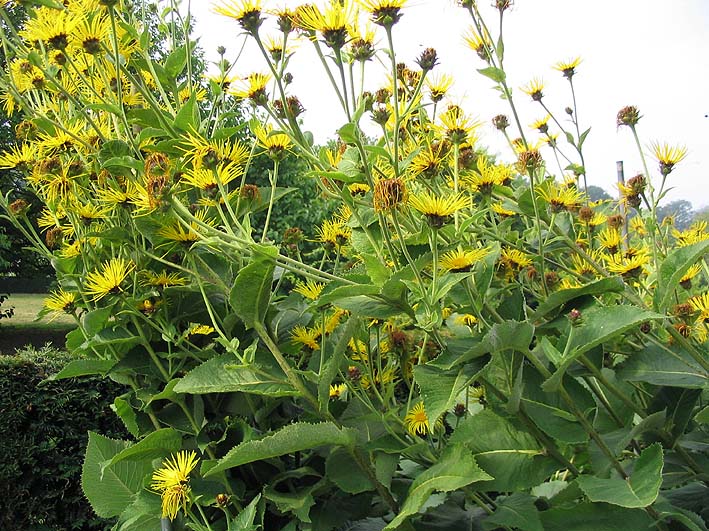
Day 8: Meet your plant ally in person.
You may have already done this, but whether or not you have, spend some time connecting with a live version of your plant ally. It can be a plant growing in a garden, in the wild or in an urban park. Spend time being still with the plant, observing its environment, and talking aloud or silently to it. You might be surprised by what the plant shares with you!
If such is not possible at the moment due to the season or accessibility, reserve this exercise for another day and spend time connecting with an image or remedy of your plant ally.
Day 9: Draw a picture of your plant ally.
One can learn a lot about a plant from drawing it because the act of drawing engages our observational skills in new ways. It doesn’t matter if you can “draw well” or not. If you can hold pen to paper you will be able to roughly sketch a plant. I encourage you to get creative and use color, adding energetic observations, and any other doodles that you find inspiring. Have fun with it!
Day 10: Study the best ways to prepare your plant ally medicinally.
How to extract plant medicines depends on the constituents of a plant and whether or not they are extracted in water, alcohol, oil, vinegar, or additional menstruums (which is a word for a solvent that is used in extracting medicinal constituents from plants). Learn what the best method of preparation is (such as an infusion versus a decoction) and whether your plant ally can be used externally, internally or both.
Day 11: Make a tea or decoction of your plant ally.
Your first medicine-making day! Depending on what you learned yesterday, create a tea infusion or decoction of your plant ally. I recommend that you do not add other herbs to the tea - simply create a one herb infusion or decoction so you can fully appreciate the taste, smell, and effect of your plant ally in your body. Pay attention to the initial taste, the aftertaste, and how the herb feels in your body. Do images, memories, or words come to mind? Spend a half hour or more in contemplation with your tea.
Day 12: Learn about your plant ally’s magickal qualities.
Some materia medicas will include a plant magickal qualities or folkloric stories, but there are also materia medicas dedicated to the magickal qualities of plants including Cunningham’s Encyclopedia of Magical Herbs by Scott Cunningham, A Compendium of Herbal Magic by Paul Beyerl, and The Complete Illustrated Encyclopedia of Magical Plants, Revised by Susan Gregg.
Whether or not you are a practitioner of magick, learning a plant’s magickal qualities and accompanying folklore can enrich not only our understanding of how our ancestors connected with the plant and the plant connected with them, but there is often insight into a plant’s medicinal qualities. Plants used in love spells, for example, are often aphrodisiacs and affect the sexual organs, libido, and/or nervous system (such as Damiana Turnera diffusa).
Day 13: Learn about the astrological correspondences of your plant ally.
You may have already discovered the astrological correspondences of your plant ally yesterday, but if not spend today learning more about them. Traditional Western Herbalism and astrology were intertwined for centuries and it has only been in recent generations that the two arts have been split apart.
A physician without a knowledge of Astrology has no right to call himself a physician. - Hippocrates
Learning the astrological correspondences of herbs further deepens our language to be able to talk about herbs and understand their healing qualities. It also helps us to understand better traditional western herbal energetics and why certain herbs have been classified in certain ways historically (and whether or not that still makes sense today). Books discussing the magickal quality of plants often has astrological correspondences list as well, but you should also check out the historical works of Nicholas Culpeper including his still in-print Herbal. You can also check out my Introduction to Astroherbology which includes additional online and offline resources.
If no astrological information exists for your plant ally, that’s ok! You can either have fun doing a little research and assign your own astrological correspondence (check out my ongoing Astroherbology series and especially my blog on the Astrological Body for insight) or maybe get in touch with your favorite medical astrologer for some guidance.
Day 14: Learn about your plant ally’s emotional qualities.
Plant medicine affects the whole spectrum of our lived experience whether physical, emotional, mental, and spiritual, because it is a holistic medicine which recognizes that all of our parts are interconnected. Just as plants have medicinally healing qualities, they have emotionally healing qualities. Books on flower essences are great places to look when researching the emotional qualities of plants as well as materia medicas which take into account the emotional symptoms of dis-ease.
My recommendation for learning a plant’s emotional qualities is to ask the plant directly. I usually enter into a light meditative state and gently ask the plant to share with me its emotional story, sometimes while ingesting plant medicine (such as a tea), but not always. Sometimes I get words, other times images, and most often I feel the response in my body. Make sure to record your experience and don’t rush to “validate” or compare it to the writings and experiences of others. I will say, though, that very often there is overlap between one person’s emotional experience of a plants and another’s.
Bonus! Create a flower essence from your plant ally. Flower essences are easy and accessible forms of herbal medicine. You can find out how to make an essence of your own here.